What Are the Benefits of Clean Power for Global Buyers?
Clean power is transforming the global energy landscape. Businesses and consumers alike are beginning to recognize its value. By adopting clean power solutions, organizations can significantly reduce their carbon footprint. This shift is not just about environmental responsibility; it leads to operational efficiencies.
Numerous studies highlight the economic advantages of clean power. Renewable sources often lead to lower energy costs in the long term. However, challenges exist. Transitioning to clean power requires upfront investments. For some, this initial cost can be a barrier. Yet, the benefits often outweigh these hurdles.
Organizations that embrace clean power can enhance their market reputation. Buyers increasingly favor companies with sustainable practices. This preference can drive customer loyalty and increase sales. Ultimately, choosing clean power fuels global progress. But, it is essential to approach this transition thoughtfully and strategically.

Understanding Clean Power: Definition and Types
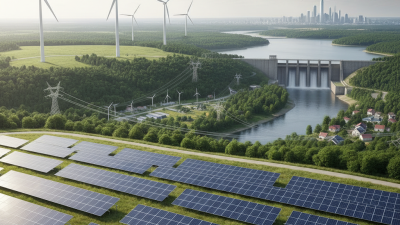
Clean power refers to energy generated from renewable sources, such as solar, wind, and hydroelectric systems. These sources produce minimal greenhouse gas emissions, making them more environmentally friendly than fossil fuels. According to the International Renewable Energy Agency (IRENA), renewable energy could provide up to 86% of global power demand by 2050. This shift could help combat climate change effectively.
There are various types of clean power. Solar energy, for example, converts sunlight directly into electricity using photovoltaic cells. Wind energy harnesses the kinetic energy from the wind through turbines. Hydropower utilizes flowing water to generate energy. As noted by the U.S. Energy Information Administration, these renewable solutions not only reduce emissions but can also lower energy costs in the long term. However, challenges remain, particularly in energy storage and grid integration.
The clean power sector is growing rapidly but is not without its concerns. Regionally, access to clean energy can vary significantly. Additionally, the transition requires substantial investment and infrastructure changes. Balancing these needs with energy demands remains a key factor for buyers. Awareness of local regulations and technology limitations can also influence decision-making.
Economic Benefits of Clean Power for Global Buyers
Clean power offers significant economic benefits for global buyers. As businesses prioritize sustainability, renewable energy sources like
wind, solar, and hydro become more appealing. These alternatives often reduce operating costs.
A shift to clean power can translate to savings on energy bills. Many countries provide incentives for companies investing in renewable energy. This makes it a financially viable option.
Moreover, using clean power enhances a company's reputation. Buyers increasingly prefer organizations that demonstrate commitment to sustainability. Companies that lead in clean energy adoption often attract more customers.
However, some businesses face challenges in transitioning. Initial investment costs can be high. There might also be regulatory hurdles to navigate. A comprehensive strategy is essential for overcoming these obstacles.
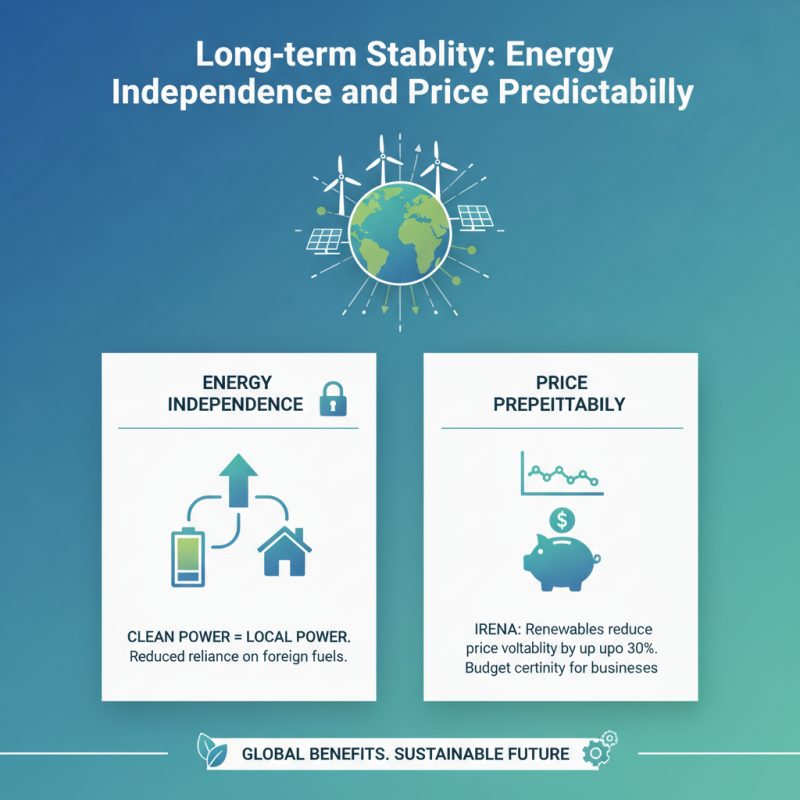
Investing in clean power helps hedge against fluctuating energy prices. The stability of renewable energy sources can provide long-term savings. However, companies must stay informed about market trends. Adapting to changing technologies can be daunting. The transition is not without its risks,
but the potential returns can be substantial. Understanding the complexities of this shift is crucial for long-term success.
Environmental Impact: Reducing Carbon Footprint with Clean Energy
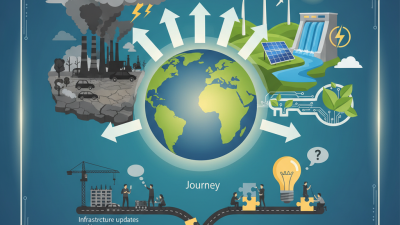
Transitioning to clean energy is crucial for reducing our carbon footprint. Many global buyers are now prioritizing sustainable practices. By choosing renewable sources, they contribute to a healthier planet. Clean energy reduces greenhouse gas emissions, which is vital in combating climate change.
The process involves both individual and collective actions. While many organizations aim for certified green energy, achieving this is not always straightforward. Challenges include balancing costs and technology access. Some buyers struggle with integrating clean power into existing systems. These complexities encourage deeper reflections on energy consumption habits.
Adopting clean power offers environmental benefits, but it is not without hurdles. There is an ongoing debate around the reliability of certain renewable sources. Nonetheless, the long-term advantages outweigh the challenges. Buyers committed to clean energy play a significant role in fostering sustainable practices across industries.
Benefits of Clean Power for Global Buyers
Corporate Responsibility: Enhancing Brand Image with Sustainable Choices
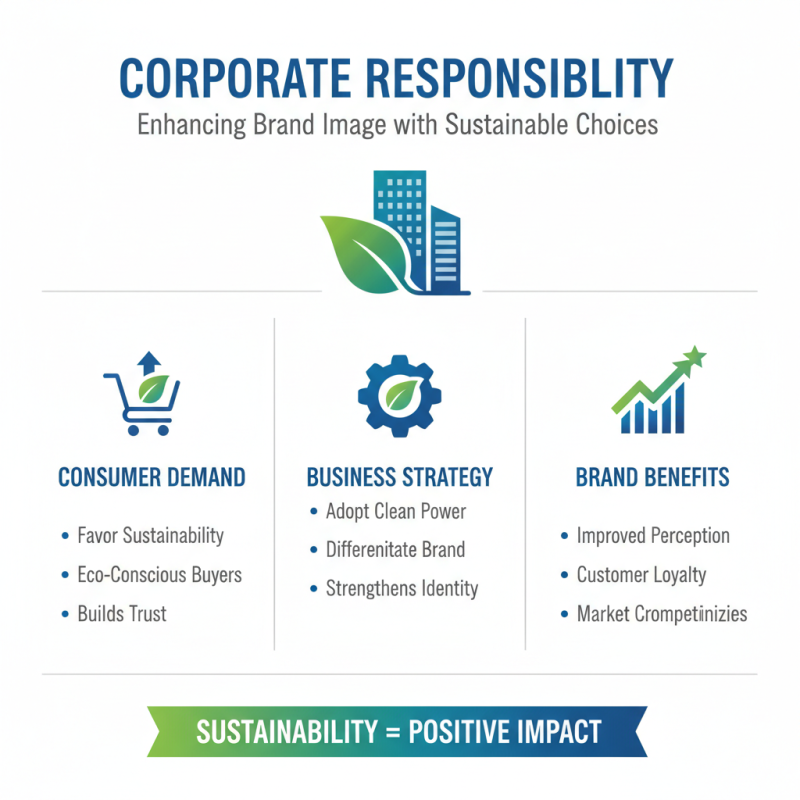
In today's marketplace, corporate responsibility is more than a trend. It’s a vital component of brand identity. Consumers increasingly favor companies that prioritize sustainability. By adopting clean power, businesses can differentiate themselves. This choice resonates with environmentally conscious buyers. When brands commit to sustainability, it strengthens their image and builds trust.
Moreover, utilizing renewable energy sources can influence customer perception. Many buyers view a commitment to clean power as a sign of integrity. This perception enhances customer loyalty. However, there's a risk. Companies may face scrutiny if their actions do not live up to their claims. Authenticity is crucial. Brands should openly share their sustainability journey, including challenges and successes.
Incorporating clean energy is not just beneficial; it’s essential for long-term success. Taking steps to reduce carbon footprints fosters transparency. Brands can engage customers through storytelling. Sharing real examples, both good and bad, humanizes the brand. It helps in creating a deeper connection with the audience. Sustainability is a journey, not a destination. Brands must reflect on their practices and strive for genuine improvement.