Best Renewable Energy Solutions for Home in 2026?
As we look towards 2026, the conversation around renewable energy for home continues to evolve. Homeowners are increasingly aware of their environmental impact. They seek solutions that not only reduce carbon footprints but also save on energy costs. Innovations in solar panels and wind turbines are leading the charge.
The aim of this article is to explore the best renewable energy solutions for home use. From energy efficiency to sustainable technologies, choices grow each year. There is a myriad of options, yet each comes with its own set of challenges. It’s essential to understand not only the benefits but also the limitations of each solution.
Considering renewable energy for home, practical applications are key. How much energy can a solar panel produce for your roof? Is wind power viable in your area? Understanding these details will help you make informed decisions. The journey towards sustainable living is not simple, but with careful planning, it becomes achievable. Embracing renewable energy solutions can reshape our homes and our relationship with the planet.
Emerging Trends in Renewable Energy for Residential Use by 2026
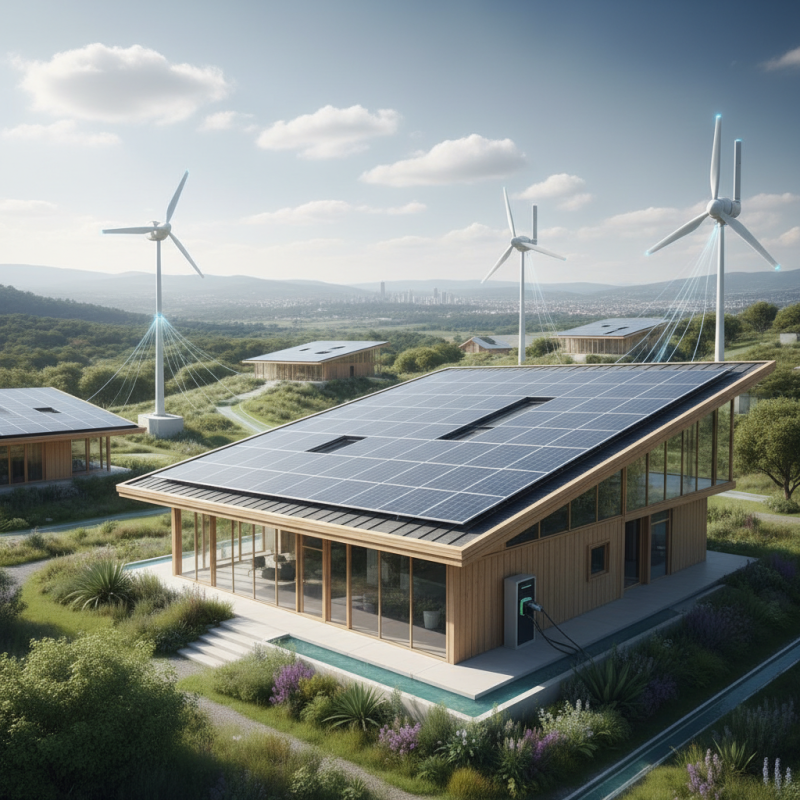
As we approach 2026, residential renewable energy trends are evolving rapidly. Homeowners are increasingly seeking sustainable solutions to power their homes. Third-party research by the International Renewable Energy Agency (IRENA) suggests that global solar capacity could exceed 4,800 GW by 2026, supporting this shift. Solar panels are becoming more efficient, with average conversion rates now exceeding 20%. This efficiency improvement plays a critical role in encouraging homeowners to invest in solar technology.
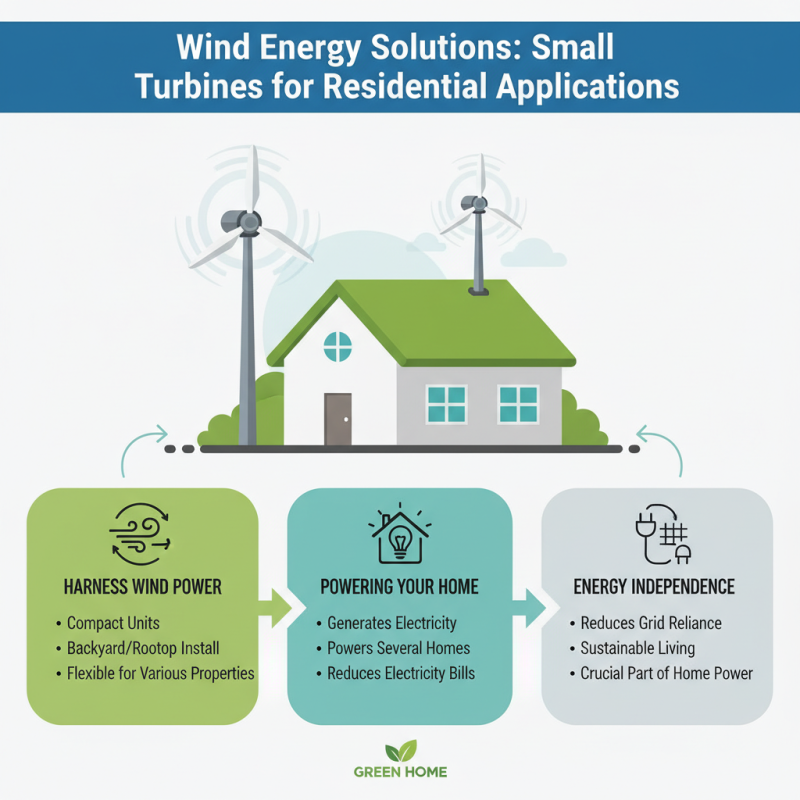
Wind energy is also gaining traction among residential users. According to the U.S. Department of Energy, small wind turbines can now provide up to 90% of a household’s electricity needs. This is significant for rural areas where traditional energy sources are limited. Battery storage systems are emerging as vital components for residential setups. They allow homeowners to store excess energy and manage usage more effectively. However, some challenges remain, such as the initial cost of installation.
While these advancements offer great promise, not all homeowners may have access to renewable energy solutions. Installation can be complex, and regulations vary significantly by region. Community engagement and local policies will be essential for promoting wider adoption. As the industry grows, understanding these barriers is crucial for making renewable energy accessible and reliable for everyone.
Best Renewable Energy Solutions for Home in 2026
| Renewable Energy Source |
Estimated Cost ($ per kW) |
Efficiency (%) |
Installation Time (Days) |
Payback Period (Years) |
| Solar Photovoltaic |
2500 |
20 |
10 |
5 |
| Wind Turbines |
3000 |
35 |
15 |
7 |
| Geothermal Heat Pumps |
4000 |
45 |
20 |
4 |
| Biomass Systems |
1500 |
20 |
30 |
10 |
| Hydropower Systems |
5000 |
70 |
60 |
8 |
Solar Power Innovations for Homeowners in 2026
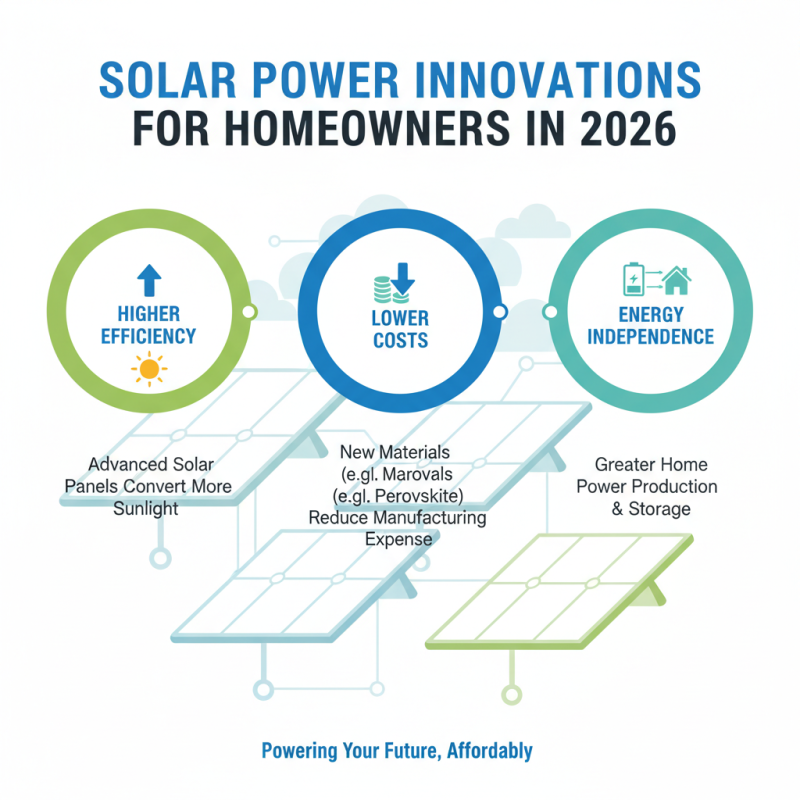
In 2026, homeowners are set to experience significant innovations in solar power. Advances in solar panel technology promise higher efficiency and affordability. New materials, such as perovskite, could enhance energy absorption while reducing costs. These developments mean homeowners can enjoy greater energy independence.
Tips: Consider assessing your roof’s orientation and shading. This will help maximize sunlight exposure. Also, investigate community solar programs. These can provide renewable energy options for those unable to install panels at home.
Home battery storage technologies are improving. They allow homeowners to store excess energy generated during the day. This energy can be used when the sun isn't shining. However, the initial costs may still be high for some. Reflecting on this investment is crucial for long-term savings. It's essential to weigh the immediate expenses against potential long-term benefits.
Tips: Evaluate your energy consumption patterns. Understanding your usage can guide you in choosing the right battery capacity. Also, keep abreast of changes in local energy policies. They can impact your solar investment and savings.
Energy Storage Technologies Enhancing Home Energy Independence
The rise of energy storage technologies is transforming how homeowners achieve energy independence. In 2026, efficient battery systems will become essential for harnessing renewable energy. According to recent reports, the global energy storage market is projected to reach $540 billion by 2026, illustrating a growing need for robust home solutions.
Homeowners can utilize advanced batteries to store excess energy generated from solar panels. These systems ensure that energy is available even during peak usage times or outages. Studies show that homes with energy storage can reduce their reliance on the grid by up to 80%. This not only enhances energy independence but also lowers energy bills significantly.
Tips for maximizing your home energy storage:
- Regularly monitoring energy consumption
- Investing in smart home technologies
- Integrating devices that track usage patterns to help optimize storage efficiency.
- Consider diversifying your energy sources. Relying solely on solar may not be sufficient if weather conditions are unfavorable.
- Regularly assessing your energy needs is crucial, especially as families grow or lifestyle changes occur.
Integrating Smart Home Systems with Renewable Energy Sources
As we approach 2026, the integration of smart home systems with renewable energy sources stands out. This trend emphasizes efficiency and sustainability. Recent studies indicate that homes equipped with smart technology can decrease energy consumption by up to 30%. Smart thermostats and energy management systems help homeowners monitor and optimize their energy use.
However, the challenge lies in ensuring that these technologies function harmoniously with renewable sources. For instance, solar panels can generate excess energy during peak sunlight but may not always align with peak household usage. Thus, energy storage solutions, like batteries, are essential. A report from the International Energy Agency predicts that the global energy storage capacity will exceed 250 gigawatt-hours by 2026.
Yet, the reliability of these systems can be questioned. Not every home will be suited for extensive smart tech integration. Furthermore, the initial costs may deter some homeowners. Balancing convenience, efficiency, and affordability needs thoughtful consideration. Investing in education about these systems is crucial. Many homeowners remain unaware of available options. Therefore, improving user knowledge will enhance adoption rates.