10 Best Sustainable Energy Solutions for a Greener Future
As the world confronts the escalating challenges of climate change and environmental degradation, the shift towards sustainable energy solutions has become imperative for a healthier planet. According to the International Energy Agency (IEA), renewable energy sources will account for nearly 80% of the global power generation mix by 2030, reflecting a broader commitment to sustainable energy practices. This transition is not just necessary for reducing greenhouse gas emissions, but also vital for enhancing energy security and promoting economic resilience.
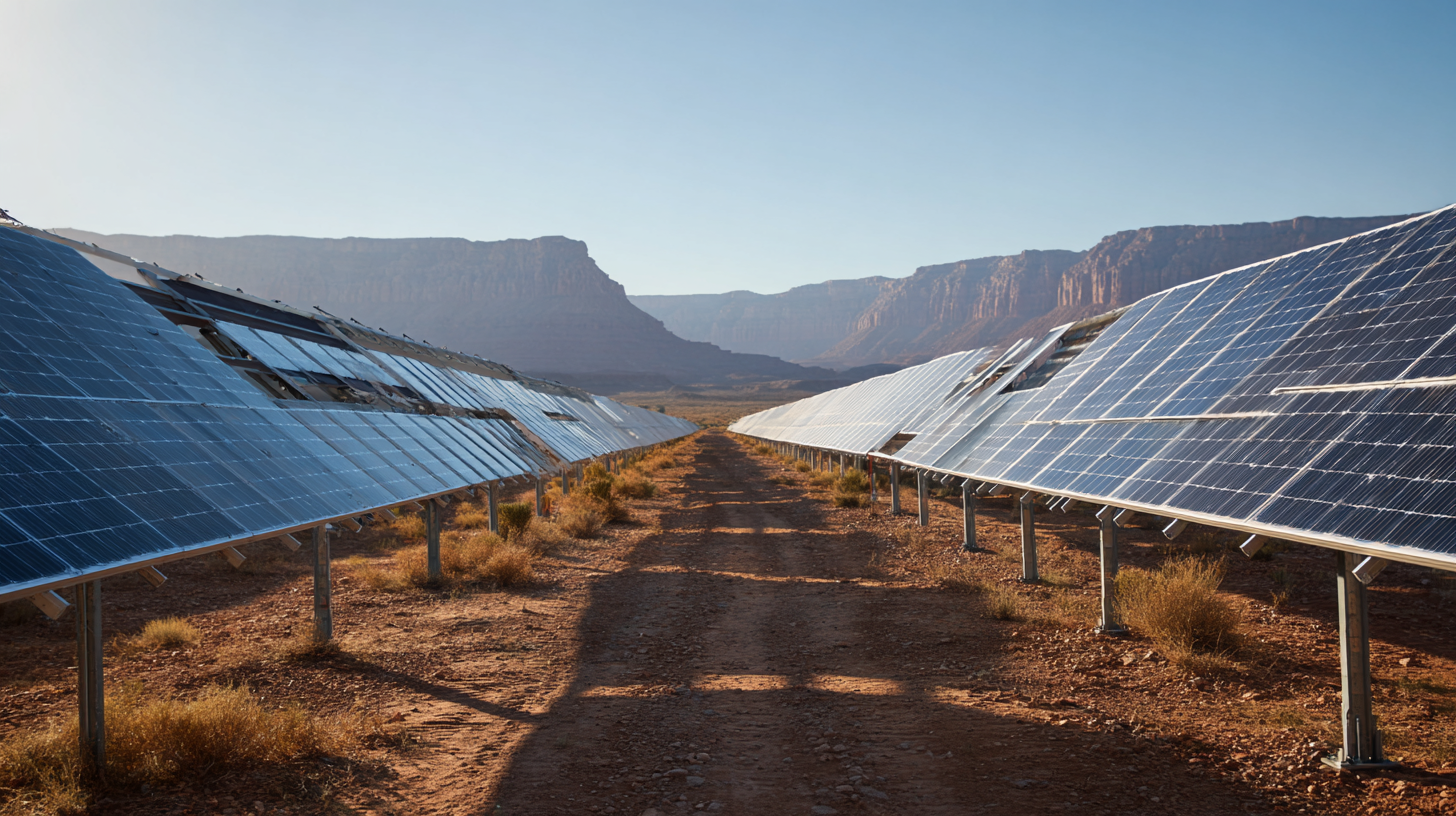
The United Nations has outlined that investing in sustainable energy can lead to substantial improvements in the quality of life, particularly in developing nations. By harnessing renewable resources such as wind, solar, and hydropower, countries can alleviate energy poverty and ensure equitable access to safe and sustainable electricity. Furthermore, the Global Renewable Energy Report emphasizes that this movement towards sustainable energy not only creates jobs in burgeoning green industries but also stimulates technological innovations that can drive economic growth.
In light of these promising developments, exploring the ten best sustainable energy solutions available today is essential for both policymakers and consumers alike. These strategies not only pave the way for a greener future but also illustrate how sustainable energy can be integrated into our daily lives, ultimately contributing to a more sustainable and resilient global community.
Top Solar Energy Innovations Transforming the Renewable Sector in 2023
The renewable energy sector is experiencing a remarkable transformation, particularly in solar energy innovations in 2023. One of the most significant advancements is the development of bifacial solar panels, which capture sunlight on both sides, increasing efficiency by up to 30% compared to traditional panels. This technology allows for greater energy production even in constrained spaces, making it an ideal solution for urban environments where roof space is limited.
In addition to panel improvements, the integration of smart solar technology is revolutionizing how energy is harnessed and managed. Smart inverters now come equipped with artificial intelligence, enabling real-time monitoring and optimization of solar energy output. This innovation not only enhances grid stability but also improves the overall efficiency of renewable energy systems. As these technologies continue to evolve, they are paving the way for a more sustainable energy landscape, driving down costs and increasing accessibility for consumers and businesses alike.
Unleashing Wind Power: The Growth of Offshore Wind Farms and Their Impact on Energy
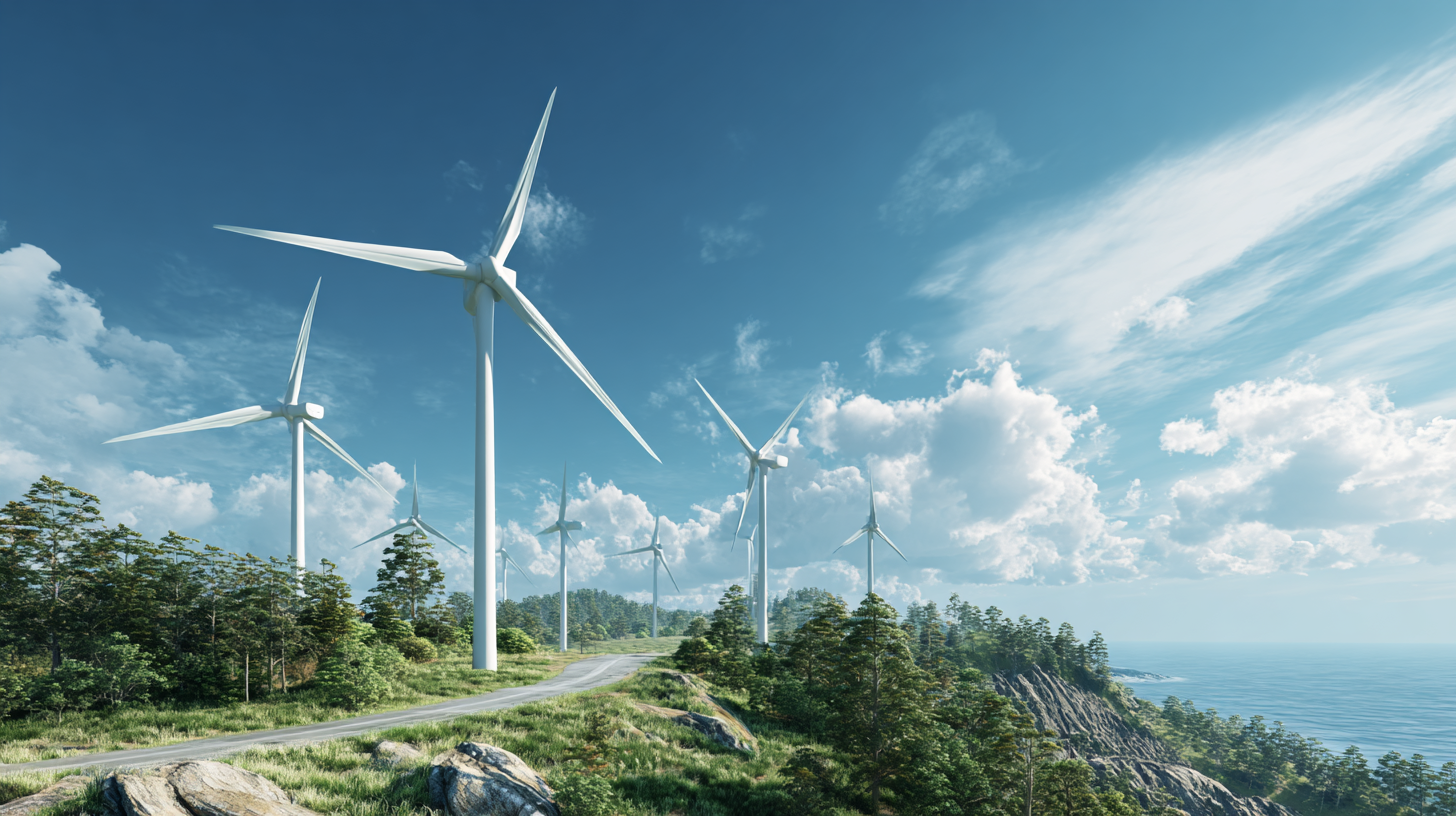
Offshore wind farms are emerging as a pivotal solution in the quest for sustainable energy. Harnessing the power of wind over vast bodies of water, these installations are able to generate significant amounts of electricity with minimal environmental impact. Unlike onshore wind farms, offshore turbines can capture stronger and more consistent winds, leading to higher energy output. The expansion of these facilities not only contributes to a reduction in greenhouse gas emissions but also helps diversify energy sources, making grids more resilient to fluctuations.
The growth of offshore wind farms is having a profound impact on energy policies and local economies. Countries around the globe are investing in this technology, recognizing its potential to create jobs and stimulate economic growth. As nations transition to cleaner energy systems, offshore wind offers a viable path toward achieving ambitious climate goals. Additionally, the technological advancements in turbine design and installation techniques are continuously improving efficiency and lowering costs, making offshore wind an increasingly attractive option for meeting future energy demands.
Annual Offshore Wind Energy Production (in TWh) by Year
This bar chart illustrates the annual production of offshore wind energy from 2018 to 2023. As seen, there has been a significant increase in energy production, indicating the growth and impact of offshore wind farms on sustainable energy solutions.
Harnessing Geothermal Energy: The Untapped Resource for Sustainable Heating and Cooling
 Harnessing geothermal energy represents an underutilized avenue in the quest for sustainable heating and cooling solutions, particularly as highlighted by the recent launch of GeoMap™ South America, which reports an astonishing 6000 GW of untapped geothermal power potential. This remarkably positions South America among the highest quality geothermal resources globally. Geothermal energy can provide essential district heating and cooling solutions, and with adequate investment, it could significantly contribute to local economies while reducing carbon footprints.
Moreover, substantial developments are occurring worldwide. The United States holds over 500 GW of untapped geothermal potential, making it a critical player in the clean energy transition. As global leaders prioritize sustainable energy sources, geothermal's advantages are rapidly gaining recognition. Additionally, India has introduced its first National Geothermal Policy, aimed at diversifying its renewable energy portfolio and supporting its Net Zero 2070 target. With these advancements, geothermal energy is emerging as a vital resource in the transition to greener futures, capable of providing not just heating and cooling but also promoting economic development.
The Rise of Energy Storage Solutions: How Batteries are Revolutionizing Renewable Energy
The transition to sustainable energy solutions is increasingly being propelled by advancements in energy storage technologies, particularly batteries. These innovations are crucial for maximizing the potential of renewable energy sources such as solar and wind, which are inherently intermittent. With the ability to store surplus energy generated during peak production times, batteries enable a consistent power supply even when the sun isn't shining or the wind isn't blowing. This capability is revolutionizing the energy landscape, making it easier for communities and industries to rely on renewables.
When considering the use of energy storage solutions, here are a few tips to keep in mind. First, assess your energy needs and usage patterns to determine the right size and type of battery for your situation. Lithium-ion batteries are popular for their efficiency and longevity, but other options like flow batteries may offer advantages for larger-scale applications. Secondly, explore local incentives or rebates for renewable energy installations; many governments provide excellent support for households and businesses that adopt these green technologies.
As the demand for sustainable energy grows, so does the importance of effective energy storage. Integrating these technologies not only aids in transitioning to cleaner energy sources but also encourages innovation within the industry. Embracing energy storage is a vital step towards achieving a greener future.
Smart Grids: Enhancing Energy Efficiency Through Technology and Data Optimization
Smart grids represent a transformative approach to energy management, utilizing advanced technologies and data optimization to significantly enhance energy efficiency. By integrating digital communication tools with traditional energy infrastructure, smart grids facilitate real-time monitoring and control of energy flow. This enables utilities and consumers to make informed decisions about energy consumption, ultimately leading to reduced waste and optimized usage patterns.
The deployment of smart meters and sensors allows for precise tracking of energy demand and supply, which is essential for balancing load and minimizing outages. Additionally, the data collected through these technologies can be analyzed to predict energy needs, manage renewable energy sources more effectively, and improve overall grid reliability. As communities increasingly turn to sustainable energy solutions, smart grids stand out as a pivotal element that not only supports green initiatives but also empowers consumers to participate actively in energy conservation efforts.