What are the Best Sustainable Power Solutions for Global Buyers?
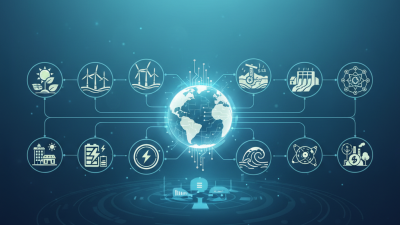
The quest for sustainable power is becoming increasingly vital for global buyers. Each year, the impact of climate change intensifies, prompting businesses to seek cleaner energy solutions. Sustainable power presents an opportunity to reduce carbon footprints. It also addresses energy demands effectively.
From solar energy to wind farms, the options are diverse. Various regions offer unique sustainable power solutions that fit local needs. However, not all solutions are equally viable. Factors like cost, availability, and technological advancements influence their effectiveness. Buyers must navigate this complex landscape carefully.
Choosing the right sustainable power sources involves both benefits and challenges. Decision-makers face pressure to adopt eco-friendly practices while balancing budgets. As technology evolves, the landscape shifts, making it crucial to stay informed. A thoughtful approach is necessary for making impactful choices.
Sustainable Power Solutions Overview for Global Buyers
The demand for sustainable power solutions is growing rapidly. As the global energy landscape changes, buyers seek reliable and eco-friendly options. According to the International Energy Agency (IEA), renewable energy sources are set to make up 30% of the global energy mix by 2025. This transition highlights the urgency for solutions that can meet both environmental and economic needs.
Solar and wind power have emerged as frontrunners. The Global Wind Energy Council reported a record installation of 93 gigawatts in 2021 alone. These technologies are increasingly cost-competitive. However, challenges remain. Intermittency and storage issues can impact reliability. Many buyers must navigate these complexities to adopt effective solutions.
In addition, energy efficiency measures play a crucial role. The International Energy Agency estimates that improving energy efficiency can cut global energy demand by 50% by 2030. This underscores the importance of integrating efficiency with renewables. Buyers should be cautious, as not all solutions are equally sustainable. Evaluating the lifecycle impact is essential for making informed decisions in this rapidly evolving market.
Best Sustainable Power Solutions Overview
Key Renewable Energy Sources and Their Benefits
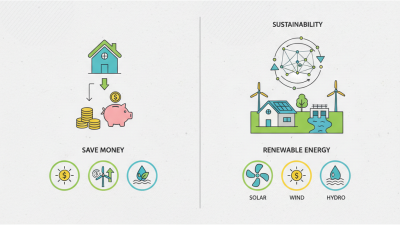
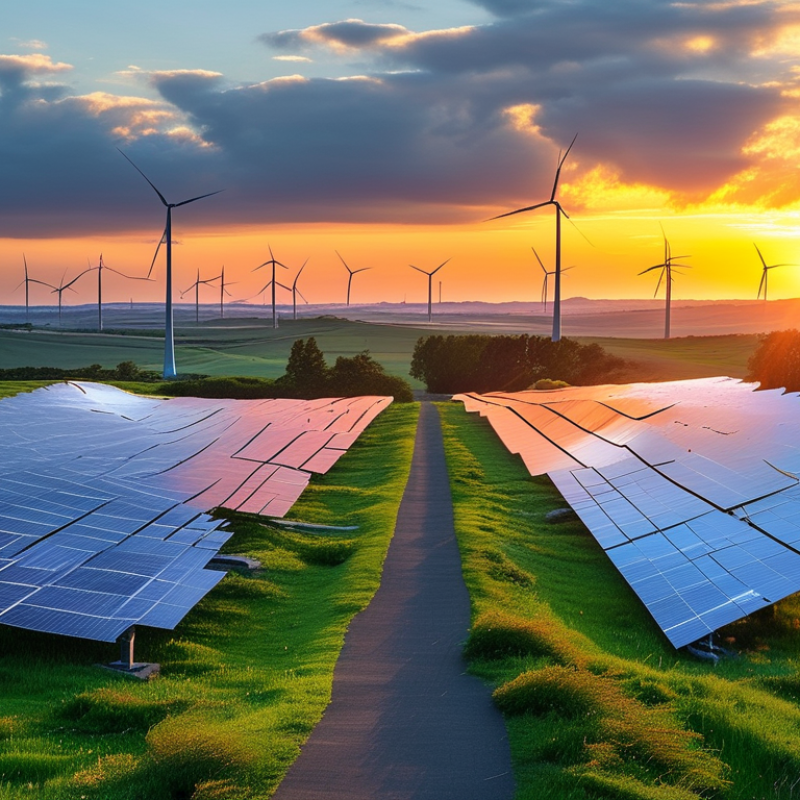
Renewable energy sources are key to a sustainable future. Solar power is one of the most popular options. It harnesses sunlight through panels, converting it into electricity. This method is clean. It reduces greenhouse gas emissions and lowers energy costs in the long run. As technology advances, solar panels become more efficient and accessible.
Wind energy is another crucial solution. Wind turbines capture the energy of the wind, generating electricity. This source is plentiful in coastal and open areas. While it provides significant power, some communities may face noise and visual concerns. It's essential to address these issues to promote wider acceptance.
Hydropower is also vital. By using flowing water to generate electricity, it can supply energy to large populations. However, building dams may disrupt local ecosystems. This brings a question of balance between energy needs and environmental protection. Each renewable source has its advantages and challenges. Fostering discussion and innovation is critical to finding the best sustainable power solutions.
Evaluating the Efficiency of Solar Power Systems
Solar power systems have emerged as a leading sustainable solution for global energy needs. Many buyers are eager to evaluate their efficiency. Efficiency in solar power systems can vary significantly based on design, location, and technological advancement. Real-world performance often diverges from theoretical maximums. This discrepancy could lead to buyer disappointment.
The sun's position affects the energy captured each day. Seasonal changes can create fluctuations in output. For instance, systems located in northern climates may produce less energy during winter. Geographic differences also play a role. Areas with frequent cloud cover may not maximize solar potential. It’s vital to consider these factors when planning installations.
Regular maintenance is crucial to ensure optimal performance. Dust, debris, and shade can reduce energy generation. Owners should inspect their systems routinely. Clear the panels and trim surrounding foliage. This diligence can mean the difference between projected and actual efficiency. Buyers need to balance potential savings with these practical challenges. Such realities highlight the importance of thorough research and realistic expectations.
Wind Energy Solutions: Pros, Cons, and Market Trends
Wind energy has emerged as a viable solution for sustainable power. It harnesses the natural force of wind, converting it into electricity. The technology for wind energy has advanced significantly, making it more efficient. Turbines can now generate power even at lower wind speeds. This adaptability has opened new markets, particularly in regions with less consistent wind.
However, challenges remain. The environmental impact of wind turbines is a topic of debate. Wildlife, particularly birds and bats, can be affected. Local communities may also express concerns over noise and aesthetics. These factors require careful consideration and management. As more countries invest in wind energy, ongoing research is essential. We need to further evaluate the long-term effects on ecosystems and communities. Regular assessments can improve designs and implementations, ensuring sustainability.
Market trends indicate a growing acceptance of wind energy among global buyers. Governments worldwide are setting ambitious renewable energy targets. This incentivizes investment in wind technologies. As the industry matures, the cost of wind energy continues to decrease. This shift makes it more competitive with fossil fuels. Engaging local stakeholders in planning can enhance project success. It fosters community support and mitigates potential conflicts. Balancing the benefits of wind energy with its challenges is crucial for future development.
What are the Best Sustainable Power Solutions for Global Buyers? - Wind Energy Solutions: Pros, Cons, and Market Trends
| Dimension |
Details |
| Energy Output |
Varies by turbine size; typically ranges from 1.5 to 3 MW per turbine. |
| Installation Cost |
Average installation cost between $1,200 to $4,000 per kW. |
| Lifespan |
Typically 20 to 25 years with proper maintenance. |
| Environmental Impact |
Low emissions; potential impact on bird and bat populations. |
| Market Trends |
Growing investment; increased efficiency in turbine technology. |
| Geographic Potential |
Best suited for coastal areas and open plains with consistent wind flow. |
| Government Incentives |
Tax credits, subsidies, and renewable energy mandates vary by region. |
| Maintenance Requirements |
Regular inspections; typically low compared to fossil fuel plants. |
Emerging Technologies in Sustainable Power Generation
Emerging technologies in sustainable power generation present exciting opportunities for global buyers. Wind and solar energy have made significant advancements, yet newer options are surfacing. One promising technology is floating solar panels. They utilize otherwise unused water surfaces and reduce evaporation. This approach enhances land use efficiency while producing renewable energy.
Another noteworthy development is energy storage systems. These systems have improved dramatically and help balance supply and demand. Battery technology, especially, has evolved. Lithium-ion and flow batteries offer reliable options for businesses transitioning to sustainable practices. However, it's crucial to assess the environmental impact of battery sourcing and disposal. Awareness matters.
Tips for buyers include evaluating local resources for energy generation. Engaging with communities can lead to innovative solutions tailored to specific regions. Additionally, integrating multiple technologies often yields better results. Diverse energy sources can enhance resilience against disruptions. Keep in mind that more sustainable practices require constant adaptation. Staying informed will help navigate challenges and opportunities in the evolving landscape of sustainable energy.