
Choosing the right Ev Charging Exporter in China is not simply a matter of comparing prices. It is a technical and commercial decision that can affect safety, uptime, installation costs, and customer trust. A reliable exporter should provide tested hardware, clear certifications, stable software, responsive support, and evidence of successful international deliveries. Product photos are not enough. You need to examine the details behind them.
During factory evaluations, practical signs matter. Look at cable quality, connector protection, enclosure finishing, and labeling accuracy. Ask how the company handles firmware updates and warranty claims. Request test reports, production records, and references from similar markets. One overlooked detail can become a costly problem later. Sometimes, buyers focus too much on the lowest quotation.
Interoperability deserves equal attention. Dr. Claas Bracklo, a recognized e-mobility expert associated with CharIN, has stated, “Interoperability is the key to the success of electric mobility.” His view reflects a central purchasing principle: chargers must work reliably with vehicles, networks, payment systems, and local electrical conditions. This guide explains how to assess a Chinese EV Charging Exporter through product capability, compliance evidence, manufacturing experience, communication quality, and after-sales service. It also considers uncomfortable questions, such as whether an attractive price hides limited testing or weak support. No exporter is perfect. Careful verification remains essential.
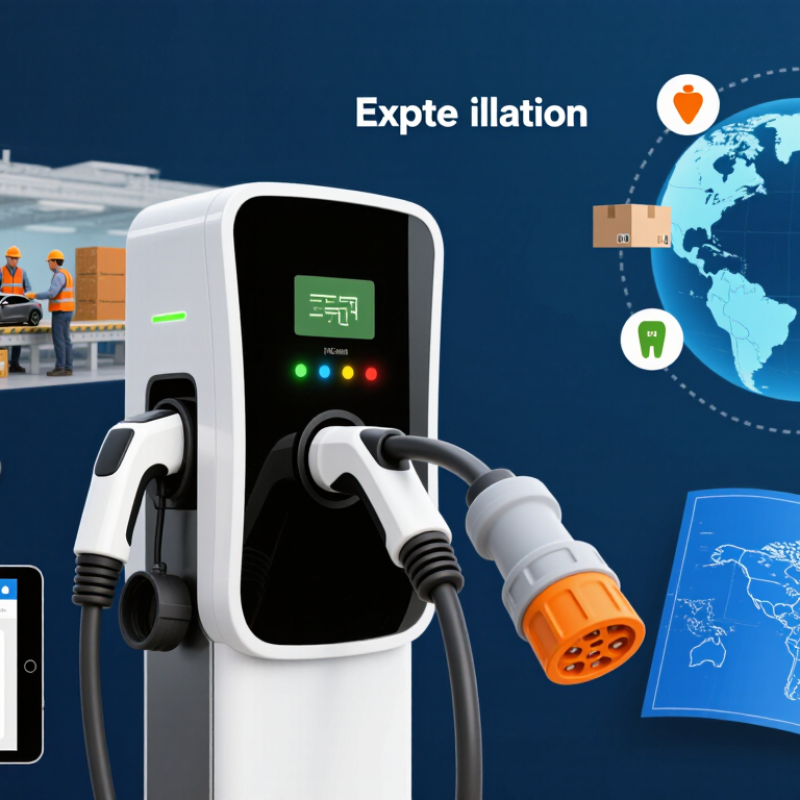
China’s EV charging export market is expanding with the global vehicle fleet. The IEA’s Global EV Outlook 2024 reports more than four million public charging points worldwide at the end of 2023. China represented over half of that total. This scale supports a broad export supply chain, from compact AC wallboxes to high-power DC systems.
Product categories serve different operating scenes. AC chargers suit homes, hotels, and offices, usually with lower installation costs. DC fast chargers serve highways, fleets, and urban charging hubs. Portable EVSE units support emergency use, but their output is limited. Exporters also supply charging cables, connectors, power modules, load-balancing systems, and software gateways. The right product depends on local voltage, connector standards, climate, and grid capacity. A high output rating alone is not enough.
Tips: Ask for independent test reports, certification records, warranty terms, and spare-parts plans. Check IP and IK protection, thermal performance, communication protocols, and remote diagnostics. The IEA notes that reliable public charging requires stronger grid planning and better utilization, not only more hardware. That point is easy to miss. A low quotation may exclude installation support, software updates, or replacement modules. Review those gaps before comparing prices. Also request pilot-unit testing in real weather conditions. A clean datasheet can still hide unstable software or slow after-sales response. Reference: International Energy Agency, Global EV Outlook 2024.
A practical comparison of major EV charging product categories, export standards, market requirements, and supplier evaluation criteria.
| Product Category | Typical Power Range | Common Applications | Main Export Interface | Key Compliance Standards | Important Export Requirements | Supplier Evaluation Focus |
|---|---|---|---|---|---|---|
| Portable AC Charger | 1.8–3.7 kW, usually single-phase | Emergency charging, travel, residential backup use | Type 2, Type 1, or GB/T AC; regional household plugs | IEC 61851-1; IEC 62196; applicable national plug standards | Input voltage, plug configuration, residual-current protection, cable temperature rating | Cable quality, protection functions, documentation, regional plug certification |
| Residential AC Wallbox | 3.6–7.4 kW single-phase; 11–22 kW three-phase | Homes, apartments, private garages, small workplaces | Type 2 is common in Europe and many international markets; Type 1 remains common in some markets | IEC 61851-1; IEC 62196-2; local electrical and radio regulations | IP rating, overcurrent protection, residual-current detection, EMC, Wi-Fi or cellular approval where applicable | Load management, installation method, firmware support, after-sales spare parts |
| Commercial AC Charger | 11–22 kW AC, generally three-phase | Offices, hotels, retail sites, parking facilities, fleets | Type 2; socketed or tethered cable options | IEC 61851-1; IEC 62196-2; OCPP 1.6 or OCPP 2.0.1 for networked equipment | Three-phase compatibility, dynamic load balancing, payment integration, accessibility and safety rules | Backend interoperability, uptime monitoring, remote diagnostics, installation support |
| DC Fast Charger | 20–60 kW DC | Urban charging, dealerships, workplaces, small public sites | CCS2, CCS1, CHAdeMO, or GB/T DC depending on destination market | IEC 61851-23; IEC 61851-24; IEC 62196; applicable regional EMC and electrical rules | Output voltage range, connector protocol, insulation monitoring, emergency stop, thermal management | Power-module efficiency, connector durability, serviceability, test reports, software stability |
| High-Power DC Charger | 60–180 kW DC | Public fast-charging hubs, fleet depots, highway locations | Primarily CCS2, CCS1, or GB/T; connector selection must match vehicle fleets | IEC 61851 series; IEC 62196; ISO 15118 features where implemented; OCPP for network management | Grid connection capacity, harmonic performance, liquid or forced-air cooling, payment and cybersecurity requirements | Power sharing, peak efficiency, modular replacement, remote service capability, local technical support |
| Ultra-Fast DC Charger | 180–360 kW or higher, site-dependent | Highway hubs, logistics fleets, heavy-use commercial charging | High-current CCS2, CCS1, or GB/T configurations | IEC 61851; IEC 62196; ISO 15118 where required; national grid and EMC regulations | High-current cable cooling, grid transformer capacity, acoustic limits, safety spacing, reliable thermal control | Continuous-load performance, thermal derating, redundancy, commissioning capability, service response time |
| AC Charging Cable and Connector | Normally 16–32 A; up to 11–22 kW AC for three-phase use | Replacement cables, charging stations, vehicle-side accessories | Type 2, Type 1, or GB/T AC | IEC 62196-2; IEC 61851 control-pilot requirements | Pin temperature, mechanical endurance, cable cross-section, weather resistance, contact protection | Connector lifecycle testing, conductor quality, strain relief, bend radius, batch consistency |
| DC Charging Cable and Connector | Typically 60–500 A, depending on voltage, cooling, and connector design | Fast-charger replacement parts, public stations, fleet infrastructure | CCS2, CCS1, CHAdeMO, or GB/T DC | IEC 62196-3; IEC 61851; applicable regional connector requirements | Current rating, liquid cooling where applicable, locking mechanism, insulation, temperature sensing | Verified current capacity, mating-cycle test data, cooling reliability, replacement availability |
| Fleet and Depot Charging System | AC 11–22 kW or DC 60–360 kW per charging point | Buses, delivery vehicles, taxis, rental fleets, logistics depots | Interface selected according to fleet vehicle models and local regulations | IEC 61851; ISO 15118 where required; OCPP 1.6 or 2.0.1; local electrical codes | Scheduled charging, energy management, RFID or account control, integration with fleet software | System scalability, API availability, load optimization, maintenance planning, commissioning experience |
| Solar-Integrated and Energy-Storage Charger | Commonly 7–22 kW AC or 30–180 kW DC, plus storage capacity | Solar self-consumption, peak shaving, backup charging, weak-grid locations | AC or DC connector selected for the target vehicles and energy system | IEC 61851; IEC 62196; applicable battery, inverter, EMC, and grid-interconnection standards | Battery safety, state-of-charge control, fire protection, grid synchronization, energy-management software | System integration capability, battery warranty terms, thermal management, monitoring and safety documentation |
| Target Market Group | Common AC Interface | Common DC Interface | Typical Electrical Considerations | Exporter Checklist |
|---|---|---|---|---|
| European markets | Type 2; 230 V single-phase or 400 V three-phase systems are common | CCS2 is widely used | CE-related conformity, EMC, low-voltage safety, local installation rules, and data protection requirements | Confirm conformity assessment, technical file, declarations, language labeling, and authorized local support |
| North American markets | Type 1 is common; newer installations may require NACS-compatible equipment | CCS1 and NACS are used depending on vehicle and site requirements | Regional certification, 120/240 V or 208/240 V systems, grid frequency, cable and enclosure requirements | Verify local certification pathway, connector compatibility, labeling, software, warranty, and installer requirements |
| Japan and selected Asian markets | Type 1 is common in Japan; other markets may use Type 2 or local variants | CHAdeMO remains relevant in Japan; CCS2 and other interfaces are used elsewhere | Voltage, frequency, earthquake or weather conditions, local approvals, and language requirements vary by country | Check country-specific approval, connector inventory, environmental protection, and service-part availability |
| China domestic and selected export projects | GB/T AC | GB/T DC | GB/T 18487.1 and GB/T 20234 series are important references for compatible equipment | Do not assume domestic specifications are accepted overseas; confirm destination-market certification and interface requirements |
Recommended Exporter Selection Criteria
Compare the exporter’s destination-market certifications, connector compatibility, electrical safety design, communication protocols, software interoperability, factory quality controls, spare-parts plan, warranty terms, packaging, documentation, and ability to provide installation and after-sales support. Power ratings and interface availability are indicative industry ranges; the final specification should be confirmed against local regulations, vehicle compatibility, and site-grid conditions.
Standards referenced include IEC 61851, IEC 62196, ISO 15118, OCPP 1.6, OCPP 2.0.1, GB/T 18487.1, and GB/T 20234.2. Certification requirements may differ by country, product type, installation environment, and charging network.
How to Choose the Best EV Charging Exporter in China?
Defining Your Technical, Regulatory, and Business Requirements
Selecting an EV charging exporter begins with a precise technical brief. Define connector types, voltage range, charging speed, enclosure rating, and operating temperature. Consider installation conditions, from dusty workshops to exposed parking areas. Ask for test reports, wiring diagrams, firmware details, and traceable production records. In field evaluations, small details matter. Cable length and screen visibility can affect daily usability. A low unit price means little if maintenance is difficult.
Regulatory requirements must match the destination market, not only the manufacturing location. Confirm applicable safety, electromagnetic compatibility, environmental, and communication requirements with qualified local specialists. Request current certificates and verify their scope, issuing body, and model coverage. Business requirements deserve equal attention. Review minimum order quantities, lead times, spare parts, warranty procedures, payment terms, and technical support. A supplier may answer quickly before purchase, then respond slowly after delivery. That risk needs evidence, not promises. No checklist is perfect.
Tips: Ask for a sample unit before placing a large order. Test charging stability, noise, heat, and software functions in realistic conditions. Document every assumption. Compare at least three written quotations using the same specifications. Check whether replacement parts can arrive within your service window. Also, discuss packaging and shipping damage procedures in advance. A successful factory audit is useful, but it cannot replace long-term performance data. Recheck critical claims independently.
Defining your technical, regulatory, and business requirements before comparing suppliers.
Use this checklist to assess exporter readiness. Technical verification should cover charging standards such as IEC 61851, IEC 62196, OCPP, ISO 15118, and enclosure protection. Regulatory verification should include market-specific conformity, EMC, RoHS, WEEE, and grid requirements. Business verification should confirm warranty coverage, spare-parts support, delivery capability, and cybersecurity documentation.
How to Choose the Best EV Charging Exporter in China?
Choosing an EV charging exporter in China requires more than comparing prices. Manufacturing capability often reveals long-term reliability. During supplier evaluations, inspect production lines, testing stations, and quality records. A capable factory controls circuit boards, cables, housings, and final assembly with clear procedures.
Look for incoming-material inspections and end-of-line testing. Ask how each charger receives a serial number and test report. Reliable exporters should provide market-appropriate certifications and reports from accredited laboratories. They should also explain testing for temperature, insulation, water resistance, communication, and overload protection. Factory capacity matters, but unused capacity proves little. Request recent production figures and evidence of repeat orders.
Export experience deserves equal attention. Check packaging strength, labeling accuracy, customs documents, spare-parts planning, and warranty response times. Ask whether technical manuals support your installation teams. Firmware updates should follow controlled procedures, not informal messages. A practical sample order can expose weaknesses before a large contract. Test the charger with different vehicles, network conditions, and payment systems.
Be careful with polished showrooms. They can hide inconsistent production. I would rather review an imperfect factory honestly than trust impressive presentations. Some suppliers may have strong hardware but weak after-sales support. Others may promise customization without sufficient engineering staff. Compare written commitments with observed processes, customer references, and independent inspection results. Reliability grows from evidence, not confident language.
Quality begins with applicable standards, not attractive product photos.
Ask whether the charger follows IEC 61851 and uses compliant connectors under IEC 62196. For smart charging, check ISO 15118 support and its actual software functions. Certificates should match your destination market, such as CE or other required approvals. Request test reports from accredited laboratories, production traceability, and inspection records. A reliable exporter can explain insulation, leakage, overheating, and ingress protection tests clearly. Vague answers deserve caution.
Pricing requires more than comparing unit quotations.
Calculate shipping, duties, installation parts, warranty coverage, and replacement costs. Ask about minimum order quantities, payment terms, spare parts, and after-sales response times. A low price can hide weaker relays or limited thermal protection. It looks attractive at first.
During evaluation, test several samples through repeated charging cycles, outdoor exposure, and unstable voltage conditions. One sample is not enough.
Some buyers, including me, have underestimated field support and focused too heavily on the initial quotation.
Customization should solve a real operating problem.
Useful options include cable length, connector type, enclosure color, display language, payment method, load management, and firmware integration. Confirm which changes require new tooling, safety retesting, or higher minimum orders. Ask for drawings, a sample approval process, and written control over software updates.
An exporter with engineering staff should discuss limitations honestly, rather than promise every feature. That honesty may cost more initially, but it reduces surprises after installation.
Still, every claim should be verified through documents and practical testing.
China’s EV charging supply chain is broad, but supplier quality varies sharply. The International Energy Agency reported over four million public charging points worldwide in 2023, growing more than 40% in one year. That growth increases sourcing pressure. Verify the exporter’s factory address, ownership, production capacity, and export history. Request recent audit records, test reports, and traceable component lists. Certificates should match your destination market, not merely look impressive.
Ask for samples before signing a large purchase order. Test connector fit, cable heating, screen visibility, communication protocols, and emergency shutdown functions. Check compatibility with IEC 61851 or ISO 15118 requirements when applicable. Define every detail in the contract, including firmware version, packaging, warranty response, spare parts, and inspection rights. A clear golden sample prevents costly disputes. It still cannot prevent every problem.
Order control needs disciplined records. Use batch numbers, production photos, pre-shipment inspection, and a written defect procedure. Confirm Incoterms, port schedules, insurance, customs documents, and pallet dimensions early. The IEA also notes that charging demand will expand rapidly as electric vehicle adoption rises, making delivery reliability increasingly important. Do not trust optimistic lead times. Add buffer days. A delayed shipment can interrupt installation teams and warehouse plans. One uncomfortable lesson remains: the lowest quotation often excludes testing, support, or safe packaging. Compare total landed cost instead.