Top 10 Clean Energy Projects Changing the World Today?
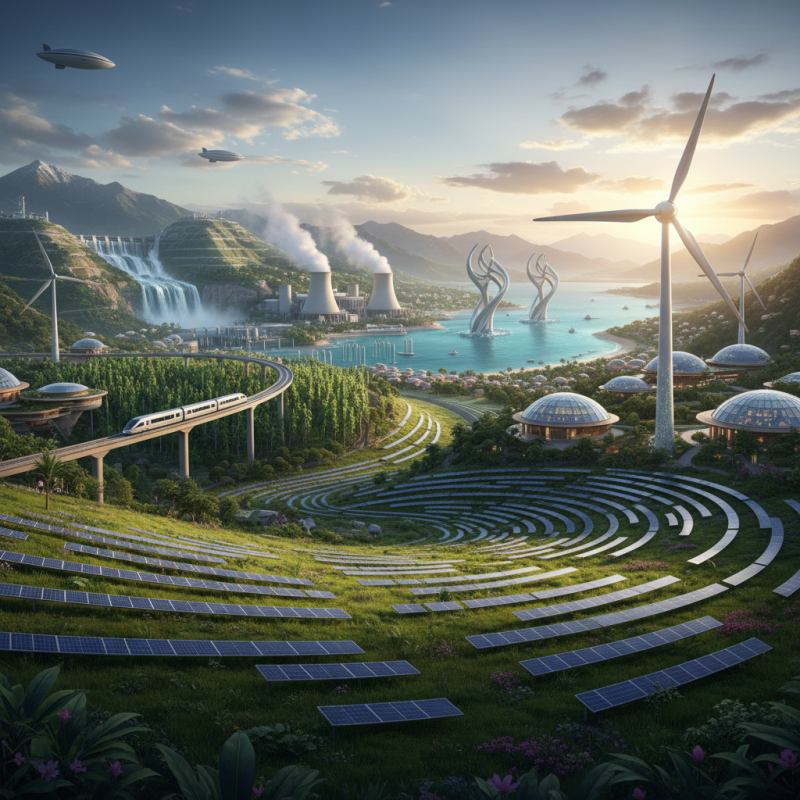
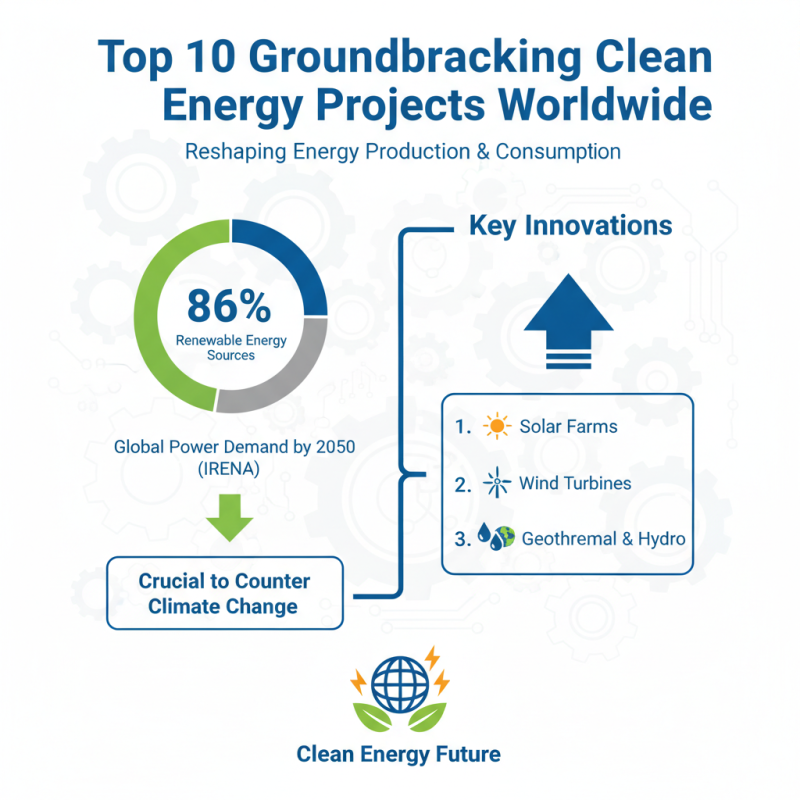
Clean energy projects are transforming the world, providing sustainable solutions for our energy needs. These initiatives aim to reduce carbon footprints and combat climate change. From solar farms to wind turbines, clean energy technologies are advancing rapidly.
Innovative projects emerge daily, driven by passionate teams and visionary leaders. Each project showcases unique approaches to utilizing natural resources. However, challenges remain. Balancing technological progression and environmental preservation is crucial. Missteps can arise, affecting local ecosystems and communities.
The future relies on these clean energy projects. They offer hope for a healthier planet and an improved quality of life. Yet, ongoing evaluation is essential. Understanding both successes and limitations will shape effective policies and inspire future innovations.
Overview of Clean Energy and Its Global Importance
Clean energy is transforming the global landscape. It plays a critical role in addressing climate change and reducing carbon footprints. According to the International Renewable Energy Agency (IRENA), renewable energy sources made up over 29% of global electricity generation in 2020. This shift is essential in maintaining a sustainable future.
The expansion of clean energy projects is paramount. Wind and solar technologies alone are projected to create 24 million jobs globally by 2030, as estimated by the International Labour Organization (ILO). Despite this progress, challenges remain. Transitioning entirely to renewable sources is complex. Not all regions have equal access to resources or technology. Some countries still rely heavily on fossil fuels, raising concerns about energy equity and justice.
Global investments in clean energy reached $500 billion in 2020. However, these projects often face hurdles such as regulatory issues and funding gaps. Addressing these obstacles is crucial for a more significant impact. Stakeholders must prioritize collaboration and innovation to unlock the full potential of clean energy solutions. Ultimately, the quest for sustainable energy is not without its flaws, but the potential benefits are enormous.
Key Innovations in Clean Energy Technology
Innovations in clean energy technology are transforming our approach to sustainability. Solar panels have become more efficient, harnessing sunlight even on cloudy days. These advancements reduce costs and increase accessibility for communities worldwide. Wind turbines are now quieter and more efficient, allowing them to be placed in urban areas without disrupting local life. The integration of smart grids optimizes energy distribution, minimizing waste.
Energy storage solutions are essential for a more reliable energy supply. Battery technology is rapidly improving, enabling longer-lasting storage at lower costs. However, scaling up production poses environmental challenges. Some materials used in batteries can be difficult to source sustainably.
Investments in hydrogen fuel technologies show promise. Hydrogen can power vehicles without emitting greenhouse gases. Yet, current methods of hydrogen production often rely on fossil fuels. This highlights the need for cleaner methods to ensure its environmental benefits. These innovations indicate the shift towards a more sustainable future but also remind us of the complexities involved.
Top 10 Clean Energy Projects Changing the World Today
| Project Name |
Location |
Technology Type |
Capacity (MW) |
Year Established |
Impact (CO2 Reduction) |
| Solar Park A |
USA |
Solar |
300 |
2019 |
500,000 tons/year |
| Wind Farm B |
Germany |
Wind |
250 |
2020 |
400,000 tons/year |
| Hydro Plant C |
Canada |
Hydroelectric |
450 |
2018 |
600,000 tons/year |
| Geothermal Project D |
Iceland |
Geothermal |
100 |
2017 |
150,000 tons/year |
| Biomass Facility E |
Brazil |
Biomass |
150 |
2021 |
200,000 tons/year |
| Tidal Project F |
UK |
Tidal |
30 |
2022 |
50,000 tons/year |
| Solar Roofs G |
Australia |
Solar |
200 |
2023 |
300,000 tons/year |
| Nuclear Fusion H |
France |
Nuclear |
500 |
2025 |
1,000,000 tons/year |
| Smart Grid I |
Japan |
Smart Technology |
N/A |
2024 |
650,000 tons/year |
| Energy Storage J |
China |
Battery Storage |
400 |
2026 |
800,000 tons/year |
Impact of Clean Energy Projects on Local Communities
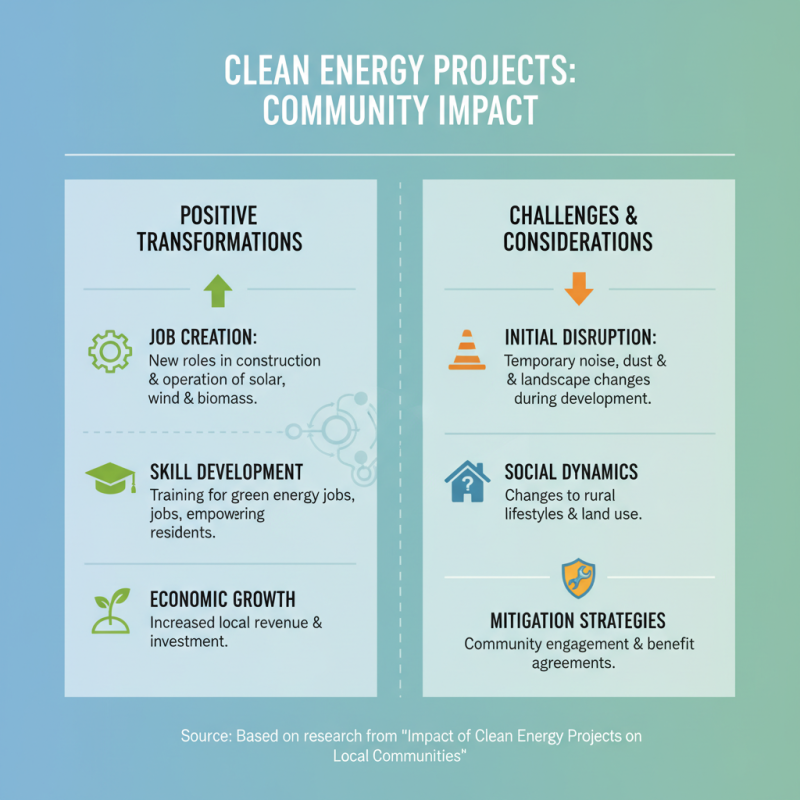
Clean energy projects significantly impact local communities, transforming economic landscapes and social dynamics. Many regions experience job creation as solar farms, wind turbines, and biomass plants emerge. These initiatives often lead to skill development programs, empowering residents with new opportunities. However, challenges also arise. Some communities face initial disruptions during project development, affecting local lifestyles.
The environmental benefits of clean energy projects are evident. They reduce pollution and foster healthier living conditions. Yet, the transition is not always smooth. Local resistance can occur due to concerns about land use or visual impact. Addressing these issues requires transparent communication and community engagement. Ongoing dialogue helps to balance development and the values cherished by community members.
Moreover, clean energy initiatives often drive innovation, leading to technology advancements. While these advancements present benefits, they can also create disparities. Smaller communities might struggle to access resources compared to urban areas. Bridging this gap is essential. Local governments and organizations must collaborate to ensure equitable distribution of the advantages clean energy projects bring.
Future Trends in Clean Energy Development and Policy
The clean energy sector is rapidly evolving. Recent data from the International Energy Agency indicates that renewable energy sources will contribute 95% of the net increase in global power capacity by 2026. This shift is driven by advancements in technology and growing policy support for clean energy initiatives.
Governments around the world are setting ambitious targets. For example, several countries aim for net-zero emissions by 2050. However, challenges remain. Infrastructure development often lags, hampering progress. Additionally, the transition to renewables can disrupt local economies dependent on fossil fuels.
Tip: Stay updated on local energy policies. Engaging in community discussions can promote better decision-making. Understanding the balance between clean development and potential disruption is essential.
The future of clean energy hinges on collaboration. Public and private sectors must work together. A report by the Global Renewable Energy Agency shows investment in clean technologies is vital for achieving these goals. Yet, the complexities of transitions must be openly discussed. Transparency in these processes builds public trust and drives momentum.