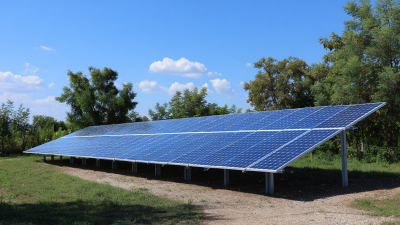
Exploring Future Careers in Renewable Energy Through Engaging Courses
As the global demand for sustainable solutions continues to rise, the importance of renewable energy courses has never been more significant. These courses not only provide foundational knowledge about various energy sources such as solar, wind, and bioenergy but also equip students with practical skills essential for addressing the challenges of climate change and energy security. By exploring future careers in renewable energy through engaging and comprehensive curricula, students can discover pathways that align their passions with a critical societal need. Whether they are seeking roles in engineering, policy-making, or technology development, the opportunities in this dynamic field are vast and varied. Ultimately, renewable energy courses play a crucial role in shaping the next generation of innovators and leaders who will drive the transition towards a sustainable energy future.
Emerging Roles in Renewable Energy: Understanding Sector Demand and Growth Trends
The renewable energy sector is experiencing unprecedented growth, driven by increasing demand for sustainable solutions to climate change. According to the International Renewable Energy Agency (IRENA), global renewable energy jobs reached 12 million in 2020 and are projected to surge to 24 million by 2030, reflecting a compound annual growth rate of 8% (IRENA, 2021). This growing workforce will need to fill emerging roles in areas such as solar PV installation, wind energy technology, and green energy project management, signifying a shift in employment opportunities that prioritize environmental sustainability.
Understanding the current trends within this dynamic industry is crucial for future professionals. The U.S. Bureau of Labor Statistics (BLS) reports that employment in wind turbine service technicians is expected to grow by 61% from 2019 to 2029, significantly faster than the average for all occupations. Additionally, solar photovoltaic installers are anticipated to see a job growth rate of 51% during the same period. These statistics highlight not only the escalating demand for skilled professionals but also the diverse roles that individuals can explore within the sector, making it an exciting field for those looking to make a meaningful impact on the planet.

Innovative Curriculum Design: Key Courses Shaping Future Renewable Energy Professionals
The emergence of renewable energy as a cornerstone of global sustainability has necessitated a transformative approach to education.
Innovative curriculum design plays a pivotal role in shaping the next generation of renewable energy professionals.
Courses that integrate practical applications with theoretical foundations are essential.
For instance, modules that focus on solar technology, wind energy systems, and energy storage provide students with not only knowledge but also hands-on experience.
Collaborations with industry leaders can further enrich these courses, ensuring that students receive training aligned with real-world challenges.

Moreover, interdisciplinary courses that combine engineering, environmental science, and policy studies are crucial for fostering a holistic understanding of renewable energy.
These programs encourage critical thinking and problem-solving, essential skills for navigating the complexities of energy systems.
Courses that emphasize project-based learning allow students to engage in innovative solutions, preparing them to spearhead advancements in energy efficiency and sustainability.
As educational institutions adapt their curricula, the integration of emerging technologies and sustainable practices will empower future professionals to tackle the urgent challenges posed by climate change and energy transition.
Green Energy Technology: Skills Needed for Careers in Solar, Wind, and Biomass Energy
As the world increasingly shifts towards sustainable practices, the demand for skilled professionals in the renewable energy sector is skyrocketing. According to the International Renewable Energy Agency (IRENA), the number of people employed in renewable energy globally reached a staggering 11.5 million in 2018, with projections indicating that this number could double by 2030. This expansion highlights the pressing need for specialized training and education in green energy technologies, particularly in solar, wind, and biomass energy.
To thrive in this evolving landscape, individuals must acquire a diverse skill set tailored to each renewable energy domain. For instance, those pursuing careers in solar energy will benefit from knowledge of photovoltaic systems, energy efficiency measures, and regulatory compliance. In contrast, professionals focusing on wind energy should be adept in turbine operation and maintenance, as well as data analysis related to wind patterns and environmental impacts. Furthermore, the U.S. Bureau of Labor Statistics reports that jobs in renewable energy, including positions in biomass energy, are expected to grow by 11% from 2018 to 2028, outpacing many traditional energy sectors. By enrolling in engaging courses that cover these critical skills, aspiring professionals can position themselves at the forefront of the green energy revolution.
Exploring Future Careers in Renewable Energy Through Engaging Courses
| Course Name |
Skills Developed |
Career Opportunities |
Course Duration |
Certification |
| Solar Energy Systems |
Photovoltaic design, system installation |
Solar Technician, Energy Consultant |
8 weeks |
Completion Certificate |
| Wind Energy Fundamentals |
Turbine mechanics, energy conversion |
Wind Farm Manager, Project Engineer |
10 weeks |
Professional Certification |
| Biomass Energy Solutions |
Biomass processing, sustainability practices |
Biomass Technologist, Policy Analyst |
12 weeks |
Verified Certificate |
| Energy Storage Technologies |
Battery systems, grid integration |
Energy Storage Engineer, Systems Analyst |
6 weeks |
Certificate of Achievement |
Industry Partnerships: Collaborations Between Educational Institutions and Renewable Energy Firms
The collaboration between educational institutions and renewable energy firms is essential for fostering innovation and sustainability in the industry. A recent partnership between a leading technology company and a prominent university in Thailand exemplifies how academia and the private sector can unite to address pressing environmental challenges. By pooling resources and expertise, they aim to develop new programs and initiatives that will prepare students for future careers in renewable energy, ensuring they possess the skills and knowledge necessary to thrive in this dynamic field.
Furthermore, these industry partnerships can enhance research capabilities, leading to transformative advancements in renewable energy technologies. By engaging in collaborative research, educational institutions and firms can tackle complex issues that affect both local communities and the broader environment. For instance, partnerships in regions like Tanzania highlight the potential for creating off-grid energy solutions that not only provide sustainable power but also generate employment opportunities. Such alliances are crucial as they combine the innovative spirit of academia with the practical experience of industry, driving forward the transition to a more sustainable future.
The Importance of Certification Programs: Enhancing Career Prospects in Renewable Energy Fields
As the shift towards renewable energy accelerates, the importance of certification programs in enhancing career prospects becomes increasingly evident. Green jobs are at the forefront of this transformation, aligning economic growth with sustainable practices and creating diverse opportunities. A report indicates that by 2025, the demand for sustainability certifications is expected to rise significantly, with over 64 distinct programs aimed at bridging the skills gap in the industry. These certifications not only enhance an individual's knowledge base but also improve employability in a competitive job market that increasingly favors candidates with specialized training.
Moreover, industries such as construction and renewable energy are witnessing a surge in job creation, with clean energy roles becoming some of the fastest-growing career paths. Programs that provide practical training and work experience have shown impressive outcomes, with some institutions boasting up to 100% placement rates in wind energy jobs. This trend underscores the vital role that educational institutions and certification programs play in preparing a capable workforce for the future, ensuring that individuals are equipped with the skills necessary to thrive in the evolving landscape of renewable energy.