What is the Future of Energy Projects in Sustainable Development?
The future of energy projects plays a crucial role in sustainable development. As countries strive to meet climate targets, the demand for renewable energy is growing. According to the International Renewable Energy Agency (IRENA), global renewable energy employment reached 11.5 million jobs in 2018 and continues to expand. This trend highlights the potential of energy projects to drive economic growth and reduce carbon emissions.
However, challenges persist. The transition to renewable sources requires significant investment and infrastructure development. A report from the International Energy Agency (IEA) indicates that energy transitions will require around $4 trillion per year by 2030. Achieving this will not be easy. Many regions face financial constraints that hinder investments in energy projects.
Additionally, the need for a stable regulatory environment is vital. Without clear policies, investors may hesitate to fund new projects. Engaging local communities is crucial for success. Projects must respect local needs and concerns. Balancing technological advancement with social responsibility remains a challenge for energy projects in sustainable development.
The Role of Renewable Energy in Sustainable Development Goals
Renewable energy plays a crucial role in achieving sustainable development goals (SDGs). The International Renewable Energy Agency (IRENA) states that renewable energy could support 24 million jobs by 2030. This growth is vital for economic stability. As energy demand increases, fossil fuel reliance continues to pose challenges. Transitioning to clean energy sources is not just necessary. It is urgent.
Solar and wind power have seen significant growth. By 2021, solar energy capacity reached over 800 gigawatts worldwide. This expansion, however, requires substantial investment and infrastructure development. Many regions struggle with energy access, particularly in developing nations. The disparity is concerning. Bridging this gap is essential for equality and sustainability.
Despite progress, there are obstacles. Not all regions have the same potential for renewable energy resources. Policy frameworks and investment climates differ greatly. Critics argue that current efforts often overlook marginalized communities. This creates risks of inequity. Addressing these issues is key to fostering an inclusive energy future.
Technological Innovations Transforming Energy Projects
Technological innovations are reshaping energy projects in
sustainable development. Recent data shows that
renewable energy capacity reached
3,067 gigawatts globally in 2022, a
9.6% increase compared to the previous year. Solar power leads the charge,
while wind energy follows closely behind. These figures depict a clear trend:
investment in cleaner energy sources is rising.
However, challenges persist. The International Energy Agency notes that
over 700 million people still lack
access to electricity as of 2023. This gap highlights the need for improved
energy solutions. Energy storage technologies,
like advanced batteries, are crucial in overcoming
intermittency issues with renewable sources. They enable energy systems to balance
supply and demand effectively.
Digital transformation also plays a vital role. Smart grids enhance energy distribution
efficiency, potentially reducing transmission losses by up to 15%.
Yet, not every region is equipped to implement these technologies swiftly.
Varying infrastructure levels challenge progress. Therefore, while advancements abound,
some areas struggle to keep pace, raising important questions about
equitable access and
sustainability in energy development.
Economic Impacts of Sustainable Energy Initiatives
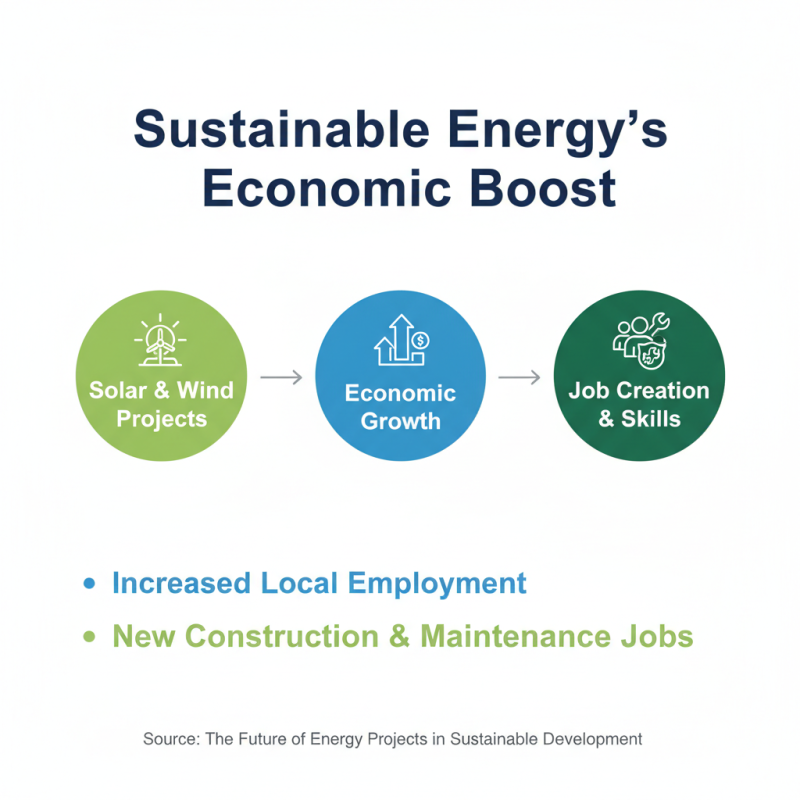
The future of energy projects in sustainable development hinges on their economic impacts. Sustainable energy initiatives, like solar or wind projects, can foster job creation. Local communities often see a boost in employment rates and new skill development. These jobs can vary from construction to long-term maintenance roles.
However, there are challenges to consider. Initial investment costs can deter small businesses or local governments. Not every region has equal access to these resources. Transitioning to renewable energy can also disrupt existing jobs in traditional sectors. This often creates resistance to change, reflecting the need for a balanced approach.
Tips: Collaborate with local stakeholders. Their insights can enhance project viability. Educate communities about the benefits of sustainable energy. Awareness can encourage public support, easing the transition process. Focus on creating adaptable training programs. This ensures that workers are ready for emerging job opportunities in a green economy.
Challenges and Barriers to Implementing Energy Projects
The journey towards sustainable energy projects faces numerous challenges. According to a 2022 report from the International Energy Agency, over 800 million people still lack access to electricity. This highlights a glaring need for energy solutions. However, financing remains a significant barrier. Many projects struggle to secure adequate funding, which stymies their potential for widespread impact.
Technological hurdles also exist. Renewable technologies are not uniformly distributed across regions. Developing countries often lag in access to advanced energy solutions. This leads to a reliance on outdated systems. Policymakers must address these gaps. Greater investment in technology transfer and training can empower these nations.
Tips: Engage local communities early on. Their input can shape projects to be more effective. Building trust is vital. Also, consider the environmental impacts. Projects must not only be sustainable but also ecologically sound.
Despite these barriers, the fight for sustainable energy continues. Data from the UN indicates that clean energy investment needs to exceed $2 trillion per year by 2030. Yet, many regions are falling short of this goal. The disparity between ambition and reality must be acknowledged and addressed.
What is the Future of Energy Projects in Sustainable Development? - Challenges and Barriers to Implementing Energy Projects
| Dimension |
Description |
Impact Level |
Examples |
| Policy Framework |
Government regulations and incentives that support or hinder project implementation. |
High |
Tax incentives for renewable energy. |
| Financial Viability |
Availability of funding and investment for energy projects. |
Medium |
Public-Private Partnerships. |
| Technological Advancements |
Innovation and development of new technologies for energy efficiency. |
High |
Smart grids and energy storage solutions. |
| Public Awareness |
Understanding of sustainability issues and support for energy projects. |
Medium |
Community engagement initiatives. |
| Environmental Concerns |
Impact of energy projects on local ecosystems and biodiversity. |
High |
Reforestation projects alongside energy installations. |
| Regulatory Challenges |
Complexities in compliance with laws and obtaining permits. |
High |
Navigating multi-level government regulations. |
Future Trends in Global Energy Policies and Sustainability
The global energy landscape is changing rapidly. According to the International Energy Agency (IEA), renewable energy sources will comprise 30% of the global mix by 2025. This shift is vital for sustainable development. However, the transition is not without hurdles. Investment in renewables faces challenges like infrastructure and political will. Local opposition can stall critical projects, impacting timelines.
Countries are adopting diverse policies to promote clean energy. The United Nations reports that over 100 nations have committed to net-zero emissions by 2050. Yet, data from the World Economic Forum shows that only 15% of capital is currently directed toward sustainable projects. This gap raises questions about priorities. Achieving sustainability requires urgent attention to financing and technology transfer.
Public awareness is growing. Surveys indicate that 70% of people prioritize renewable energy over fossil fuels. Yet, implementation often lags behind public sentiment. Many communities experience energy poverty, despite abundant resources. There’s a clear need to bridge the gap between policy frameworks and societal expectations. Reflections on energy equity are essential for true sustainability.
Future Trends in Global Energy Policies and Sustainability