Exploring the Future of Wind Energy in 2026 Top Trends and Innovations?
As we look toward 2026, wind energy is poised to play a crucial role in the global energy transition. According to the Global Wind Energy Council (GWEC), by 2026, global wind capacity could reach over 1,100 GW, representing a significant increase from today’s benchmarks. This remarkable growth reflects investments in technology and infrastructure to harness wind more effectively.
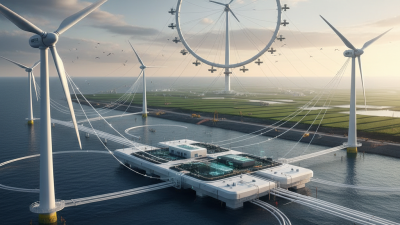
Innovations like floating wind farms and advanced turbine designs are driving this sector forward. These developments promise to reduce costs and enhance energy efficiency. For instance, floating turbines allow for energy generation in deeper waters, where winds are stronger and more consistent. However, challenges remain, including the need for improved storage solutions and grid integration.
Stakeholders must confront these issues to realize the full potential of wind energy. Continued research and development are necessary to address these hurdles effectively. While the future looks promising, there is a pressing need for collaboration among governments, industries, and communities to navigate uncertainties and maximize wind energy’s impact.
Current State of Wind Energy Technology in 2026
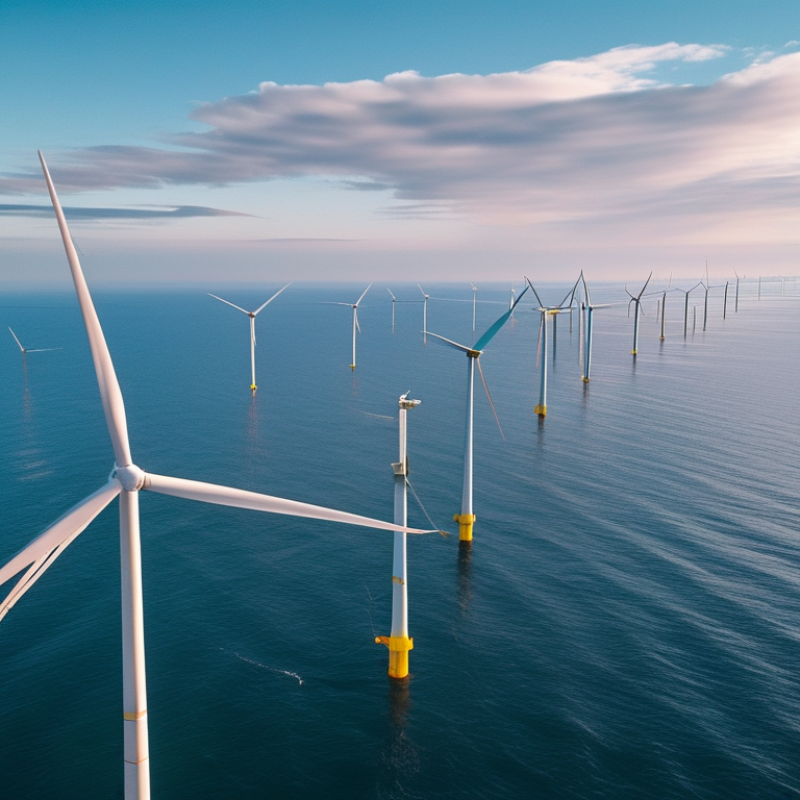
The wind energy sector is rapidly evolving in 2026. New technologies are enhancing efficiency and reducing costs. Advancements in turbine design are crucial. Many turbines now generate more power at lower wind speeds. This is a game changer for areas with less consistent wind.
Moreover, innovations in battery storage are improving energy reliability. Wind energy can now be stored more efficiently for later use. Yet, challenges remain. The integration of wind energy into existing grids continues to pose difficulties. Infrastructure investments are needed to support this transition smoothly.
Furthermore, the materials used in wind turbine construction are changing. Lightweight composites help in reducing the overall weight. This results in easier transportation and installation. Despite these advances, concerns about environmental impacts remain. The balance between growth and sustainability is still an ongoing debate.
Key Innovations Driving Future Wind Energy Solutions
As the world moves toward cleaner energy sources, wind power continues to evolve. Innovations in turbine technology are at the forefront of this evolution. Advanced materials make turbines lighter and stronger. This improvement enhances energy efficiency and lowers costs. New blade designs increase their capacity to harness wind energy. These advancements promise to produce more power with less environmental impact.
Digitalization plays a crucial role in the future of wind energy. Predictive maintenance powered by AI optimizes turbine performance. Sensors collect data, allowing for real-time adjustments. This capability reduces downtime and increases overall efficiency. However, reliance on technology can pose risks. Cybersecurity becomes vital as more systems connect online.
Energy storage solutions are also transforming wind energy. Improved battery technologies can store excess energy for later use. This development addresses the intermittent nature of wind. Yet, challenges remain. Ensuring affordable storage remains a significant hurdle. Exploring innovative financing models could help bridge this gap. Ultimately, the future of wind energy looks promising, but careful navigation of these challenges is essential.
Economic Impacts of Advancements in Wind Energy
The wind energy sector is undergoing rapid growth, reshaping economic landscapes globally. Recent reports indicate that the global wind power market is projected to reach $200 billion by 2026, driven by technological advancements and increased efficiency. The rise of offshore wind farms has also contributed to this growth, potentially creating over 250,000 jobs in the coming years.
Investment in wind energy has significant economic implications. The levelized cost of energy (LCOE) for onshore wind has dropped by 49% since 2009. This reduction enhances the competitiveness of wind energy compared to fossil fuels. However, challenges remain. Supply chain disruptions can increase costs and affect project timelines. Additionally, the integration of wind energy into existing grids requires substantial investment in infrastructure.
Innovations like floating wind turbines and improved storage solutions promise to mitigate some of these challenges. These advancements could lead to more localized energy solutions, reducing reliance on traditional sources. Still, it's crucial for stakeholders to address the possible risks and uncertainties associated with these technologies. Economic resilience in this sector depends on careful planning and adaptability in the face of change.
Regulatory Framework Influencing Wind Energy Growth
The regulatory landscape for wind energy is evolving rapidly.
Governments worldwide recognize the importance of renewable energy. In fact, the Global Wind Energy Council reported that wind energy capacity reached 743 GW in 2022. By 2026, this capacity is expected to expand dramatically, driven by supportive regulations.
Policies play a crucial role in this growth. Incentives, tax breaks, and renewable energy mandates are essential. The International Renewable Energy Agency (IRENA) indicates that strong regulatory frameworks pushed the levelized cost of energy from wind to record lows. However, inconsistencies in regulations can create uncertainties for investors. In some regions, outdated policies hinder progress and limit innovation.
Furthermore, public acceptance is a significant factor. Evolving regulations must address community concerns effectively. Legislation that encourages local participation can lead to more successful projects. A 2023 report forecasts that robust engagement will enhance project viability. The challenge remains to balance regulatory support with the need for sustainability and local impact.
Environmental Considerations in Wind Energy Development
Wind energy holds immense potential for a sustainable future. However, environmental considerations in its development demand careful evaluation. The installation of wind turbines can impact local ecosystems. Birds and bats may collide with turbine blades. This concern highlights the need for site assessments before development.
Noise pollution is another factor. Wind farms create sound that may disturb nearby habitats. Low-frequency sounds can affect both animals and humans. Addressing these issues requires innovative solutions. Technology can help reduce noise and minimize ecological disruption.
Moreover, the production of wind turbines poses environmental challenges. Manufacturing processes consume resources and generate waste. Recycling old turbine materials could alleviate this burden. Collaboration among stakeholders is essential to create responsible practices. Balancing energy needs with environmental stewardship is crucial for future growth.