Harnessing Green Energy Project Innovations for a Sustainable Future
In an era where climate change poses a critical threat to our planet, the pursuit of sustainable energy solutions has never been more pressing. According to the International Renewable Energy Agency (IRENA), renewable energy projects could account for up to 86% of the world’s energy needs by 2050, driven by innovations in technology and policy. The green energy project sector, in particular, has seen significant advancements, leading to enhanced efficiency and a reduction in costs associated with solar, wind, and other renewable sources. For instance, the levelized cost of electricity (LCOE) for solar photovoltaics has dropped by over 80% in the last decade, making it one of the most competitive energy sources available today. As these innovations continue to emerge, harnessing the potential of green energy projects not only aligns with global sustainability goals but is essential for fostering a resilient and eco-friendly future. This guide will explore practical strategies for effectively implementing green energy projects, paving the way for a sustainable future.
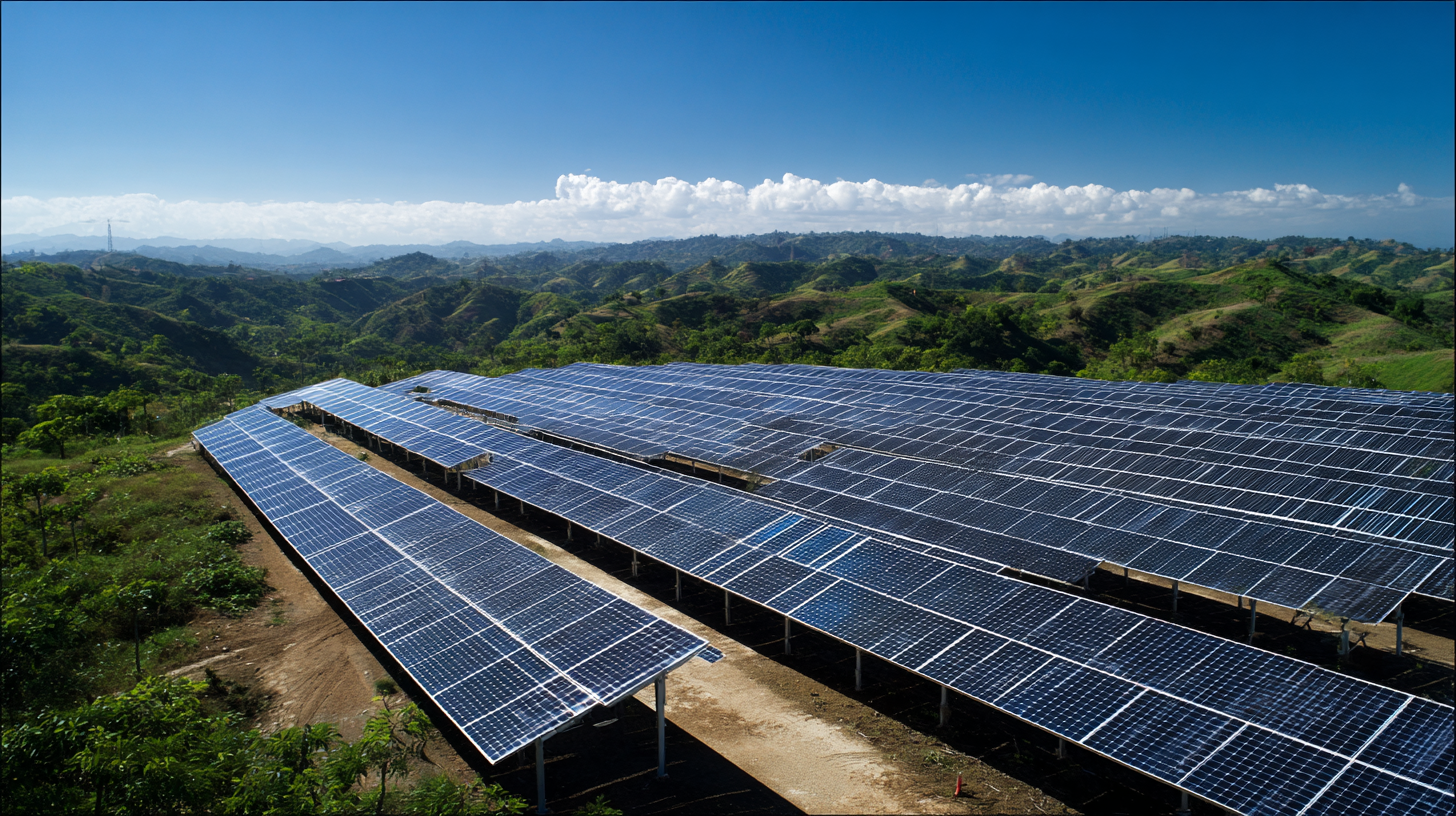
Understanding the Importance of Green Energy Innovations for Sustainable Development
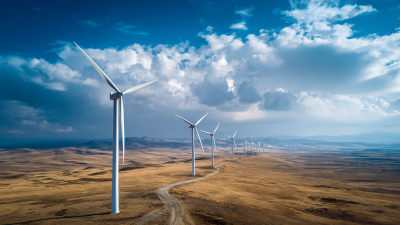
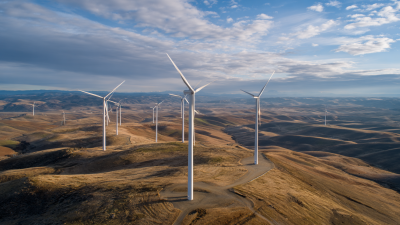
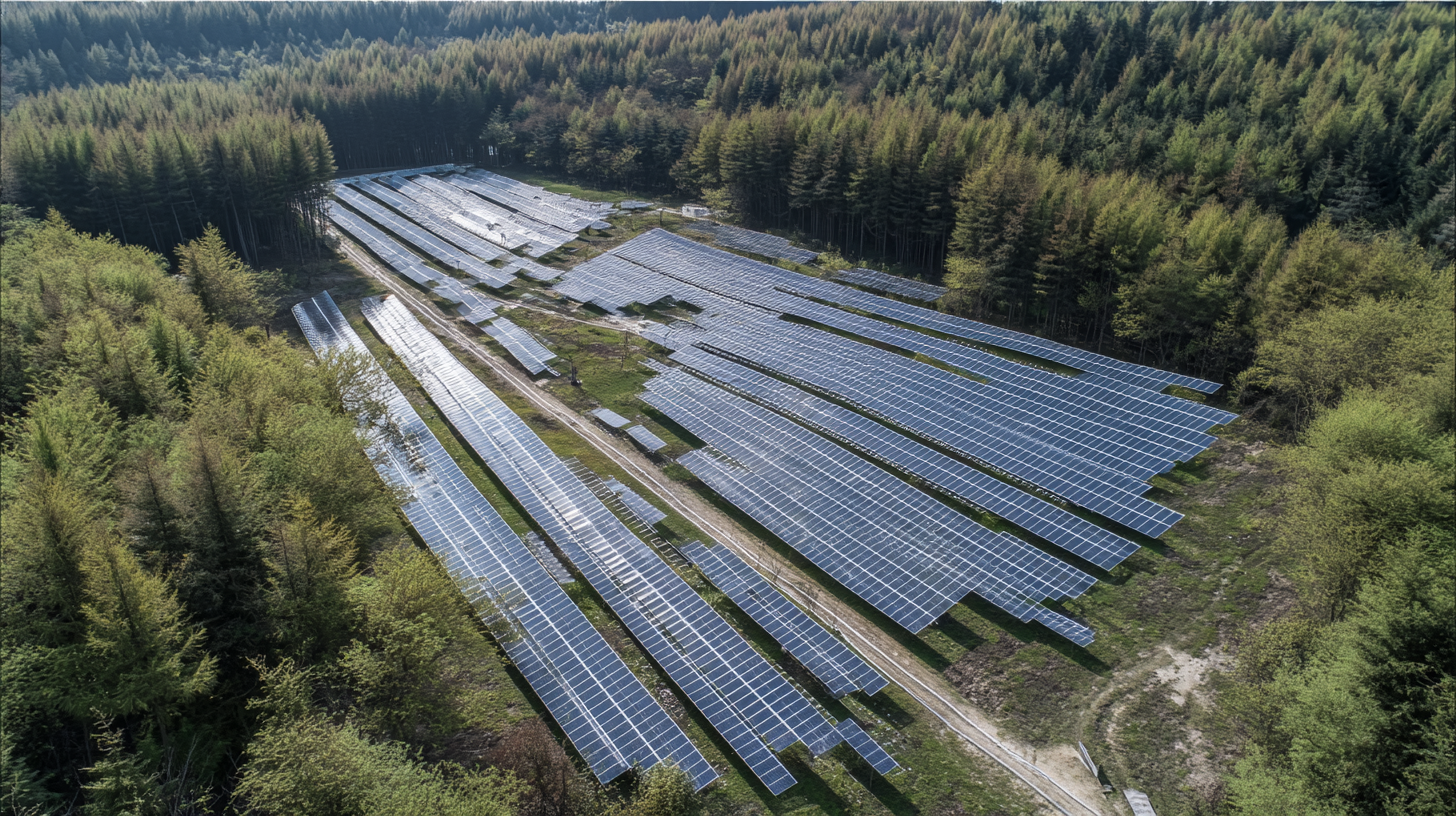
The significance of green energy innovations cannot be overstated in the context of sustainable development. As the world grapples with climate change and the depletion of natural resources, transitioning to sustainable energy sources becomes imperative. Innovations in green energy, such as solar panels, wind turbines, and energy-efficient technologies, have the potential to reduce our carbon footprint significantly while providing the energy needed for future generations. These advancements not only support ecological balance but also contribute to economic growth by creating new industries and job opportunities.
Tips for adopting green energy practices include conducting an energy audit to assess current consumption, investing in renewable energy technologies, and promoting awareness within communities about the benefits of sustainable energy solutions. Businesses and households can also collaborate on community solar projects or wind farms, sharing resources and maximizing energy production. Embracing these innovations not only aids in achieving sustainability goals but also fosters resilience against the uncertainties of fossil fuel markets.
Furthermore, government policies play a crucial role in accelerating the adoption of green energy innovations. By offering incentives for research and development and creating a favorable regulatory environment, policymakers can encourage the growth of sustainable technologies. It’s vital for both individuals and organizations to stay informed and engaged in these developments, ensuring a collective push towards a greener, more sustainable future.
Exploring Breakthrough Technologies in Renewable Energy Solutions
The renewable energy sector has witnessed a surge of groundbreaking technologies aimed at enhancing sustainability and efficiency. According to a report by the International Renewable Energy Agency (IRENA), global renewable energy capacity reached 2,799 GW in 2020, an increase of 9.7% from the previous year. Innovations such as floating solar panels and advanced wind turbine designs are reshaping the landscape of clean energy production. Floating solar installations alone have the potential to contribute over 400 GW by 2030, reducing land use conflicts and optimizing water resources.
Battery storage technology has also seen significant advancements, enabling more reliable energy solutions. The U.S. Energy Information Administration (EIA) notes that the cost of
lithium-ion battery packs has dropped by nearly
90% since 2010, making energy storage more feasible and cost-effective. This reduction is vital in addressing the intermittency challenges of renewables like solar and wind. Furthermore, the implementation of
smart grid technologies is enhancing the integration of these energy sources, presenting solutions that can optimize electricity distribution and consumption in real-time, thus paving the way for a more resilient and sustainable energy future.
Assessing the Economic Benefits of Green Energy Projects for Communities
The economic benefits of green energy projects for communities are increasingly becoming a focal point in discussions about sustainable development. According to the International Renewable Energy Agency (IRENA), the renewable energy sector accounted for around 11.5 million jobs globally in 2018, and this number is projected to grow as governments and private sectors invest in green technologies. For communities, this shift not only boosts local employment but also stimulates regional economies, as money spent on renewable projects tends to stay within the local area rather than leaking out to larger corporations.
Moreover, the deployment of green energy initiatives can significantly enhance local infrastructures. A report by the National Renewable Energy Laboratory (NREL) highlights that for every $1 million invested in renewable energy, approximately 5.65 jobs are created, which in turn fosters ancillary businesses and services, from construction to maintenance. Cash flow generated through local energy projects can also result in increased funding for schools, healthcare, and public services, thus improving the overall quality of life. These financial dynamics underscore the transformative potential of green projects, not just as environmentally sustainable practices, but as catalysts for economic revitalization within communities.
Evaluating Policy Frameworks That Support Green Energy Initiatives
The transition to green energy is pivotal for attaining a sustainable future, and effective policy frameworks are crucial in this journey. According to the International Renewable Energy Agency (IRENA), investments in renewable energy reached a staggering $282 billion globally in 2019. These investments underscore the need for robust policy measures that support green energy initiatives, which can significantly curb greenhouse gas emissions and promote energy independence. Countries that have implemented comprehensive policies, such as feed-in tariffs and renewable portfolio standards, have experienced an increase in renewable energy capacity, vital for combating climate change.
Evaluating successful policy frameworks reveals that collaboration between government, businesses, and communities is essential for the advancement of green energy. The World Resources Institute highlights that nations with clear, long-term energy policies can reduce costs by 30% compared to those without such frameworks. For instance, Germany's ambitious Energiewende policy has propelled its renewable share to over 42% of total electricity generation. By focusing on innovation and technology transfer, policymakers can create an enabling environment that not only attracts investment but also fosters public-private partnerships, driving the global shift towards sustainable energy solutions.
Harnessing Green Energy Project Innovations for a Sustainable Future
| Project Name |
Energy Type |
Location |
Capacity (MW) |
Status |
Support Policy |
| Solar Horizon |
Solar |
California, USA |
150 |
Operational |
Feed-in Tariff |
| Wind Surge |
Wind |
Texas, USA |
200 |
Under Construction |
Renewable Energy Credits |
| Hydro Path |
Hydropower |
Oregon, USA |
100 |
Operational |
Government Grants |
| Geo Heat |
Geothermal |
Nevada, USA |
80 |
Planned |
Tax Incentives |
| Biomass Fusion |
Biomass |
Georgia, USA |
60 |
Operational |
Renewable Portfolio Standards |
Highlighting Successful Case Studies of Green Energy Innovations Worldwide
Innovations in green energy are shaping a sustainable future, as evidenced by numerous successful case studies from around the globe. For instance, Denmark has become a leader in wind energy, generating about 47% of its electricity from wind turbines, according to the Danish Energy Agency. This impressive achievement demonstrates not only the feasibility of large-scale renewable energy production but also the economic benefits. The wind energy sector in Denmark has created thousands of jobs and generated an estimated €1 billion in exports annually.
Another notable example comes from Germany, where the Energiewende initiative aims to transition towards a low-carbon, environmentally sound energy supply. The country has significantly increased its share of renewable energy, rising from 6% in 2000 to over 42% in 2019, as reported by the Federal Ministry for Economic Affairs and Energy. This shift has not only contributed to reducing greenhouse gas emissions but has also spurred innovation in energy efficiency technologies, such as smart grids and energy storage solutions. These case studies highlight the potential for green energy innovations to drive economic growth while addressing pressing environmental challenges.