Harnessing Renewable Energy Solutions for Your Home a Sustainable Future
As the world grapples with the pressing need to combat climate change, the adoption of
renewable energy for home use has emerged as a critical step toward achieving a sustainable future.
According to a report by the International Energy Agency (IEA), renewable energy sources such as solar and wind could supply over
70% of the world's electricity by 2050, significantly reducing greenhouse gas emissions. Homeowners are increasingly
recognizing the potential of harnessing renewable energy not only to reduce their carbon footprint but also to lower energy costs. A study by the
U.S. Department of Energy indicates that residential solar power installations have grown by over
400% since 2010, reflecting a shift in consumer behavior towards sustainable solutions. By transitioning to renewable energy for home use,
individuals can play a pivotal role in creating a cleaner, more resilient energy landscape.
Exploring Different Types of Renewable Energy Sources for Home Use
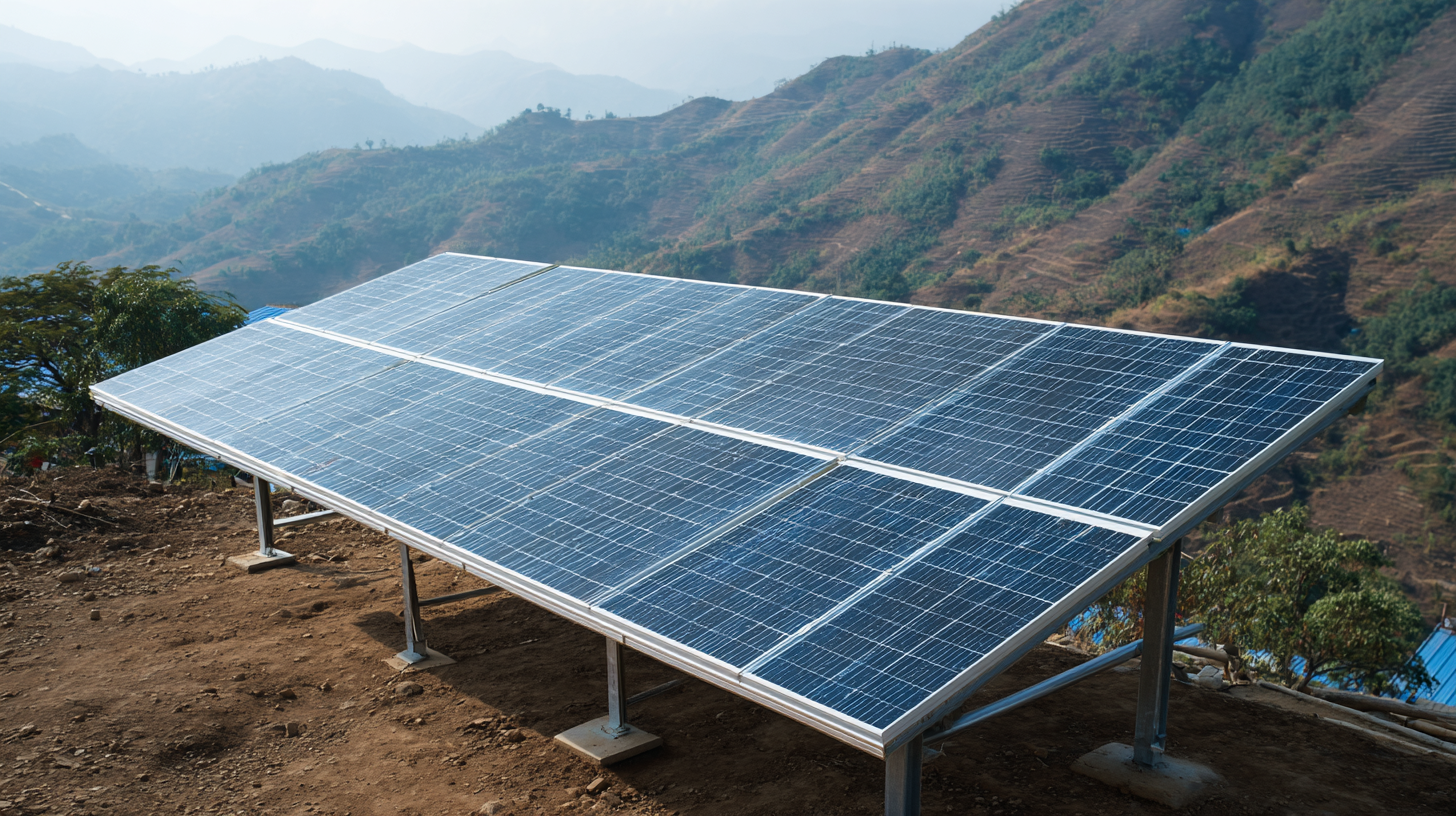
As the world pivots towards a sustainable future, exploring various types of renewable energy sources for home use becomes increasingly vital. Solar energy stands out as a leading option, particularly with advancements such as innovative thin-film solar cells. Researchers in Australia are investigating these new technologies to potentially replace traditional silicon solar panels, which could enhance the efficiency and affordability of solar energy for residential applications.
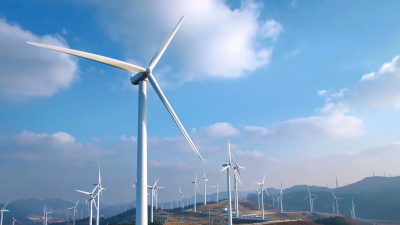
In addition to solar power, wind energy is also gaining traction as an effective renewable source. The integration of wind turbines into energy systems is becoming more commonplace, contributing to clean energy generation and reducing reliance on fossil fuels. With energy consumption patterns evolving, consumers are more inclined to adopt sustainable solutions that not only benefit the environment but also provide cost-effective alternatives in their households. Together, these renewable energy sources pave the way for a greener future, encouraging homeowners to embrace sustainable living.
Assessing Energy Needs: Choosing the Right Renewable Solution for Your Family
When assessing your family's energy needs, choosing the right renewable energy solution is essential for a sustainable future. With the household pump market projected to grow from $18.58 billion in 2024 to $26.92 billion by 2032, it's clear that homeowners are increasingly seeking efficient and eco-friendly options. Renewable technologies like solar panels, wind turbines, and battery storage systems not only reduce carbon footprints but also promise long-term economic benefits.
**Tips:** When deciding on a renewable solution, start by evaluating your household's energy consumption. Understanding your peak usage hours and overall demand will guide you in selecting the most appropriate energy system. Additionally, consider the landscape and climate of your location; for example, areas with consistent sunlight may benefit more from solar energy than wind solutions.
Investing in energy storage is another critical consideration, as the energy storage industry is now integral to modern energy systems. This technology allows excess energy to be stored for later use, enhancing the robustness of your renewable energy setup. Make sure to research different storage options and their capacities to ensure they align with your family's energy consumption patterns.
Harnessing Renewable Energy Solutions for Your Home a Sustainable Future - Assessing Energy Needs: Choosing the Right Renewable Solution for Your Family
| Energy Requirement (kWh/month) |
Suitable Renewable Solution |
Estimated Cost ($) |
CO2 Reduction (tons/year) |
Payback Period (Years) |
| 300 |
Solar Panels |
8,000 |
3.6 |
5 |
| 500 |
Wind Turbine |
10,000 |
4.5 |
6 |
| 700 |
Geothermal System |
15,000 |
5.2 |
7 |
| 900 |
Biomass System |
12,000 |
6.0 |
8 |
| 1100 |
Hybrid System |
18,000 |
7.5 |
9 |
Step-By-Step Guide to Installing Solar Panels on Your Home
Installing solar panels on your home is a significant step toward achieving a sustainable future. To start this process, one must consider the advantages and disadvantages of solar energy systems. In Malaysia, solar panels serve as effective tools for reducing electricity bills, making them a popular choice among homeowners. However, potential buyers should also be aware of challenges such as initial installation costs and the need for maintenance. Understanding these factors is crucial for making an informed decision.

Moreover, with advancements in solar technology, newer systems are being developed to enhance energy efficiency. The latest innovations focus on smart panels that not only harness energy effectively but also integrate local storage solutions, allowing homeowners to maximize their energy consumption. This shift toward smarter energy systems is transforming how households engage with renewable energy, driving them to not just produce energy, but also manage and store it wisely, paving the way for a more sustainable lifestyle.
Incorporating Wind Turbines: How to Harness Wind Energy Effectively
Incorporating wind turbines into your home energy solution not only represents a significant step towards sustainability but also maximizes the use of renewable resources. Wind energy is abundant and can be harnessed effectively with the right technology and positioning. Homeowners should consider installing small-scale wind turbines, which are designed to generate electricity in residential settings. Site selection is crucial; ideally, turbines should be placed in open areas, away from obstructions, and in regions with consistent wind patterns to ensure optimal performance.
To get started, it’s essential to assess your home's energy needs and the wind conditions in your area. Tools such as an anemometer can measure wind speeds to determine if the location is suitable for a turbine. Additionally, integrating energy storage solutions, like batteries, allows homeowners to harness energy during high wind periods and use it when demand peaks. By understanding these factors, you can make informed decisions about the type of turbine to choose and how to position it, ultimately paving the way for a more sustainable future powered by clean energy.
Harnessing Wind Energy: Home Wind Turbine Output
This chart represents the average monthly electricity generation from a residential wind turbine in kilowatt-hours (kWh) over a year. The data reflects typical wind conditions and turbine performance.
Maximizing Energy Efficiency: Tips for a Sustainable Home Environment
Maximizing energy efficiency in your home is essential for fostering a sustainable living environment. One of the simplest yet most effective strategies is to upgrade to energy-efficient appliances. These devices consume significantly less electricity compared to their traditional counterparts, which not only reduces your carbon footprint but also lowers your utility bills. When choosing appliances, look for the ENERGY STAR label, which indicates compliance with rigorous energy efficiency standards.
Another critical aspect involves optimizing home insulation and sealing. Proper insulation in your walls, attic, and floors reduces the amount of heat escaping during winter and keeps your home cooler in the summer. Additionally, ensure windows and doors are properly sealed to prevent drafts. Simple upgrades like adding weather stripping or using heavy curtains can also enhance your home’s thermal efficiency. Together, these improvements not only contribute to a lower environmental impact but also ensure a more comfortable living space year-round.