How to Invest in Clean Energy Projects for Maximum Impact?
Investing in clean energy projects can lead to profound societal benefits. According to the International Renewable Energy Agency (IRENA), the global investment in renewable energy reached about $300 billion in 2021. This significant figure highlights the urgency and potential of the sector. Experts emphasize the importance of thoughtful investment strategies in this rapidly evolving industry.
Dr. Andrew Green, a leading expert in renewable energy finance, once stated, "Strategic investments in clean energy projects can unlock both financial returns and environmental solutions." Mobilizing capital for these projects is crucial. However, not all investments yield maximum impact. Stakeholders must evaluate projects carefully to balance risk and return.
Recent studies point out that while green energy investments are on the rise, the challenge remains. Many projects fail to meet their potential due to lack of rigorous analysis and planning. Engaging in clean energy projects is not just about finances; it’s about creating sustainable futures. Investors should constantly reflect on ways to increase their impact, ensuring a blend of profitability and responsibility.
Identifying Viable Clean Energy Sectors for Investment Opportunities
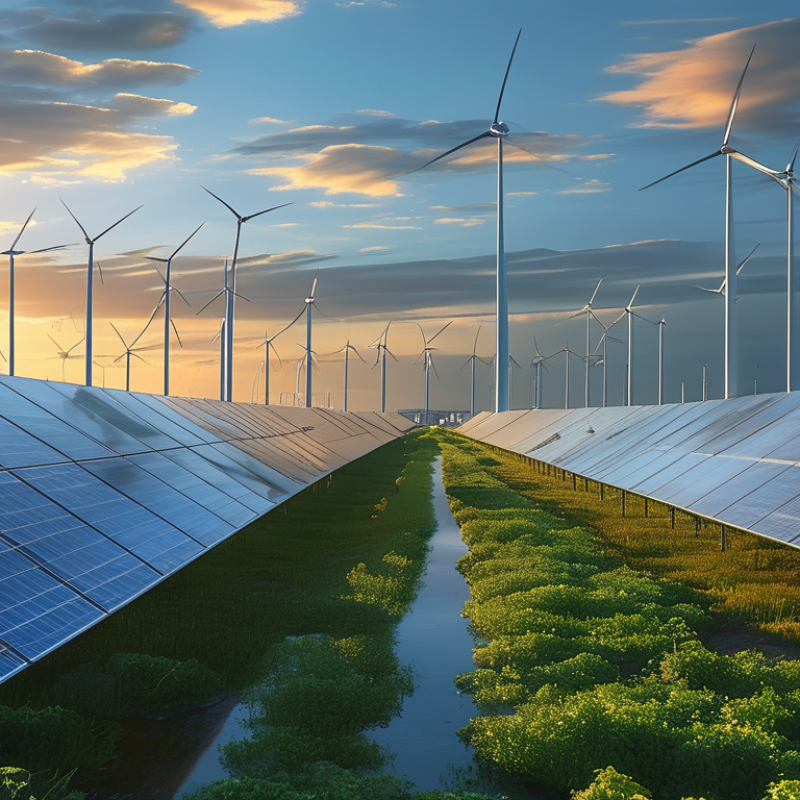
Investing in clean energy requires careful consideration of viable sectors. Solar and wind energy stand out as strong candidates. These areas have evolved rapidly, driven by technological advancements and decreasing costs. Both sectors offer scalable solutions to reduce dependence on fossil fuels. They can provide solid returns while promoting sustainability.
Another promising sector is energy storage. As renewable energy grows, so does the need for effective storage solutions. Companies creating batteries or innovative storage methods are essential for stabilizing supply. The transition to electric vehicles also fuels interest in this sector. With evolving technologies, it's an industry ripe for investment.
However, not all opportunities guarantee success. Market fluctuations affect profitability. Investors must thoroughly research potential projects. Understanding regional regulations and incentives is crucial. Seek partnerships with knowledgeable firms to navigate complexities. Each investment should align with a clear vision for a sustainable future.
How to Invest in Clean Energy Projects for Maximum Impact?
| Sector |
Investment Potential ($ Billion) |
Growth Rate (%) |
Environmental Impact (Tons of CO2 Saved Annually) |
Key Trends |
| Solar Energy |
150 |
20 |
100 million |
Decreasing costs of panels, increased efficiency |
| Wind Energy |
120 |
15 |
80 million |
Offshore wind growth, technological advancements |
| Energy Storage |
90 |
25 |
60 million |
Battery technology improvements, grid reliability |
| Hydroelectric Power |
80 |
5 |
50 million |
Sustainable expansion, eco-friendly projects |
| Geothermal Energy |
50 |
10 |
30 million |
Enhanced drilling methods, increased resource mapping |
Understanding the Financial Models for Clean Energy Projects
Investing in clean energy projects requires a solid understanding of the underlying financial models. Various models assess risk, returns, and the impact of government policies. Developers often use traditional models like cash flow analysis. They help evaluate project viability over time. However, these may overlook the true eco-value the project is generating. Understanding how to integrate environmental impact into financial assessments can enhance investment decisions.
One effective approach is to diversify funding sources. Projects can attract investments through public-private partnerships. This broadens financial support and reduces risks. Engaging with community stakeholders also helps build trust. This can lead to smoother project implementation. Investors should consider the social impact alongside financial returns. This not only boosts brand reputation but also aligns with growing consumer preferences for sustainability.
Investors often overlook the importance of regulatory incentives. Governments may provide tax breaks or grants for clean energy. These financial aids can significantly improve project viability. Staying updated on local policies is crucial for making informed decisions. Assessing the potential for changes in regulations can help mitigate future risks. Failing to do so could lead to unexpected costs or project delays.
Evaluating Environmental and Social Impacts of Projects
Evaluating the environmental and social impacts of clean energy projects is crucial. This assessment helps ensure that investments foster sustainable development. Environmental evaluations often focus on factors like habitat disruption and emissions reduction. Consideration of local wildlife can reveal potential risks that may not be immediately apparent.
Social impacts are equally important. Engaging with local communities is essential for understanding their needs. Projects can disrupt lives and livelihoods. By involving residents early in the process, developers can address concerns. This collaboration helps build trust and minimizes resistance.
While many projects aim for positive outcomes, challenges often arise. For instance, projects might promise green energy but fail to consider the environmental toll of manufacturing. A holistic view should highlight all aspects of development. This can lead to more informed decisions and greater community support. Investing in clean energy requires balancing ambitions with realistic assessments of impacts.
Establishing Partnerships with Stakeholders and Experts
Establishing partnerships is crucial in clean energy projects. Collaborative efforts amplify impact and extend reach. Research from the International Renewable Energy Agency shows that for every dollar invested in clean energy, the return on investment can reach up to $4. Yet, partnerships must be strategic.
Engaging with stakeholders enhances knowledge sharing and resource pooling. Local communities, governments, and NGOs bring valuable insight. Their involvement can lead to innovative solutions that might not surface in isolation. A study by the World Resources Institute emphasized that projects with diverse partnerships saw a 20% increase in effectiveness compared to those lacking collaboration.
However, building strong partnerships isn’t always straightforward. Challenges exist, such as differing organizational goals and communication barriers. It requires continuous effort and understanding. Reflecting on these obstacles is essential for growth. Ensuring alignment in goals and fostering transparency within teams can lead to more effective outcomes. The ultimate purpose is to cultivate an ecosystem where all parties work toward a common vision for sustainable energy.
Tracking and Measuring the Success of Clean Energy Investments
Tracking and measuring the success of clean energy investments is crucial for fostering transparency and accountability. Investors often seek quantifiable metrics to gauge progress. This includes understanding energy output, carbon emissions reduction, and community benefits. Metrics can vary widely among projects. It’s essential to tailor these metrics to reflect specific goals and contexts.
Utilizing tools like energy audits and sustainability reports can provide essential insights. Gathering data over time allows for deeper analysis. However, the process can be challenging. Some projects may initially show promising data, only to fall short later. Continuous evaluation is necessary to ensure investments fulfill their intended impact. Collaborating with local communities can yield vital qualitative data. Engaging with stakeholders helps to illuminate aspects that numbers alone cannot capture.
Measuring success isn’t just about numbers. It requires a holistic view that includes social and environmental factors. Investors may encounter unexpected challenges or barriers, complicating metrics. This necessity for reflecting on lessons learned reinforces the importance of adaptability. Overall, keeping an open dialogue with partners and beneficiaries fosters a more profound understanding of the impact of clean energy investments.