What Are the Most Effective Renewable Energy Sources Today?
The world is increasingly turning to renewable energy sources to combat climate change and reduce carbon footprints. A report by the International Renewable Energy Agency (IRENA) suggests that renewable energy could meet 86% of global power needs by 2050. Solar and wind energy lead the way, making significant strides in both efficiency and affordability.
Dr. Jane Goodwin, an energy policy expert, emphasizes, “Investing in renewable energy sources is crucial for a sustainable future.” This highlights the urgency of integrating clean energy solutions into national grids. Despite this, challenges remain, such as storage and distribution infrastructure.
The rapid growth of renewable energy also poses questions. How can we ensure equitable access to these technologies? And can current investments keep pace with demand? As we explore the most effective renewable energy sources today, it is vital to consider both the opportunities and the hurdles ahead.
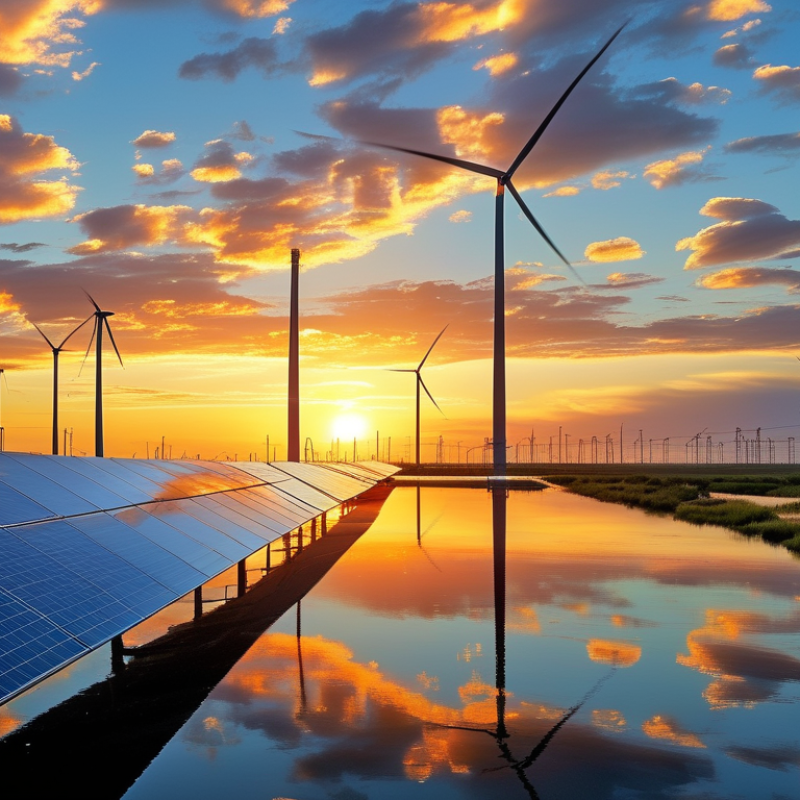
Overview of Current Renewable Energy Sources and Their Efficiency
Renewable energy has become a vital focus due to climate change and resource depletion. Many sources are currently in use, each with varying levels of efficiency.
Solar energy, for example, harnesses sunlight through photovoltaic cells. This technology boasts an average efficiency of about 15-20%. The efficiency of solar panels can vary based on their quality, positioning, and local weather conditions.
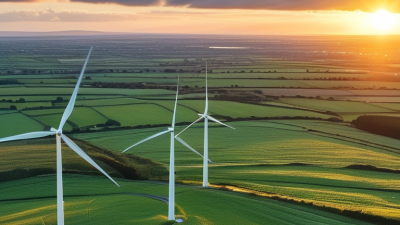
Wind energy is another major contender. Modern turbines can convert approximately 35% of wind energy into electricity. This conversion rate depends on wind speed and turbine design. Interestingly, some regions experience persistent winds, making wind farms particularly effective. However, they can have localized environmental impacts, such as noise and effects on wildlife.
For optimal energy production, consider these tips: Invest in high-quality solar panels for better efficiency. Regular maintenance is crucial to maximize output. When choosing a wind turbine, assess your local wind patterns. Understand that energy needs may fluctuate, leading to inconsistent generation. Continuous learning from energy outputs can guide future decisions.
Comparative Analysis of Solar Power: Trends and Output in 2023
In 2023, solar power continues to lead the renewable energy landscape. As installation costs decline, more households embrace solar technology. Data shows an annual increase in solar capacity. Last year, global solar installations reached unprecedented levels. This growth reflects a shift towards sustainable energy. However, challenges remain.
One significant issue is the intermittent nature of solar energy. It relies on sunlight, making it unpredictable. Regions with less sunlight struggle to maximize output. Energy storage innovations are crucial. Advanced batteries can store excess energy for cloudy days. However, these technologies still face cost barriers.
Moreover, there are environmental concerns regarding solar panel production. Manufacturing can be resource-intensive. Responsible sourcing of materials is essential. Recycling programs are still in development. The industry must address these challenges to remain truly sustainable. Solutions will determine solar power's role in the future energy mix.
Wind Energy Capacity Growth: Key Statistics and Future Projections
Wind energy has emerged as a pivotal force in the global shift toward renewable energy. According to the Global Wind Energy Council (GWEC), global wind power capacity reached approximately 743 gigawatts (GW) by the end of 2022. This remarkable growth equates to a 10.2% increase from the previous year, highlighting the sector's rapid expansion. With projections estimating over 1,130 GW by 2026, it’s clear that wind energy is poised for a significant role in meeting energy demands.
As of 2023, offshore wind is gaining traction, contributing around 24% to total wind capacity. Countries like China and the United States are leading in installations, with China's capacity exceeding 300 GW. Yet, there are challenges, including supply chain constraints and regulatory hurdles. The International Energy Agency (IEA) notes that despite the optimistic forecasts, policy adjustments and technological advancements are crucial. Wind energy must overcome intermittency issues while integrating into existing power grids.
Data suggests that the industry must also address environmental concerns, such as bird and bat mortality rates. Stakeholders are working on innovations to mitigate these impacts, ensuring sustainability remains at the forefront. Continued investment in technology and infrastructure will be vital to harness wind energy fully while balancing ecological responsibilities.
Hydropower's Role in Renewable Energy: Impact and Global Developments
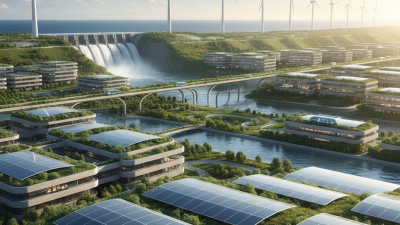
Hydropower is one of the most established renewable energy sources globally. According to the International Renewable Energy Agency (IRENA), hydropower accounts for nearly 16% of the world's electricity generation. Countries like China and Brazil lead in hydropower production, but this source faces challenges. It is crucial to balance energy production with ecological impacts. Dams can disrupt local ecosystems, causing habitat loss for numerous species.
In recent years, innovative technologies have emerged to minimize ecological damage. For instance, small-scale hydropower systems and run-of-the-river projects maintain river flow. The World Bank highlights that these alternatives could help meet energy needs without extensive environmental degradation. While hydropower remains vital, it must evolve to tackle its shortcomings.
When considering hydropower, remember its dual nature. Sustainable practices are essential. Support projects that prioritize environmental preservation alongside energy output. Small-scale technologies can make a significant difference in minimizing harm while providing clean energy. Look for initiatives that engage local communities too. They often hold critical knowledge that fosters sustainable practices.
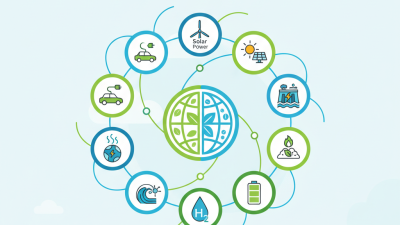
Renewable Energy Sources in 2022
Emerging Technologies in Renewable Energy: Innovations and Market Potential
Emerging technologies in renewable energy are shaping the future of sustainable power. Innovations in solar, wind, and hydro energy are leading the way. New materials enhance solar panel efficiency, making them more accessible for residential use. Vertical wind turbines are becoming common in urban settings. They are less intrusive and can produce significant energy even in low-wind conditions.
Hydrogen fuel cells are gaining attention as a clean alternative. They convert hydrogen into electricity with water as the only byproduct. This technology holds vast potential but still faces challenges. Production methods need improvement to be environmentally friendly and cost-effective.
Consider local resources when exploring renewable solutions. Assess the space you have for solar panels or wind turbines. Small-scale implementations often yield substantial benefits. Reflect on the impact of your energy choices. Efficiency and sustainability are not just about technology; they encompass lifestyle changes too.