What is Renewable Energy and How Does It Impact Our Future?
Renewable energy is becoming a cornerstone of modern society. It is a topic that affects everyone, from individuals to large corporations. With growing concerns about climate change, we need to learn more about renewable energy.
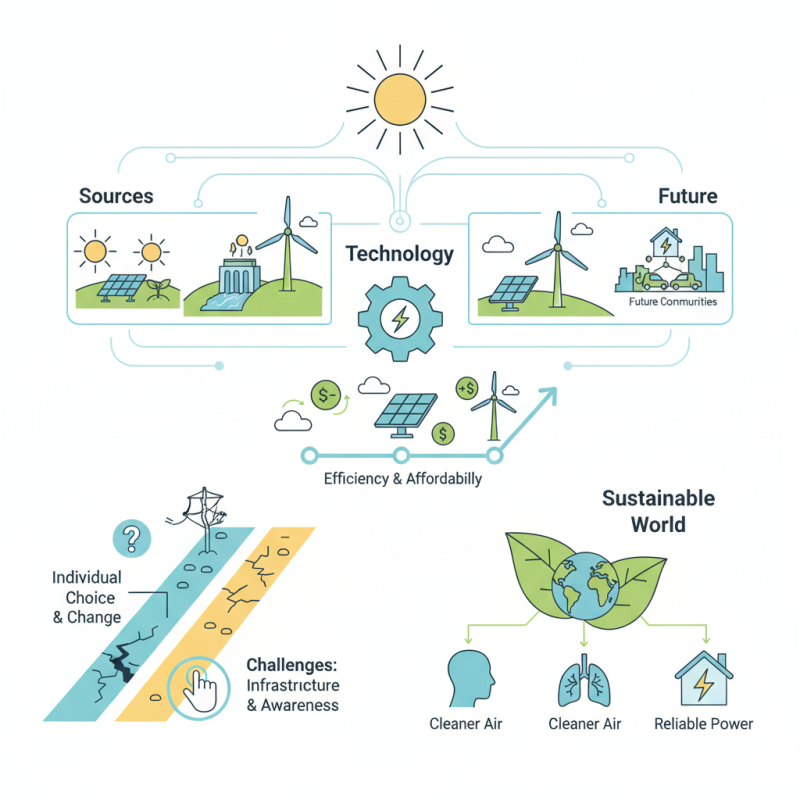
Many people have misconceptions about renewable energy. Some believe it is not reliable or too expensive. However, technology is evolving rapidly. Solar panels and wind turbines are becoming more efficient and affordable. These advancements make it possible to harness natural resources effectively.
The shift towards renewable energy has significant implications for our future. Communities can enjoy cleaner air and sustainable sources of power. Still, there are challenges to overcome. Infrastructure needs upgrading, and public awareness is crucial. Understanding more about renewable energy can drive meaningful change. Each person's choice matters as we look forward to a more sustainable world.
Definition and Types of Renewable Energy Sources
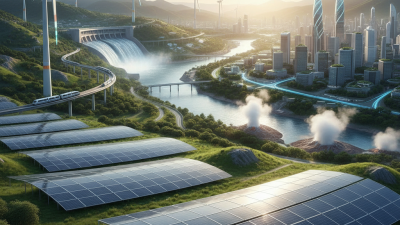
Renewable energy comes from natural sources that replenish themselves. The main types include solar, wind, hydro, geothermal, and biomass. According to the International Energy Agency (IEA), these sources contributed to over 29% of global electricity generation in 2021. This figure is expected to rise significantly as countries pursue cleaner energy solutions.
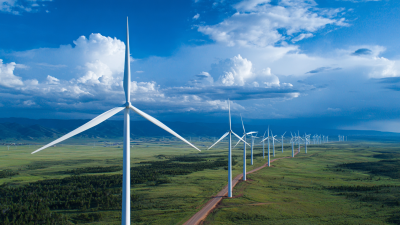
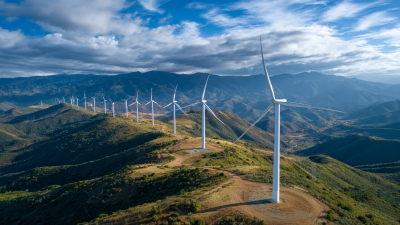
Solar energy is particularly notable. It harnesses sunlight to produce power. In some regions, solar panels are becoming common on rooftops. However, challenges remain, such as storage and efficiency. Wind energy, on the other hand, utilizes turbines to convert wind into electricity. The global wind power capacity reached 837 GW in 2020, yet some areas face opposition due to visual and noise concerns.
Hydropower is another significant source, accounting for about 16% of the world’s electricity. However, large dams can disrupt local ecosystems. Geothermal energy, while effective in specific regions, has limited global applications due to geographical constraints. Each renewable energy type presents unique benefits and obstacles. Balancing these will be essential for a sustainable future.
The Role of Renewable Energy in Combating Climate Change
Renewable energy plays a crucial role in addressing climate change. By harnessing natural resources, such as sunlight and wind, we can significantly reduce greenhouse gas emissions. These emissions contribute to global warming and its severe effects on our planet. Transitioning to renewable sources can help mitigate these issues. However, this shift is not without challenges.
Investing in renewable energy technologies requires substantial financial commitment. Many regions lack the infrastructure to support these advancements. Public awareness and acceptance are also key. Some communities may resist changes due to existing connections with fossil fuels. Understanding the benefits of renewables is essential for widespread adoption.
Moreover, while renewable energy has great potential, not every system is perfect. Solar panels need sunlight, and wind turbines require consistent wind. There are times when these resources may not be available. This intermittency raises questions about reliability. Finding effective storage solutions is vital. We must reflect on our current practices while striving for a cleaner, sustainable future.
Economic Benefits of Investing in Renewable Energy
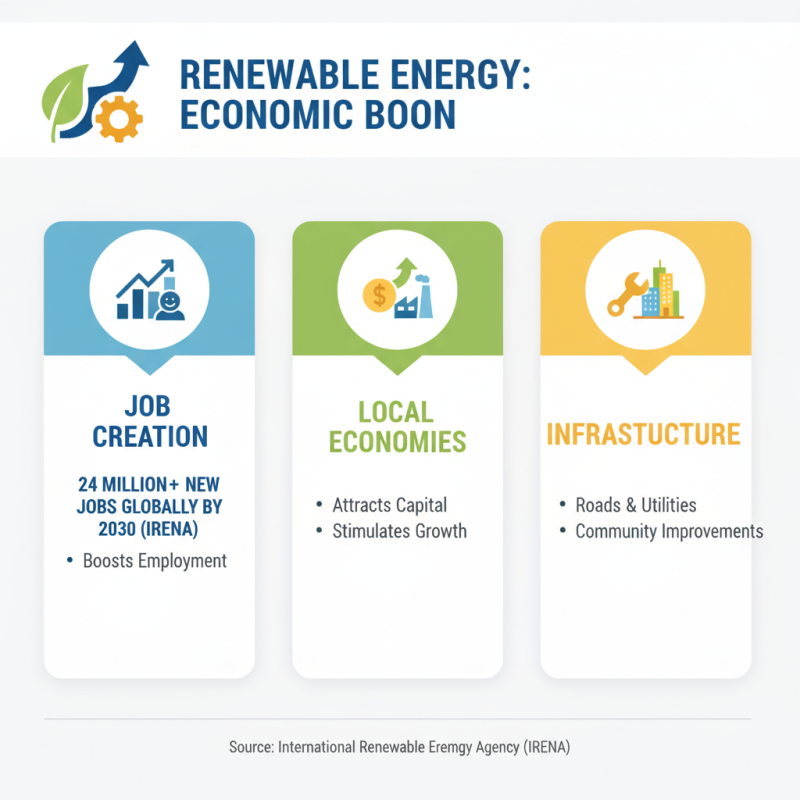
Investing in renewable energy offers significant economic advantages. According to the International Renewable Energy Agency (IRENA), the renewable energy sector could create over 24 million jobs by 2030. This transition not only boosts employment but also stimulates local economies. Communities that invest in wind and solar projects often see an influx of capital, leading to infrastructure improvements.
However, it’s not all straightforward. Initial investment costs can be high. Some regions may struggle to secure funding. The World Economic Forum noted that substantial private and public investment is needed for sustainable growth. Despite these challenges, the long-term savings on energy costs and the financial stability provided by renewables are compelling reasons for investment.
Even with the clear benefits, there are still hurdles to overcome. The reliance on technological advancements means that not all regions will progress at the same rate. Infrastructure needs can vary widely. Not every community can easily transition. This uneven progress could lead to disparities in economic growth. It raises questions about equity and access in the renewable energy landscape. These complexities warrant careful consideration as we plan for a sustainable future.
Technological Innovations Driving Renewable Energy Adoption
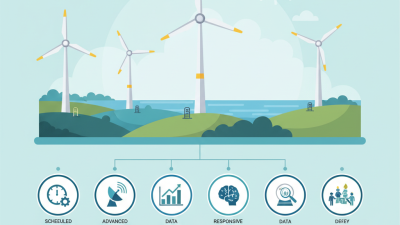
Technological innovations are reshaping the landscape of renewable energy. Solar panels have become more efficient. Wind turbines are now quieter and more powerful. These advancements make renewable options more accessible. What once seemed complex is now simpler. The rise of smart grids means better energy management. They allow for real-time monitoring and adjustments.
Energy storage technology is another game-changer. Batteries are getting cheaper and more effective. This makes it possible to store energy for cloudy days or calm nights. However, the material sourcing for batteries raises concerns. Are we moving towards a sustainable solution?
Decentralized energy generation is also on the rise. More homes are installing solar panels. Community wind farms are becoming common. Yet, not everyone can afford these upgrades. Equity in access to renewable energy remains a challenge. Balancing progress with social responsibility is crucial as we navigate this shift.
Future Trends and Challenges in the Renewable Energy Sector
The renewable energy sector is rapidly evolving. According to the International Renewable Energy Agency (IRENA), the global renewable energy capacity grew by over 10% in 2020. This trend is likely to continue as more countries commit to reducing carbon emissions. However, challenges remain. For instance, energy storage technologies are still in their infancy, limiting renewable sources like solar and wind power.
Technological advancements will shape the future. The Bloomberg New Energy Finance report indicates that renewables could provide 50% of global power by 2050. Yet, production costs must drop further for wide acceptance. Additionally, the integration of renewable sources into existing grids poses numerous technical challenges. Some systems are outdated and ill-equipped for the influx of new energy sources.
Public perception also merits attention. Many people are still skeptical about renewable energy's reliability and efficiency. Furthermore, the workforce must adapt. Skills gaps exist that hinder progress in this sector. Sustainability training programs are critical to overcoming these gaps. As the industry grows, these challenges need more than just innovative solutions. They require a collective commitment to shift perceptions and build a skilled workforce.
Renewable Energy Sources Growth (2010-2023)
This chart illustrates the growth in the production of electricity from various renewable sources over the past decade. The data shows a significant increase in solar and wind energy, highlighting the shifting focus towards sustainable energy sources and their impact on our future.