Why Choose Renewable Energy for Home Benefits and Savings?

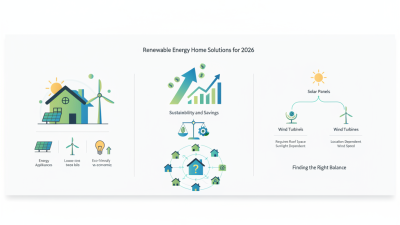
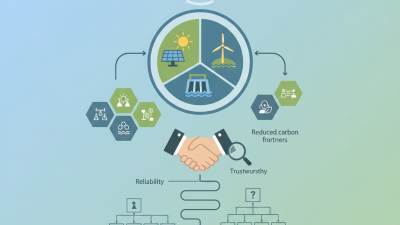
Choosing renewable energy for home use is gaining popularity. Many homeowners seek sustainable solutions to reduce their energy bills. This shift is driven by environmental concerns, rising energy costs, and the desire for energy independence. Renewable energy sources, like solar and wind, offer long-term savings. Utilizing these resources can lead to significant financial benefits.

Investing in renewable energy for home systems is not just about savings. It's a chance to contribute to a greener planet. However, the initial costs can be a barrier for some. Evaluating the return on investment is crucial. Homeowners must consider potential savings against upfront expenses, maintenance, and local regulations.

There are many success stories for those who have embraced this change. Some have seen their energy costs decrease significantly. Others find joy in knowing they are reducing their carbon footprint. Yet, not every experience is perfect. Some face challenges with installation and technology. Reflecting on these aspects can provide valuable insights into adopting renewable energy for home use.
Why Choose Renewable Energy for Home Benefits and Savings?

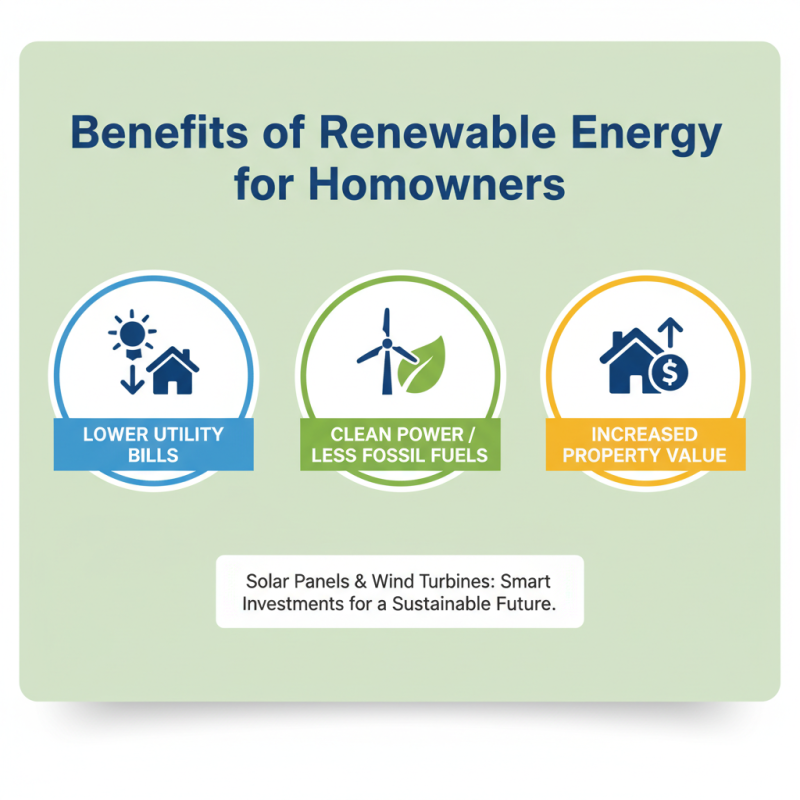
Benefits of Renewable Energy for Homeowners

Why Choose Renewable Energy for Home Benefits and Savings?

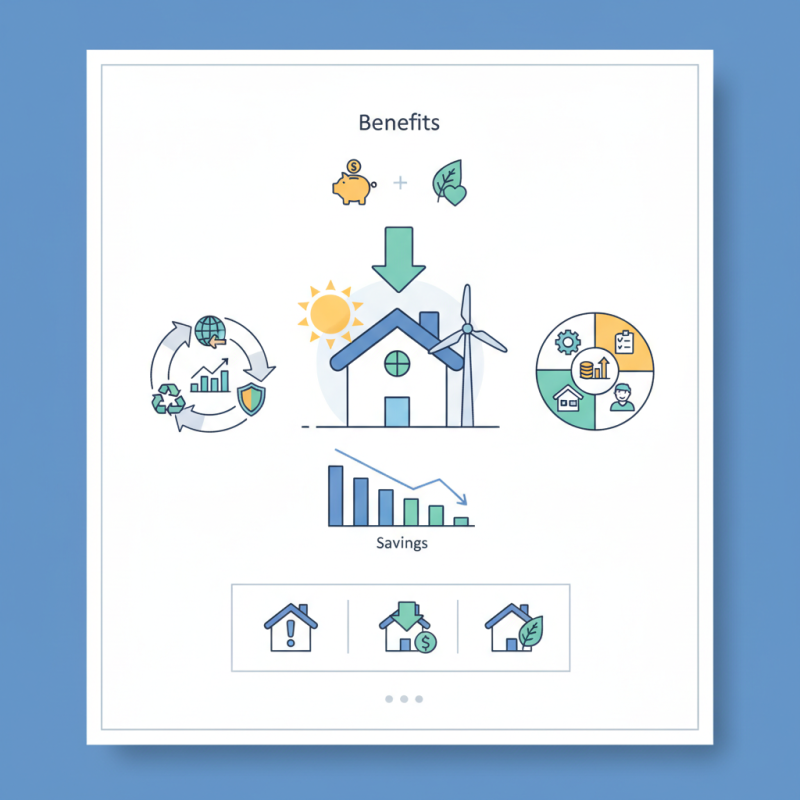
Homeowners today face rising energy costs. Choosing renewable energy can help mitigate these expenses and provide significant benefits. Solar panels and wind turbines offer clean power, reducing reliance on fossil fuels. This shift not only lowers utility bills but also enhances property values.

One overlooked benefit of renewable energy is its positive impact on the environment. When you invest in these technologies, you're reducing greenhouse gas emissions. This action contributes to a healthier planet, which benefits everyone, including future generations. Many homeowners enjoy the satisfaction of making eco-friendly choices.

Tips: Consider starting small. A solar water heater could be a great first step. Also, research local incentives or tax credits for renewable energy. These can significantly offset initial costs. Read up on your options to find what fits best in your home. It's about making informed choices. Reflect on your energy needs regularly, as they may change over time. Being proactive can lead to more savings.

Cost Savings Associated with Renewable Energy Installation

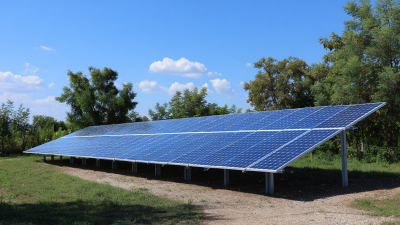
The installation of renewable energy sources at home often leads to significant cost savings. Solar panels, for example, harness sunlight to generate electricity. Over time, they lower monthly utility bills. Homeowners can often see reductions of up to 50% in energy costs. This not only eases financial strain but also provides financial predictability.

Some might worry about the initial investment required for installation. While upfront costs can be high, many incentives are available. Tax credits and rebates can significantly lower the overall expenditure. Additionally, the potential for increasing home value is noteworthy. Properties with renewable systems often attract buyers looking for energy efficiency.

Energy independence is another important factor. Relying on renewable sources can protect against rising energy prices. Homeowners are shielded from the volatility of fossil fuel markets. Despite these advantages, one must consider maintenance costs and system efficiency. Not all renewable energy solutions perform equally. Research and careful planning are essential to ensure the best return on investment.

Cost Savings Associated with Renewable Energy Installation

Environmental Advantages of Using Renewable Energy at Home

The environmental advantages of using renewable energy at home are compelling. According to the International Energy Agency (IEA), homes powered by renewable sources like solar and wind can significantly reduce carbon footprints. A typical household can cut emissions by up to 80% annually by switching to renewable energy.

Using solar panels reduces dependence on fossil fuels. Data from the U.S. Department of Energy indicates that solar energy production can lower greenhouse gas emissions. In 2020 alone, solar power helped avoid approximately 100 million metric tons of carbon dioxide. Such numbers highlight the positive impact of homes embracing renewable sources.

However, some challenges exist. Initial installation costs for solar systems can be high for some families. Maintenance and efficiency can also vary widely. Despite these hurdles, the long-term savings and environmental benefits make renewable energy a worthwhile consideration for households looking to make a difference.

Government Incentives and Support for Renewable Energy Adoption

Government incentives for renewable energy adoption can significantly enhance home benefits. Many regions offer tax credits, rebates, and grants to homeowners. These incentives lower initial costs and encourage the use of solar panels, wind turbines, and energy-efficient appliances. This financial support makes transitioning to renewable energy more accessible.

When considering renewable energy, assess your local policies. Some areas might have stringent regulations or limited incentives. Researching these conditions can prevent unexpected expenses. Every city and state varies in support structures. Take note of deadlines for applying for incentives and ensure you meet them.

Tips: Monitor energy use regularly to understand potential savings. This knowledge can guide your renewable energy choice. Look for community programs that provide guidance on installation and funding options. Collaborating with your neighbors may lead to bulk purchasing discounts for solar panels or wind turbines.

Long-Term Value and Energy Independence from Renewable Sources

Renewable energy sources are gaining traction due to their long-term value. Studies show that homes using solar energy can save up to $20,000 over 20 years. The decrease in installation costs for solar panels has made this option more accessible. Homeowners gain energy independence, reducing reliance on the grid.

Energy independence is not just about savings. It allows homeowners to protect themselves from fluctuating energy prices. A report by the U.S. Department of Energy suggests that renewables could account for 40% of U.S. electricity by 2035, offering a stable energy future. This shift is crucial for mitigating climate change while enhancing local energy production.

**Tip:** Consider energy-efficient appliances to maximize savings. They work best when paired with solar energy systems.

Renewables also contribute to less air pollution. This factor positively impacts community health, though some challenges exist. Integrating renewable energy requires upfront investment, which may deter some homeowners. It's important to reflect on the balance between initial costs and long-term benefits.

Why Choose Renewable Energy for Home Benefits and Savings? - Long-Term Value and Energy Independence from Renewable Sources

Benefit Description Estimated Savings ($/year) Payback Period (Years)
Lower Utility Bills Using solar panels reduces electricity costs. $1,200 5
Increased Home Value Homes with renewable energy systems may sell for more. $15,000 N/A
Tax Incentives Federal and state incentives to encourage renewable energy. $3,000 N/A
Energy Independence Reduction in reliance on fossil fuels for energy. N/A Immediate