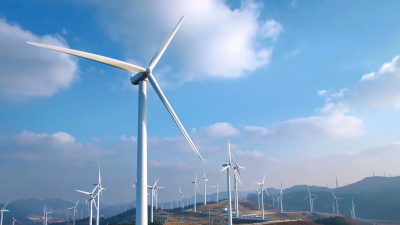
Exploring the Future: How Renewable Power Is Transforming Our Energy Landscape
As the global community confronts the challenges of climate change and resource depletion, the transition to renewable power has emerged as a pivotal component in redefining our energy landscape. According to a report by the International Renewable Energy Agency (IRENA), renewable energy sources accounted for 29% of global electricity generation in 2020, a figure projected to rise significantly in the coming years as countries prioritize sustainability. The recent World Energy Outlook anticipates that renewable energy capacity could grow by over 60% by 2025, driven by technological advancements and decreasing costs. This transformation not only promises environmental benefits but also enhances energy security and promotes economic growth through the creation of millions of jobs in the renewable sector. As we explore the future of energy, it becomes increasingly clear that renewable power is not just a trend but a necessary evolution towards a sustainable, reliable, and resilient energy system.
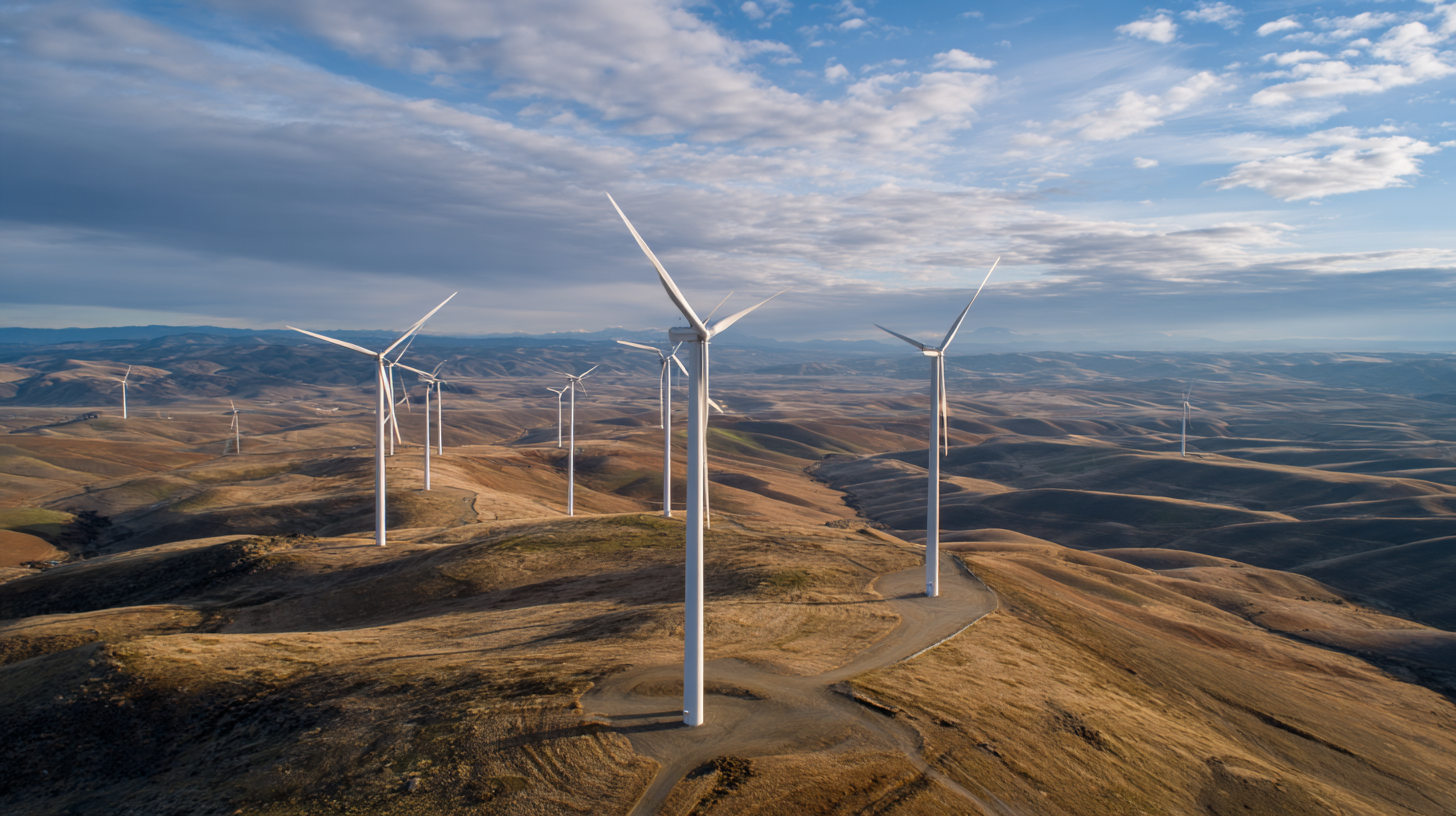
The Shift from Fossil Fuels to Renewable Energy Sources
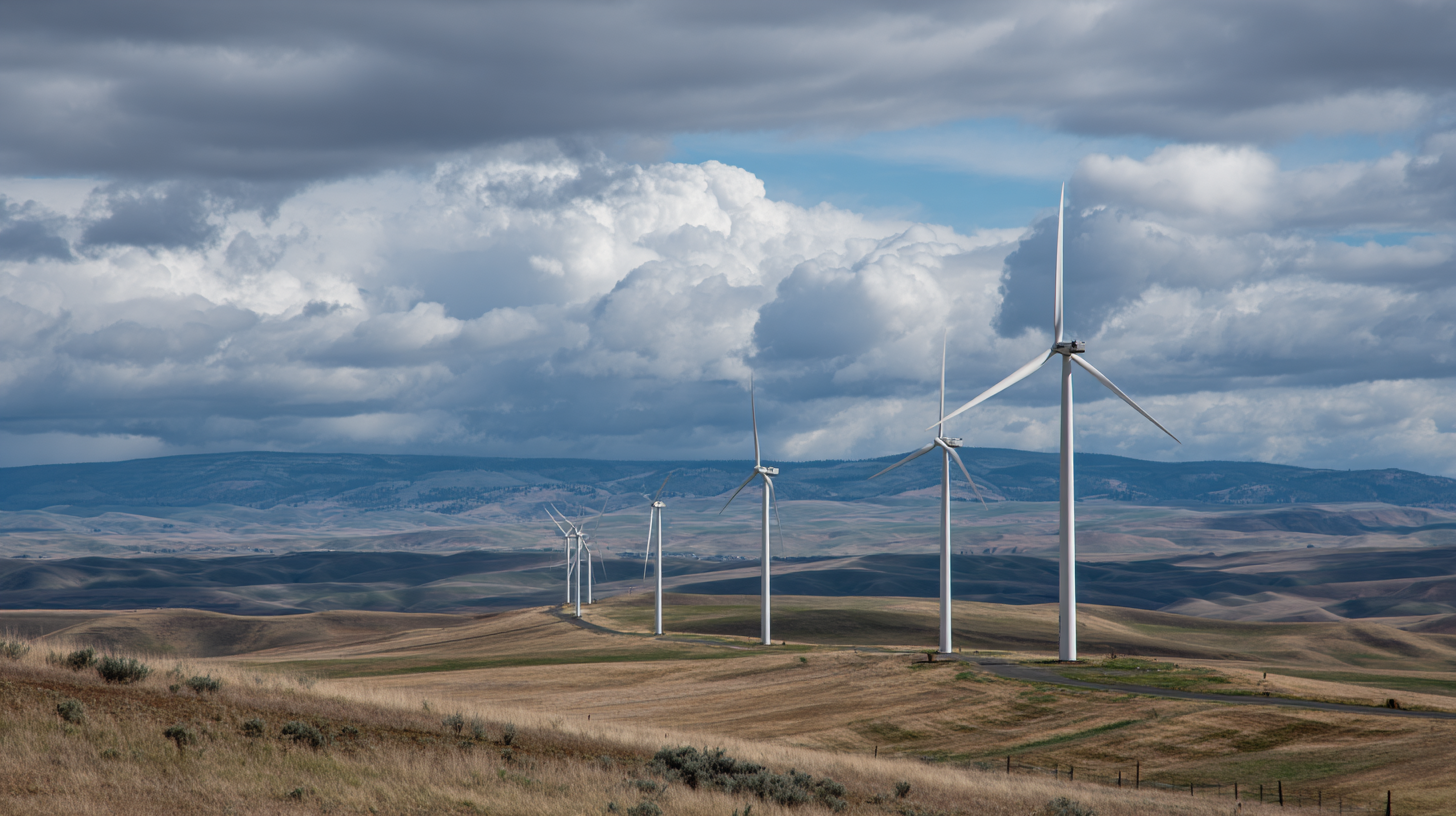 The global energy landscape is witnessing a significant transformation as the world shifts from
fossil fuels to renewable energy sources. This transition is not just a trend, but a necessary evolution in response to the pressing challenges of climate change and environmental degradation. Renewable power options, such as solar, wind, and hydroelectric energy, are becoming more viable and accessible as technological advancements drive down costs and increase efficiency.
The global energy landscape is witnessing a significant transformation as the world shifts from
fossil fuels to renewable energy sources. This transition is not just a trend, but a necessary evolution in response to the pressing challenges of climate change and environmental degradation. Renewable power options, such as solar, wind, and hydroelectric energy, are becoming more viable and accessible as technological advancements drive down costs and increase efficiency.
As governments and corporations around the globe commit to reducing carbon emissions, investments in renewable energy infrastructure are on the rise. This shift not only helps mitigate the adverse impacts of fossil fuel consumption but also stimulates economic growth by creating jobs in new industries. Communities worldwide are beginning to embrace this change, realizing the long-term benefits of sustainability and energy independence. The transition from fossil fuels to renewable energy sources is not only reshaping our energy infrastructure but is paving the way for a greener, cleaner future.
Innovative Technologies Driving Renewable Energy Development
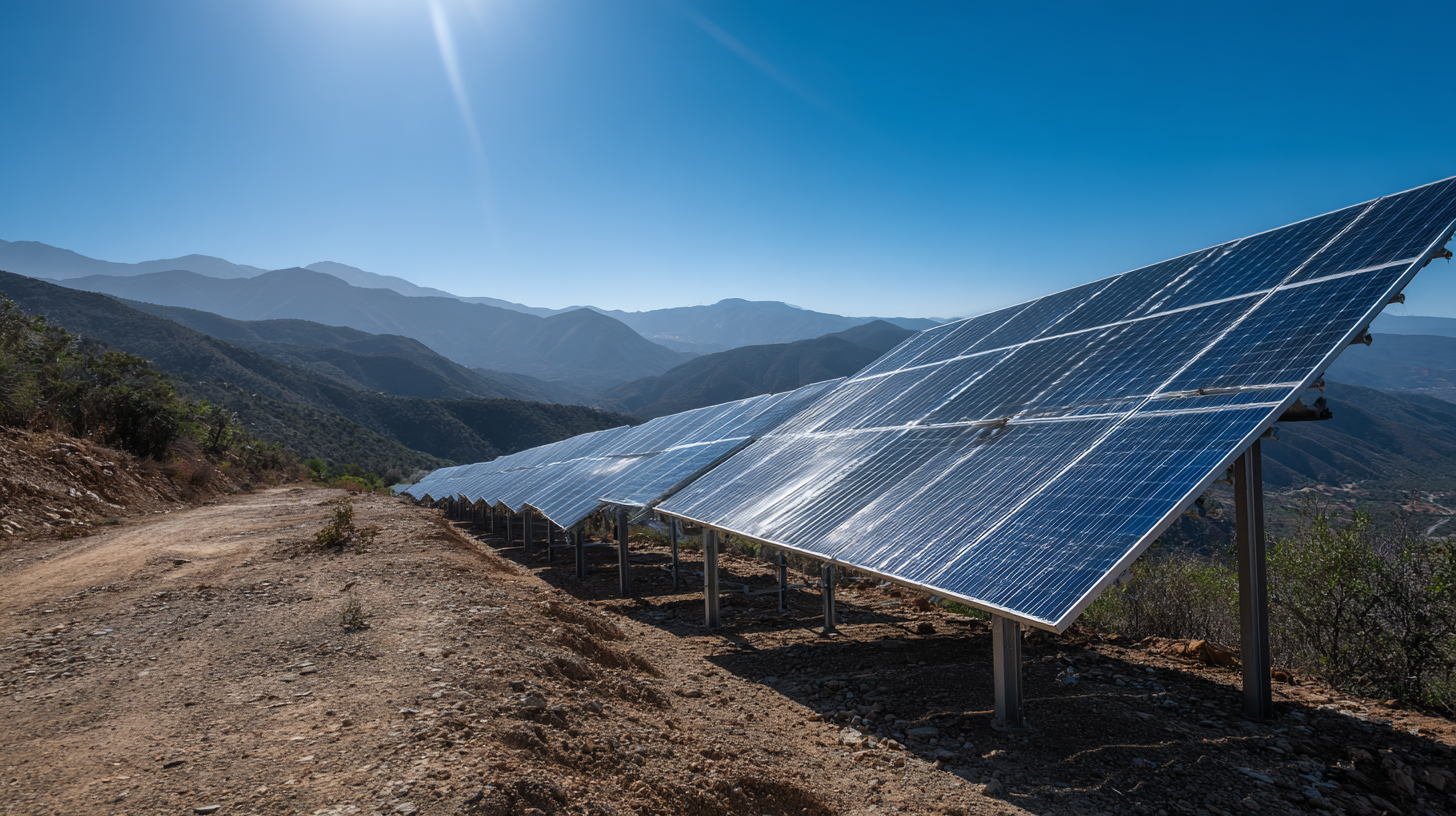
Innovative technologies are at the forefront of revolutionizing renewable energy development, pushing the boundaries of traditional methods and creating more efficient solutions. Advances in solar panel technology, such as bifacial solar cells, enable better energy absorption by utilizing sunlight from both sides of the panel. This not only enhances efficiency but also maximizes power generation even in less than ideal conditions, thus making solar energy a more viable option for diverse environments.
Moreover, the integration of smart grid technology allows for optimized energy distribution and consumption. By employing advanced analytics and real-time data monitoring, smart grids manage energy loads and enhance the stability of the power supply. This digital transformation facilitates the seamless incorporation of renewable sources like wind and solar into the existing energy infrastructure, enabling a more resilient and sustainable energy system. As we venture into the future, these innovations will be crucial in achieving a more eco-friendly and sustainable energy landscape.
Economic Impacts of Adopting Renewable Power Systems
The economic impacts of adopting renewable power systems are profound and multifaceted. Transitioning to renewable energy sources not only fosters job creation but also stimulates robust local economies. The renewable energy sector is a burgeoning source of employment, offering diverse opportunities across various skill levels and contributing significantly to economic stability. For instance, the integration of 175 gigawatts of renewable energy in India has demonstrated both technical and economic feasibility, further highlighting the potential for job growth and investment in the green energy field.
In addition to job creation, renewable energy enhances public health and environmental sustainability. The shift away from fossil fuels leads to improved air quality, benefiting communities economically and health-wise. Regions that invest in renewable resources tend to experience a reduction in carbon emissions and an increase in water quality availability, which is crucial for sustaining life and supporting agricultural practices. Moreover, as countries, including those in sub-Saharan Africa, strive for reliable electricity, the implementation of renewable energy systems emerges as a key driver of sustainable economic growth, fostering resilience against market fluctuations and energy supply disruptions.
Challenges and Solutions for Expanding Renewable Energy Infrastructure
The rapid growth of renewable energy sources presents both significant challenges and innovative solutions for expanding the energy infrastructure.
One major challenge is the integration of renewable energy into existing grids designed primarily for fossil fuels. This transition requires advancements in
energy storage technology to mitigate the intermittent nature of sources like solar and wind.
Solutions such as battery storage systems and grid flexibility mechanisms are becoming increasingly vital to ensure that renewable energy can be utilized efficiently and reliably.
Another critical issue is the need for substantial investment in infrastructure to support renewable energy deployment.
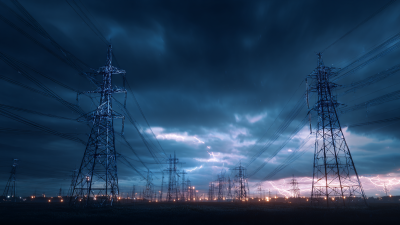
Aging electrical grids must be upgraded, and new transmission lines are necessary to connect remote renewable resources to urban centers where energy demand is highest.
Public-private partnerships and government incentives can play a crucial role in financing these projects.
Additionally, fostering community engagement and local support is essential to address any resistance related to new installations,
thus ensuring a smoother transition toward a sustainable energy future.
The Role of Policy and Regulation in Shaping Renewable Energy Adoption
The landscape of renewable energy is rapidly evolving, significantly influenced by policy and regulation. According to industry reports, the solar panel market size is projected to reach $4.12 billion by 2031, growing from $1.85 billion in 2024, with a compound annual growth rate of 12.2% from 2024 to 2031. This growth exemplifies how supportive policies can accelerate the adoption of renewable technologies. Countries are recognizing the need to enhance energy security and sustainability, especially in regions like Sub-Saharan Africa, where over 600 million people lack access to electricity. Policy frameworks that facilitate investment in renewable energy infrastructure are crucial in addressing these urgent challenges.
Moreover, recent legislative moves in Spain to bolster energy storage and flexibility underscore the proactive steps nations are taking to strengthen their power systems. Following significant blackout incidents, Spain has prioritized reforms that promote renewable energy integration. These developments illustrate that well-crafted policies are essential in fostering an environment where renewable energy can not only thrive but also play a pivotal role in combating the ongoing energy crisis and the impacts of climate change.
Exploring Renewable Energy Adoption Over the Years
This chart illustrates the growth of renewable energy capacity worldwide from 2015 to 2022. As shown, there is a consistent upward trend in the adoption of renewable energy sources, indicating a significant transformation in our energy landscape due to advancements in technology and supportive policy frameworks.