How to Source Sustainable Power Solutions for Global Buyers?
In today's world, sourcing sustainable power has become a crucial challenge for global buyers. Businesses urgently seek reliable and eco-friendly solutions to meet energy needs. As environmental concerns rise, sustainable power options like solar, wind, and hydro are increasingly popular. These solutions offer both cost-effectiveness and a reduced carbon footprint.
However, navigating the array of available options can be complex. Buyers must assess not only the technology but also the supplier's credibility. Trustworthy partners are essential for ensuring the sustainability of power solutions. Yet, many buyers struggle to verify claims. This lack of clarity can hinder decision-making and lead to unintentional choices.
Ultimately, the quest for sustainable power is a journey filled with both opportunities and challenges. Companies must be vigilant and discerning. Engaging in continuous education and research can foster better decisions in this evolving landscape. Adopting sustainable power is not just a trend; it is a responsibility that demands thoughtful action.
Identifying Sustainable Power Needs for Global Markets
Identifying sustainable power needs for global markets requires a clear understanding of varied energy demands. Different regions have unique requirements based on their resources and infrastructure. Developing countries may prioritize affordable solar solutions, while industrialized nations might focus on integrating wine energy into existing grids. Gathering data on local energy usage patterns is critical. Surveys and case studies can reveal specific needs.
The choice of energy solutions must reflect not just environmental impact but also economic viability. For instance, biomass energy might be ideal in agricultural regions, whereas hydroelectric power suits areas with ample water resources. However, sometimes the technology for these solutions can lag behind. Outdated infrastructures can slow down the implementation of modern renewable strategies.
Collaborating with local stakeholders is essential in this identification process. Engaging with communities offers insights into their energy aspirations and hesitations. Some people may resist changes due to fear of higher costs or disruptions. These concerns must be respected and addressed thoughtfully. Building trust through transparent dialogues can ease transitions and foster a sense of shared purpose.
Evaluating Renewable Energy Sources Available Worldwide
Evaluating renewable energy sources is vital for global buyers seeking sustainable power solutions. The variety of options available makes it essential to assess each carefully. Solar energy stands out due to its broad accessibility. Conversion efficiency and installation costs can vary significantly. Future advancements in solar technology may help alleviate some of these cost concerns.
Wind energy is another promising option. Onshore and offshore wind farms can generate substantial power. However, factors such as location and environmental impact should be considered. Some regions may not have strong wind patterns, while others could face ecological challenges. It’s crucial to balance energy generation with environmental stewardship.
Biomass and hydropower also present unique opportunities. Biomass utilizes organic materials, but sourcing sustainably can be tricky. Hydropower relies on water flow, which may fluctuate due to climate change. Unforeseen impacts often arise in these projects. Evaluation must include long-term sustainability and resource availability. Choosing the right renewable energy source is complex but necessary for a sustainable future.
Global Renewable Energy Sources (2022)
Assessing the Reliability and Efficiency of Power Solutions
Assessing the reliability and efficiency of power solutions is crucial for global buyers. A
report by the International Renewable Energy Agency (IRENA) indicates that renewable energy sources can reduce carbon emissions by up to 70% by 2050. This statistic highlights the importance of investing in cleaner solutions.
However, not all power solutions are created equal. Reliability can vary based on the technology and local infrastructure. For instance, wind energy systems may face issues in low-wind areas, leading to inconsistent power generation. The U.S. Department of Energy found that energy storage systems can increase overall grid reliability, ensuring a steady supply when demand peaks or weather conditions affect generation.
Efficiency is another critical factor. According to the National Renewable Energy Laboratory (NREL), solar panels convert between 15% and 22% of sunlight into electricity. Higher efficiency panels reduce the space needed for installation. Yet, buyers must consider installation costs and long-term maintenance. Many systems require regular checks and updates, which can impact overall performance if neglected. Thus, achieving optimal efficiency includes choosing qualified service teams for installation and upkeep.
Establishing Partnerships with Sustainable Energy Providers
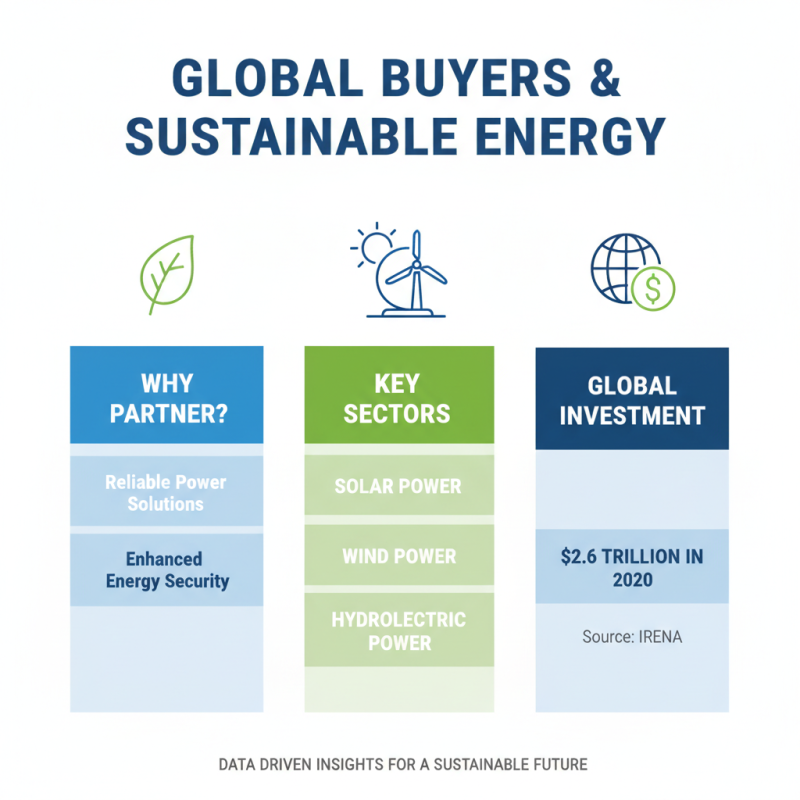
Establishing partnerships with sustainable energy providers is crucial for global buyers seeking reliable power solutions. According to the International Renewable Energy Agency (IRENA), investments in renewable energy reached $2.6 trillion globally in 2020. This surge highlights the importance of collaboration between businesses and sustainable energy producers. Buyers can enhance their energy security by forming strategic alliances with providers specializing in solar, wind, and hydroelectric power.
When selecting partners, focus on their track record and expertise. A report by the International Energy Agency (IEA) reveals that over 70% of power generation capacity additions in recent years have been renewable. Evaluating potential providers' certifications, project histories, and customer testimonials can help ensure a reliable partnership. Transparency is essential; look for providers who openly share their sustainability metrics and supply chain practices.
Building these partnerships is not without challenges. Many companies struggle to align their goals with providers. Miscommunication and differing priorities can hinder successful collaborations. It's vital to engage in open discussions about each party's objectives and sustainability targets. Regular check-ins can help address issues as they arise, fostering a more robust partnership over time.
Implementing Best Practices for Sustainable Power Procurement
Sustainable power procurement is a critical focus for global buyers. With climate change impacts escalating, companies are under pressure to adopt greener practices. According to a report by the International Energy Agency (IEA), renewable energy capacity is set to increase by 50% globally by 2024. This shift presents opportunities for businesses to source sustainable power solutions effectively.
When implementing best practices, it’s essential to assess the company's current energy consumption. Companies should conduct a detailed analysis of their energy usage patterns. This includes identifying energy-intensive areas that can transition to renewable sources. Collaborating with energy providers that prioritize sustainability is also key. The Global Wind Energy Council indicates that wind energy alone could supply 20% of global electricity by 2040.
Tips: Consider signing power purchase agreements (PPAs) to secure renewable energy at stable prices. Evaluate local incentives for renewable energy projects. Explore options for energy storage to enhance reliability. As you transition, remember that challenges may arise, such as the initial investment cost and technological barriers. It’s crucial to remain flexible and revisit sourcing strategies regularly, as market conditions can change rapidly.
How to Source Sustainable Power Solutions for Global Buyers? - Implementing Best Practices for Sustainable Power Procurement
| Energy Source |
Sustainability Score |
Cost per kWh |
Carbon Emissions Reduction (%) |
Implementation Time (months) |
| Solar Power |
90 |
$0.08 |
75 |
6 |
| Wind Power |
85 |
$0.07 |
70 |
12 |
| Hydropower |
80 |
$0.05 |
65 |
18 |
| Geothermal |
88 |
$0.10 |
80 |
24 |
| Biomass |
75 |
$0.12 |
60 |
30 |