Unlocking Savings: How Switching to Renewable Energy for Home Can Reduce Your Utility Bills by 50%
As the world grapples with the pressing issues of climate change and rising energy costs, the shift towards sustainable living has gained unprecedented momentum. One of the most impactful decisions homeowners can make is to transition to renewable energy for home use. This transformative move not only champions environmental stewardship but also offers substantial financial benefits. With the potential to reduce utility bills by as much as 50%, embracing renewable energy is becoming an attractive option for the budget-conscious homeowner.

By harnessing resources such as solar, wind, and geothermal energy, individuals can create a more self-sufficient energy system that significantly cuts down on traditional utility expenditures. Moreover, the technology surrounding renewable energy for home installation has advanced remarkably in recent years, making it easier and more efficient than ever before. In addition to the immediate savings on electricity, homeowners may also benefit from government incentives and tax credits designed to encourage the adoption of green energy solutions.
In this article, we will explore the various types of renewable energy available for home use, the potential savings they offer, and the long-term advantages of making the switch. The journey towards energy independence not only lightens the financial load but also contributes to a sustainable future for our planet.
Understanding the Cost Benefits of Renewable Energy for Homeowners
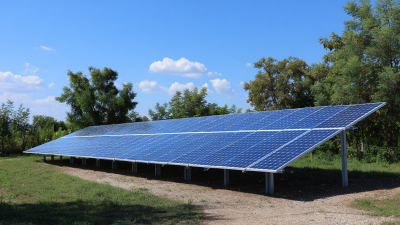
 Renewable energy sources, such as solar and wind power, present significant cost benefits for homeowners looking to reduce their utility bills. By harnessing these sustainable energy forms, homeowners can drastically lower their reliance on traditional electricity providers, which often impose rising rates. For instance, installing solar panels can convert sunlight into electricity, allowing homeowners to generate their own power while enjoying potential tax incentives and rebates that offset installation costs.
Moreover, the long-term savings associated with renewable energy systems can be substantial. Unlike conventional energy sources, which are subject to market fluctuations, renewable energy can lead to predictable and stable energy expenses. Homeowners often witness a reduction in their monthly utility bills by as much as 50% after transitioning to renewable options. This not only provides immediate financial relief but also increases property value, as homes equipped with renewable energy systems tend to attract eco-conscious buyers. Ultimately, embracing renewable energy is a strategic investment that benefits both the homeowner's wallet and the environment.
Assessing Your Current Utility Bills and Savings Potential
Assessing your current utility bills is the first step toward realizing significant savings by switching to
renewable energy. Begin by reviewing your electricity usage over the past year
to identify patterns and peak consumption periods. This will help you understand how much you're currently
spending and where you may be able to cut costs. Pay attention to any fees or charges that could be reduced by
transitioning to renewable sources, such as solar or
wind energy, which often come with lower operational costs.

Next, evaluate the potential savings that renewable energy can offer. By calculating the
return on investment for solar panels or other renewable technologies,
you can estimate how much your utility bills could decrease. Many homeowners report reductions of up to
50% in their energy costs within just a few years after making the
switch. Consider the available incentives, rebates, and financing options that can ease the initial investment.
By doing a thorough assessment of both your current utility bills and the prospective benefits of renewable
energy, you can make an informed decision that will lead to long-term savings and sustainability.
Exploring Different Renewable Energy Options for Your Home
When considering how to reduce utility bills, exploring different renewable energy options for your home is a smart move.
Solar panels, for instance, harness sunlight to generate electricity, offering a sustainable and cost-effective energy source. Not only can homeowners enjoy lower monthly bills, but many states also provide incentives such as tax credits and rebates for installing solar systems. Additionally, wind turbines can be an excellent option for those with enough land. Small-scale wind systems can significantly offset energy costs, especially in areas with consistent wind patterns.
Tips: Before committing to a renewable energy system, assess your energy consumption and evaluate which option aligns best with your lifestyle and location. Consider starting with energy-efficient appliances to maximize savings. Additionally, exploring community solar or cooperative models can allow you to benefit from renewable energy without the installation hassles.
Another avenue is geothermal energy, utilizing the Earth’s consistent temperature to heat and cool homes. This method is particularly effective in areas with extreme climates, as it can lead to substantial savings on heating and cooling costs. Homeowners can also consider incorporating energy storage systems, which allow them to store excess energy generated during peak production times for later use, further enhancing the financial benefits of switching to renewable energy.
Steps to Transitioning to Renewable Energy: A Practical Guide
Transitioning to renewable energy for your home is not only an environmentally responsible choice but also a smart financial decision. To begin your journey, start by assessing your current energy consumption and evaluating which form of renewable energy suits your needs best—be it solar, wind, or geothermal. Research available incentives or rebates in your area, as many states offer financial assistance to homeowners making the switch.
Tips for a smooth transition include consulting with professionals who specialize in renewable energy installations. They can provide personalized assessments and help tailor a system that maximizes savings. Additionally, consider implementing energy-efficient practices in your home alongside the switch, such as using LED lighting, smart thermostats, and proper insulation. This can further reduce your utility bills and enhance the overall effectiveness of your renewable energy system.
Finally, staying informed about new technologies and programs can aid your transition. Engage with local community groups or online forums focusing on renewable energy. They often share valuable insights and experiences that can guide you through potential challenges and encourage a sustainable lifestyle. By taking these steps, you can effectively harness the power of renewable energy while enjoying substantial savings on your utility bills.
Utility Savings by Transitioning to Renewable Energy
Maximizing Savings: How Incentives and Rebates Can Help You
Switching to renewable energy sources for home power can lead to significant savings on utility bills, and various incentives and rebates further enhance this financial advantage. According to the U.S. Energy Information Administration (EIA), households that adopt solar energy can save an average of $1,000 annually on their electricity costs. In many cases, these savings can be doubled with the right combination of state and federal incentives. For instance, the Federal Investment Tax Credit (ITC) allows homeowners to deduct 26% of the installation cost of solar systems from their federal taxes, making the transition to renewable energy more economically feasible.
Additionally, numerous states offer their own rebates and incentives that can dramatically reduce upfront costs. A 2021 report by the Database of State Incentives for Renewables & Efficiency (DSIRE) found that more than 30 states provide financial incentives for solar installations, which can lower out-of-pocket expenses by thousands of dollars. Furthermore, some utilities have programs that offer rebates for energy efficiency improvements or renewable energy systems, making it possible for homeowners to access savings that could lead to a 50% reduction in their utility bills. By leveraging these incentives, homeowners not only contribute to sustainability efforts but also invest in significant long-term financial benefits.