Top 10 Renewable Energy Projects Transforming the Future of Power Generation?
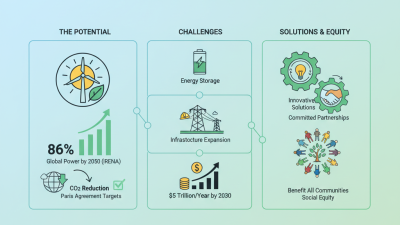
The future of power generation is increasingly shaped by renewable energy projects. These projects are at the forefront of transforming our energy landscape. According to the International Renewable Energy Agency (IRENA), global renewable energy capacity reached 2,799 gigawatts in 2020, signifying a robust growth trajectory.
Renewable energy projects are driving innovation in technology and sustainability. Solar and wind energy now comprise a significant share of the energy mix. However, reliance on these sources can lead to challenges, such as energy storage and grid integration. A report by the U.S. Energy Information Administration highlights that while renewables are booming, their intermittent nature demands improved solutions.
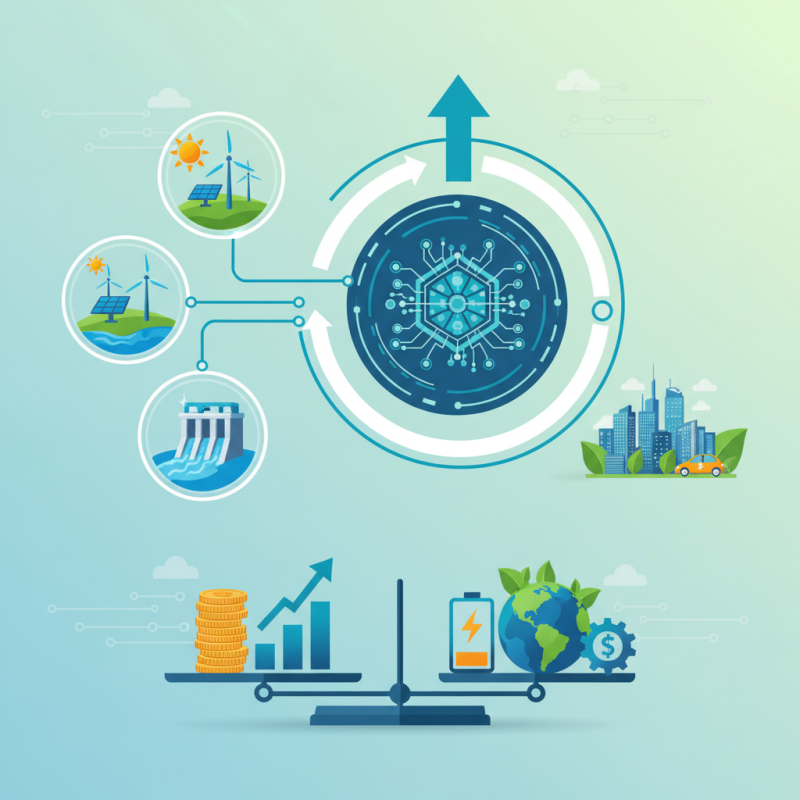
Investing in renewable energy projects also presents financial concerns. While initial costs are high, long-term savings must be evaluated. Many countries struggle with balancing environmental goals and economic realities. Nonetheless, these projects offer a path to a greener future. They highlight the need for collaboration and adaptation across industries to achieve sustainable energy solutions.
Top 10 Renewable Energy Projects Transforming Global Power Generation
The global shift towards renewable energy is rapidly changing power generation dynamics. According to the International Renewable Energy Agency (IRENA), renewable energy accounted for 83% of global power addition in 2020. This growth signifies a major transformation in how electricity is generated and consumed worldwide.
Hydropower remains a dominant player, producing 16% of global electricity. However, solar and wind energies are surging ahead. The Global Wind Energy Council reported that global wind capacity increased by 93 gigawatts in 2020, further emphasizing the potential of these resources. Yet, challenges persist. Many regions lack sufficient infrastructure to support new projects. Additionally, integrating intermittent energy sources like solar and wind into existing grids poses significant hurdles.
Emerging projects showcase innovation and ambition. For instance, the Hornsea One offshore wind farm in the UK is now the largest globally. It supplies power to over one million homes. Despite these advancements, there are concerns regarding land use and biodiversity impacts. Balancing energy needs with environmental preservation remains a complex challenge that requires thoughtful solutions.
Breakthrough Innovations in Solar Energy: Leading Projects Reshaping the Market
Breakthrough innovations in solar energy are reshaping how we generate power. Projects around the globe are harnessing sunlight more efficiently than ever before. For instance, floating solar farms are gaining traction. They utilize water surfaces, helping to save land and reduce evaporation. This method also cools the panels, enhancing output.
Another remarkable development is the use of bifacial solar panels. These panels capture sunlight on both sides, increasing overall energy production. In some cases, energy output has risen by 20% or more. However, challenges remain. The initial setup costs can still be prohibitive for some regions, affecting wider adoption.
Furthermore, solar energy storage systems are improving. New technologies allow for better integration with the grid. Yet, energy storage still faces hurdles in efficiency and lifespan. As innovations continue to evolve, the solar market is becoming more competitive. The journey is promising but requires ongoing reflection and adaptation. Each breakthrough brings us closer to a sustainable energy future.
Wind Power Expansion: Key Projects Driving the Future of Clean Energy
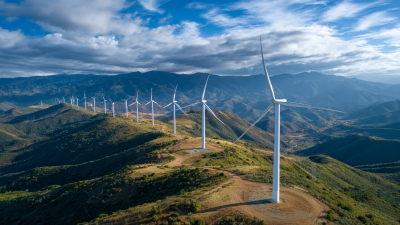
Wind power is a cornerstone of the renewable energy transition. Many nations are investing in wind farms. These initiatives aim to reduce dependence on fossil fuels and cut carbon emissions. Projects like offshore wind farms are transforming energy landscapes. They harness stronger and more consistent winds, making energy production more reliable.
Some notable projects are located in coastal regions. These areas provide optimal conditions for wind energy generation. However, challenges remain. Environmental impacts and local opposition can hinder development. It is crucial to engage communities in these discussions. Transparency can lead to better acceptance and more successful projects.
Emerging technologies are also enhancing wind power efficiency. Innovations in turbine design are increasing capacity and reducing costs. Yet, questions about long-term sustainability and maintenance persist. As the industry evolves, addressing these issues becomes vital. The future of wind power will depend on balancing growth with environmental stewardship.
Top 10 Renewable Energy Projects Transforming the Future of Power Generation
This bar chart illustrates the installed capacity of wind energy projects in megawatts (MW) across different regions. As the world shifts towards clean energy, wind power projects are at the forefront of this transformation.
Hydroelectric Power Revolution: Transformative Projects and Their Impact
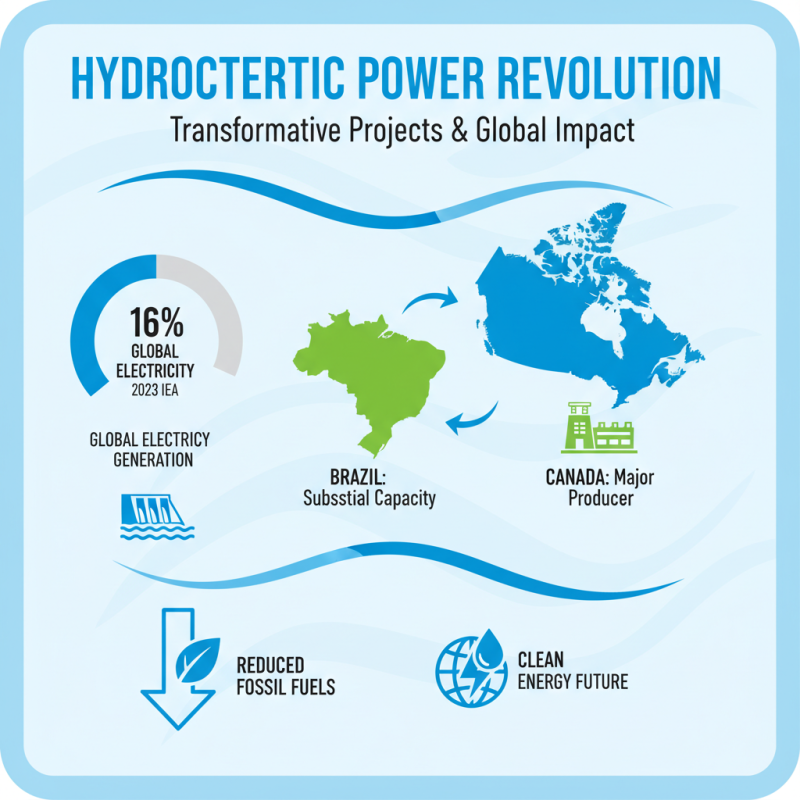
Hydroelectric power has emerged as a significant player in the renewable energy sector. As of 2023, hydroelectricity accounts for approximately 16% of global electricity generation, according to the International Energy Agency (IEA). This statistic underscores the importance of transformative projects that harness water's potential. Countries like Brazil and Canada have developed substantial hydroelectric capacity, showcasing how large-scale projects can reduce dependency on fossil fuels.
The Three Gorges Dam in China epitomizes such transformation. This project generates 22,500 MW of electricity, significantly contributing to the national grid. However, its impact has raised environmental and social concerns. Ecosystems along the Yangtze River have suffered. Communities were displaced, prompting discussions around the balance between energy needs and ecological preservation.
Despite the challenges, smaller projects are making strides too. In Europe, micro-hydropower systems provide energy to remote areas. These projects offer sustainable solutions while minimizing environmental impacts. The Global Hydropower Alliance aims to increase the share of hydropower in the energy mix to 20% by 2030. Achieving this goal requires addressing the trade-offs involved in such developments. Each project must be evaluated carefully to ensure it truly benefits both people and the planet.
Advancements in Geothermal Energy: Notable Projects Leading the Transition
Geothermal energy is gaining momentum as a reliable renewable source. A report from the International Renewable Energy Agency (IRENA) highlights that geothermal power capacity reached approximately 15.6 gigawatts globally in 2022. Some innovative projects are driving this increase.
One notable endeavor is the Hellisheidi project in Iceland. It utilizes both geothermal power and heating. This project has successfully reduced carbon emissions significantly. However, it faces challenges related to land use and environmental impact. Another promising project is the Olkaria Geothermal Power Station in Kenya. This facility contributes significantly to local energy supply but grapples with issues of resource sustainability and community impact.
These projects showcase the potential of geothermal energy but also highlight complexities. Balancing economic benefits with environmental protection remains a critical challenge. The push for cleaner energy sources demands careful consideration of sustainable practices.
Top 10 Renewable Energy Projects Transforming the Future of Power Generation - Advancements in Geothermal Energy: Notable Projects Leading the Transition
| Project Name |
Location |
Capacity (MW) |
Completion Year |
Main Technology |
| Project A |
Country X |
50 |
2022 |
Binary Cycle |
| Project B |
Country Y |
75 |
2021 |
Flash Steam |
| Project C |
Country Z |
100 |
2020 |
Enhanced Geothermal Systems |
| Project D |
Country W |
60 |
2019 |
Combined Heat and Power |
| Project E |
Country V |
30 |
2018 |
Single Flash |
Conclusion
The landscape of power generation is undergoing a monumental shift due to innovative renewable energy projects that promise to reshape the future. From breakthrough solar energy initiatives that are advancing market dynamics to significant wind power expansions, these projects are at the forefront of clean energy transformation. Hydroelectric power also plays a crucial role with revolutionary projects enhancing energy production, while the advancements in geothermal energy are leading the charge in sustainable practices. Furthermore, the integration of energy storage solutions is vital, as it enhances the efficiency and reliability of these renewable energy projects, making them indispensable in the transition towards a greener future.