Top 10 Renewable Energy Sources Transforming Our Future?
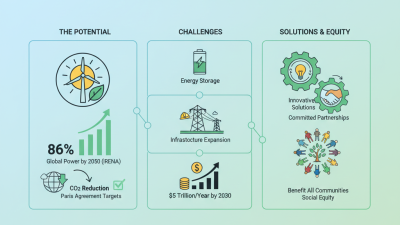
The world is facing an urgent need to transition to renewable energy. Global warming and environmental degradation have raised alarms. According to the International Renewable Energy Agency (IRENA), renewable energy could supply over 86% of global power demands by 2050. This shift is not just crucial but achievable.
Experts like Dr. Emily Johansson emphasize the potential of renewable energy. She states, "Investing in renewable sources is not just a choice; it’s a necessity for our future." Solar, wind, hydro, and geothermal energy are increasingly becoming integral to energy strategies. These sources are cleaner and often more sustainable than fossil fuels.
Despite the advancements, challenges persist. Infrastructure for renewable energy must grow. Public support and policy frameworks are vital. The journey toward a fully renewable future is ongoing, requiring commitment and innovation. There are no perfect solutions, but the path is clear. The future of energy lies in our ability to harness renewable resources effectively.
Top 10 Renewable Energy Sources Transforming Our Future
Renewable energy sources are crucial for our future. They offer solutions to climate change and energy security. Among them, solar power shines bright. Solar panels convert sunlight directly into electricity. This technology is advancing rapidly, making it more accessible. Yet, some challenges remain. Not all regions receive equal sunlight.
Wind energy is another powerful source. Turbines harness wind to generate power. Wind farms can be built offshore or on land. However, noise and visual impacts can upset communities. Hydropower uses flowing water to produce energy. It is a reliable source but can disrupt local ecosystems. Each energy type has its pros and cons.
Geothermal energy taps into the Earth’s heat. It provides a stable and continuous power supply. Still, it's not available everywhere. Biomass can turn organic waste into energy. While it reduces waste, it may compete with food production. The future of energy depends on how we balance these sources. Finding solutions is an ongoing journey, and we must explore all possibilities.
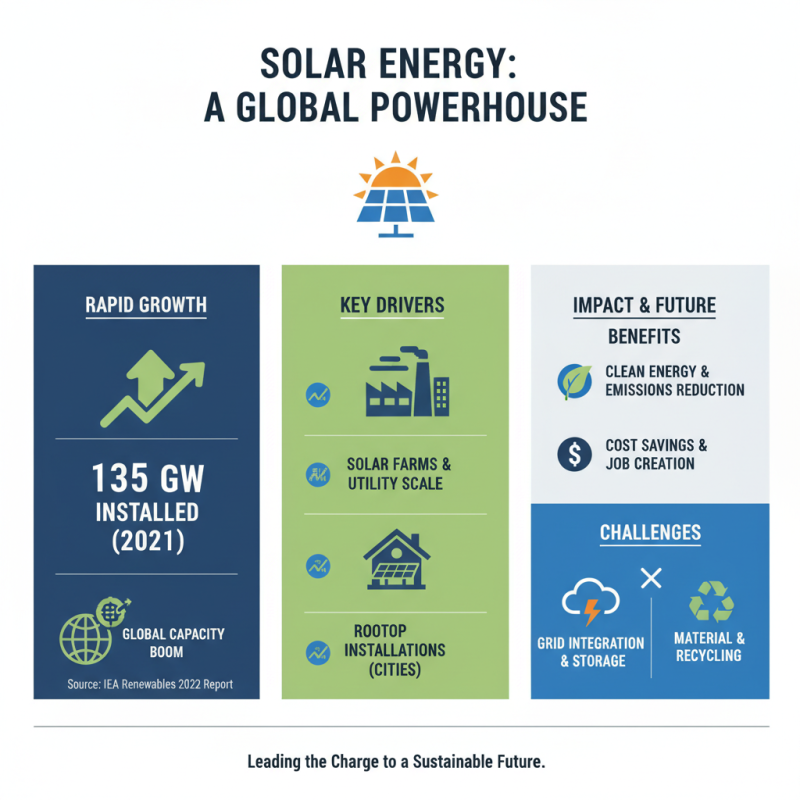
Solar Energy: A Leading Force with 135 GW Installed in 2021
Solar energy has emerged as a leading force in the renewable sector. In 2021, 135 GW of solar power was installed globally. This remarkable increase highlights the growing importance of solar technology. Many countries are investing in solar farms. Cities are encouraging rooftop installations too. This rapid expansion has brought many benefits, but challenges remain.
One challenge lies in energy storage. Solar power generates electricity during the day, yet demand often peaks at night. Many solutions exist, but they need further development. The efficiency of solar panels also requires improvement. Currently, some panels only convert around 20% of sunlight into usable energy. Continual research is essential to enhance this efficiency.
Moreover, the environmental impact of solar panel production must be addressed. The materials used can be harmful if not recycled properly. As solar energy transforms our future, balancing innovation with sustainability will be crucial. Investing in cleaner processes will ensure that solar energy remains a viable solution for generations to come.
Wind Energy Growth: 93 GW Added Capacity in the U.S. Alone in 2020
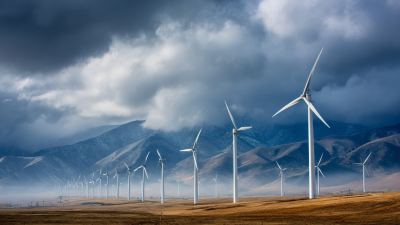
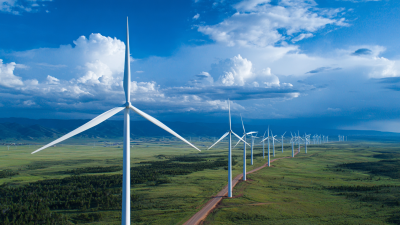
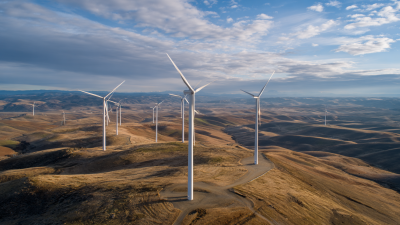
The growth of wind energy in the U.S. has been remarkable. In 2020, the country added 93 gigawatts (GW) of wind power capacity. This surge reflects a broader commitment to renewable energy. Coastal and inland areas have become hotspots for wind farms. States are investing heavily in relevant infrastructure.
However, the growth isn’t without challenges. Some communities express concerns over noise and aesthetic impacts. There are questions about wildlife, too. Wind turbines can affect local birds and bat populations. Addressing these concerns is vital for future projects. Education and engagement are crucial for balancing interests.
The shift to wind energy also questions our power consumption habits. Are we ready to embrace a lifestyle aligned with renewable sources? Rethinking energy use can lead to more sustainable practices. Wind energy represents hope but also requires reflection on our consumption patterns. Balancing growth and responsibility is essential for a cleaner future.
Hydropower: Generating 16% of Global Electricity Since 2021
Hydropower has been a pivotal player in the renewable energy landscape, generating 16% of global electricity since 2021. According to the International Energy Agency (IEA), hydropower is the largest source of renewable electricity worldwide. It harnesses the power of flowing water, converting kinetic energy into electrical energy. This process is efficient but comes with challenges.
The construction of dams for hydropower can disrupt local ecosystems. Fish populations may decline due to barriers in migration. Regions near large reservoirs often face displacement. Balancing energy generation with environmental concerns is a pressing issue.
Globally, hydropower capacity reached over 1,300 gigawatts by 2022. Yet, there remains immense untapped potential in both large and small-scale projects. As countries strive for sustainability, innovative technologies must be integrated. Fish ladders and improved turbine designs can mitigate environmental damage. More research is necessary to ensure hydropower remains a viable option for the future.
Biomass Energy: Contributing 5% to Global Energy Mix by 2022
Biomass energy is a key player in the renewable sector. By 2022, it contributed about 5% to the global energy mix. This source includes organic materials like plants and agricultural waste. It is often seen as a solution to waste management issues, transforming leftovers into energy.
However, biomass energy comes with challenges. Deforestation can occur if not managed properly, impacting local ecosystems. The sustainability of biomass is sometimes debated. Burning biomass can release carbon dioxide, though it's theorized to be carbon-neutral. The technology evolves, yet it’s far from perfect.
Investing in biomass requires careful consideration. The potential benefits must outweigh the impacts on environmental health. Communities need awareness about sustainable practices. Education is vital to ensure biomass is utilized effectively and responsibly. Embracing this energy source can lead to innovation, but it requires a balanced approach.
Top 10 Renewable Energy Sources Transforming Our Future
Conclusion
The article "Top 10 Renewable Energy Sources Transforming Our Future" highlights the significant advancements in various renewable energy sources that are reshaping global energy dynamics. Solar energy has emerged as a leading contributor, with an impressive 135 GW capacity installed in 2021. Meanwhile, wind energy continues to grow, adding 93 GW in capacity in the U.S. alone during 2020. Hydropower has maintained its role in sustainability, generating approximately 16% of the world's electricity since 2021.
Additionally, biomass energy, accounted for 5% of the global energy mix by 2022, showcases its importance in renewable energy strategies. Geothermal power also plays a role in providing sustainable heat, boasting a capacity of 15 GW worldwide. These renewable energy sources are not only crucial for meeting current energy demands but also for promoting a more sustainable future.