Top 5 Renewable Energy Sources You Need to Know?
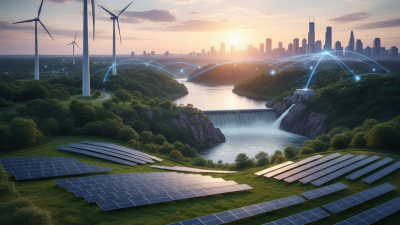
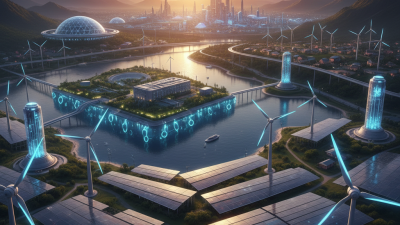
The world is experiencing an urgent shift towards renewable energy sources. According to the International Energy Agency, renewable energy accounted for nearly 29% of global electricity generation in 2020. This trend is expected to accelerate as governments and businesses seek sustainable solutions. Fossil fuels are being depleted, and climate change demands action.
Each renewable energy source offers unique advantages. Solar power, for instance, is becoming more efficient with advancements in technology. Wind energy is now one of the fastest-growing sectors, contributing significantly to job creation. However, challenges remain. Not all regions have the same access to renewable energy sources, leading to inequality in energy availability.
Investing in renewable technologies is vital for economic growth. The global renewable energy market is projected to reach $2 trillion by 2025. This potential inspires innovation, but we must also address the limitations. Energy storage is still a barrier for solar and wind power. Balancing energy generation with consumption requires ongoing assessment. Understanding these renewable energy sources will be key to a sustainable future.
The Importance of Renewable Energy in Combating Climate Change
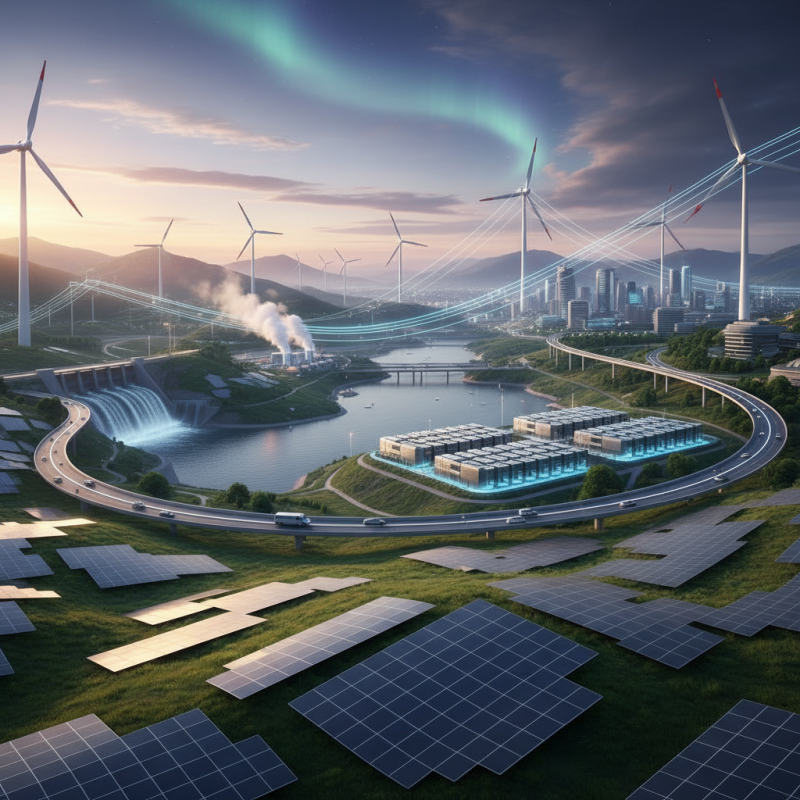
Renewable energy is crucial in the fight against climate change. In 2020, the International Energy Agency reported that renewable sources accounted for 29% of global electricity generation. This number is expected to rise to over 50% by 2030 if current trends continue. Solar and wind energy are leading this charge. They offer cleaner alternatives to fossil fuels. However, these renewable sources still face challenges. For instance, energy storage remains a significant issue.
For these technologies to reach their full potential, infrastructure needs upgrading. Countries must invest in smart grids and battery storage. According to a report by the Global Renewable Energy Agency, investments in renewable energy exceeded $300 billion in 2021. Yet, some regions still struggle with access and implementation. Wealth disparities hinder progress. This gap raises questions about equity and energy justice.
Despite advancements, not all renewable initiatives deliver as expected. Inconsistent policies can lead to wasted resources. The focus often lies heavily on short-term gains rather than long-term sustainability. The push for renewables must include plans for support and incentives. Otherwise, potential benefits might slip away, leaving us unprepared for an uncertain energy future.
Solar Energy: Harnessing the Sun’s Power for Sustainable Solutions
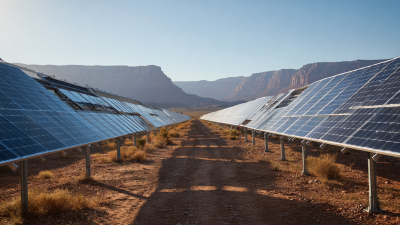
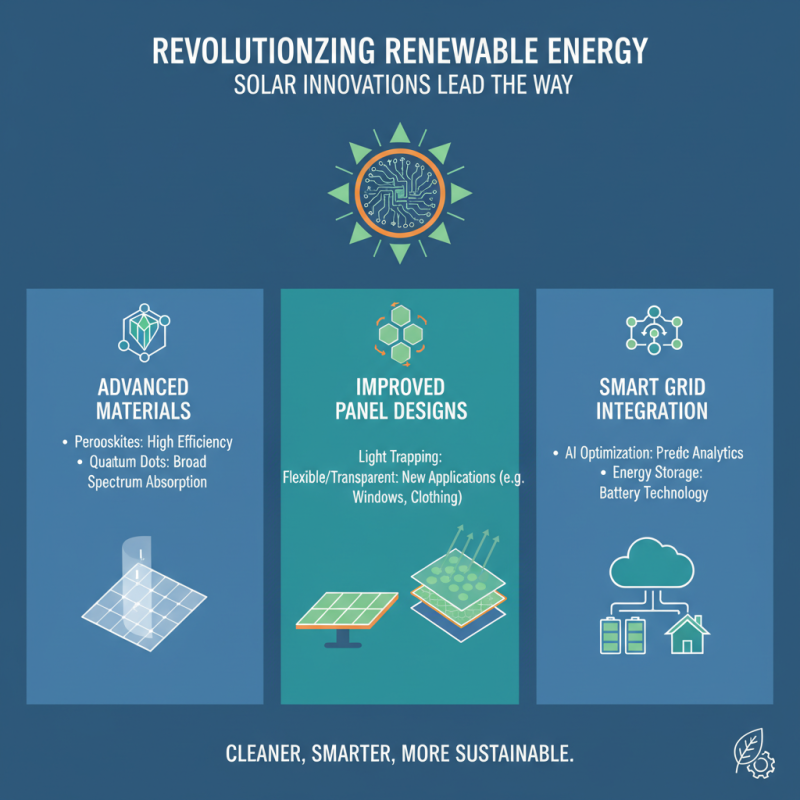
Solar energy is a powerful resource. It comes from the sun’s rays, which are abundant and free. Many homes are now equipped with solar panels. These panels convert sunlight into electricity. This process is not only clean but also sustainable. More people are realizing the benefits of this energy source.
However, harnessing solar power has its challenges. Not all areas receive the same amount of sunlight. Cloudy days can reduce efficiency. Storage systems must be in place for energy use at night. Additionally, the initial cost of installation can be high for some. Yet, as technology advances, these issues are slowly being addressed.
The potential for solar energy is immense. It can power homes, schools, and even entire cities. This energy source can lead to a significant reduction in carbon emissions. More importantly, it encourages energy independence. As we invest more in solar technologies, we must also consider the environmental impact of manufacturing panels. It’s a journey of balance, innovation, and sustainability.
Top 5 Renewable Energy Sources You Need to Know
| Energy Source |
Advantages |
Disadvantages |
Usage (%) |
| Solar Energy |
Sustainable, low operating costs, reduces electricity bills |
High initial installation costs, weather dependent |
3.5% |
| Wind Energy |
Renewable, low emissions, can be cost-effective |
Intermittent generation, can affect wildlife |
6.6% |
| Hydro Energy |
Reliable and efficient, low emissions |
Environmental impact on ecosystems, high initial costs |
16.2% |
| Biomass Energy |
Versatile, can utilize waste materials |
Can produce emissions, requires land and water |
2.5% |
| Geothermal Energy |
Low emissions, reliable source of power |
Limited to specific locations, high initial costs |
0.4% |
Wind Energy: Assessing Efficiency and Global Contribution to Power Generation
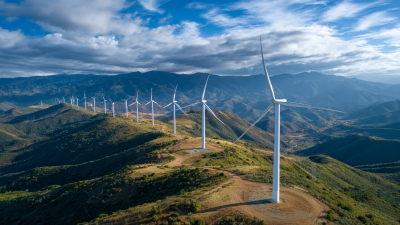
Wind energy is rapidly becoming a key player in global power generation. In 2022, wind energy contributed over 9% of the world’s total electricity supply. This is significant. The Global Wind Energy Council reported a record installation of around 93 gigawatts (GW) in that year alone. Wind farms are spreading, from offshore installations to expansive onshore sites.
However, challenges remain. The efficiency of wind energy varies based on location and technology. For example, some recent studies indicate that newer turbine designs can capture wind energy at up to 50% efficiency. Yet, older models can struggle to exceed 30%. It's crucial to assess the geographical limitations of wind resources. Some regions enjoy ideal conditions, while others do not.
Despite these hurdles, the potential for wind energy is enormous. Projections suggest that wind could generate over 35% of the world’s electricity by 2050 if investments continue. Transitioning to this energy source is vital. However, we must confront issues such as land use, wildlife impact, and the need for stronger infrastructure. These factors require ongoing reflection and innovative solutions as we harness the winds for a sustainable future.
Hydropower: The World’s Leading Renewable Energy Source and Its Impact
Hydropower remains the world’s leading renewable energy source. In 2021, it accounted for about 16% of global electricity generation. This statistic reflects its vital role in reducing greenhouse gas emissions. However, while hydropower is efficient, it isn’t without challenges.
Many large dams have significant environmental impacts. They disrupt local ecosystems and displace communities. Reports indicate that millions of people have been affected due to dam projects. This brings to light the balance between energy needs and social responsibility.
Moreover, climate change poses risks to hydropower. Altered rainfall patterns can reduce water availability. This unpredictability raises questions about dependence on this energy source. As the world shifts towards renewables, hydropower must evolve. We must address the environmental and social issues associated with it.