Unlocking the Future of Wind Energy with Innovative Technologies and Sustainable Solutions
The transition to renewable energy sources is increasingly critical in
mitigating climate change and ensuring sustainable economic growth. Among these sources,
wind energy stands out as a powerful solution,
with the Global Wind Energy Council reporting that total installed wind capacity reached over
743 GW in 2020, representing a
53% increase since 2015. As countries strive to meet their climate action goals,
innovative technologies in wind energy such as advanced turbine designs
and enhanced predictive analytics are unlocking new potentials
for efficiency and output. Furthermore, research indicates that wind energy could supply
20% of global electricity by 2030, contributing significantly to reducing
greenhouse gas emissions and promoting a sustainable future. By exploring these
cutting-edge developments and fostering sustainable practices,
we can harness the full potential of wind energy to build a cleaner, greener planet for generations to come.

Harnessing Artificial Intelligence for Wind Energy Optimization
The advent of Artificial Intelligence (AI) is transforming the landscape of wind energy optimization, offering innovative solutions that significantly enhance efficiency and productivity. According to a recent report by the Global Wind Energy Council (GWEC), AI technologies have the potential to increase the operational efficiency of wind farms by up to 20%. This enhancement is crucial, considering that the global wind energy capacity reached over 743 GW in 2020, necessitating sophisticated management systems to maximize output and minimize costs.
AI-driven predictive analytics are at the forefront of this transformation. By utilizing machine learning algorithms, operators can forecast wind patterns and optimize turbine performance in real-time. A study from McKinsey & Company highlighted that deploying AI in predictive maintenance can reduce downtime by as much as 30%, ultimately leading to significant cost savings and improved reliability. As the wind energy sector aims to transition to net-zero emissions, harnessing such technologies not only drives operational improvements but also supports the broader goal of sustainable energy solutions, paving the way for a greener future.
Developing Advanced Turbine Designs for Enhanced Efficiency
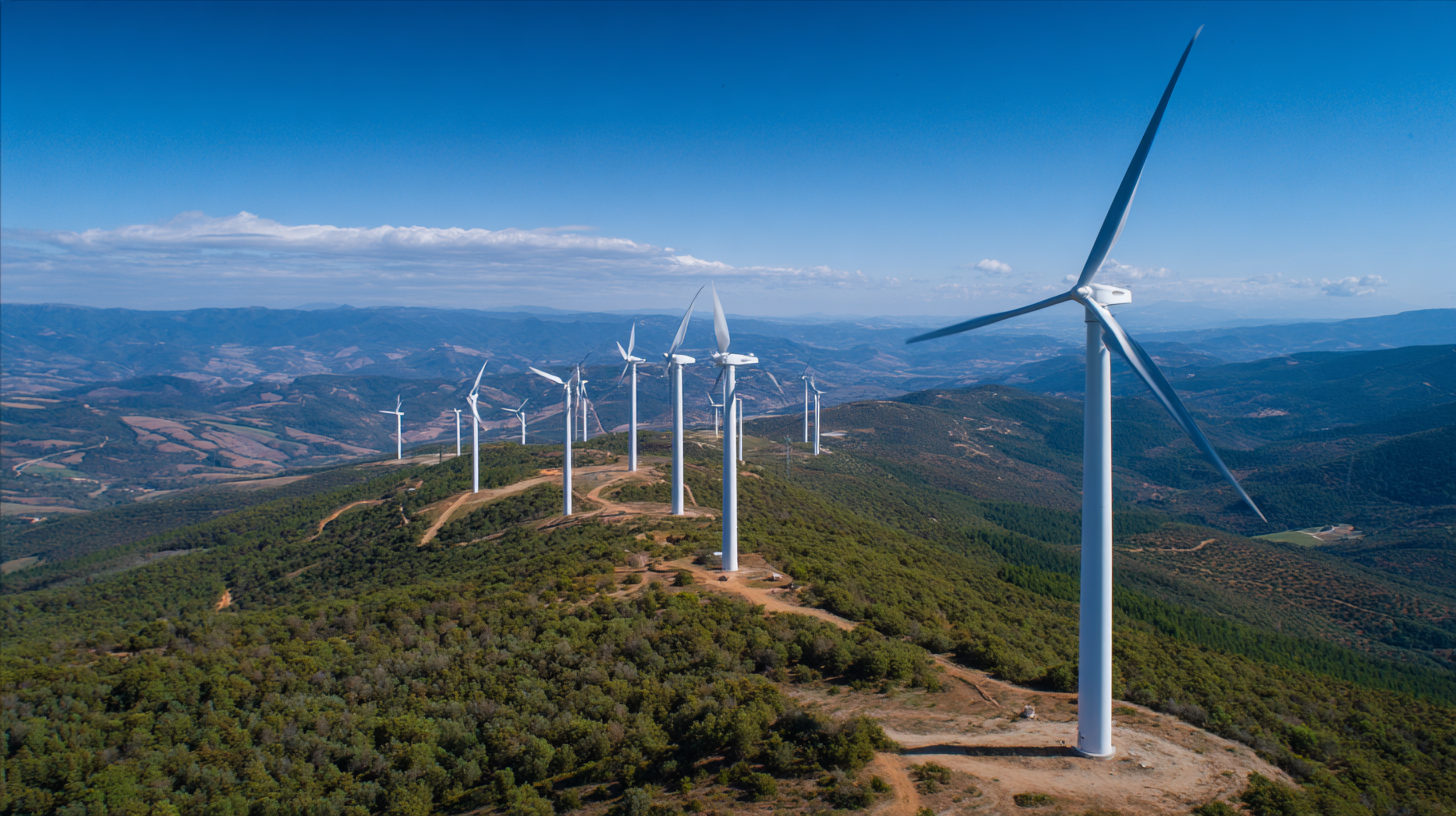 The advancement of wind energy technology is pivotal in addressing the growing demand for sustainable and efficient energy solutions. Recent reports indicate that global wind capacity reached 743 GW in 2020 and is expected to grow significantly, driven by innovative turbine designs. Enhanced turbine technologies, particularly the development of larger rotor sizes and improved aerodynamics, can increase efficiency by up to 50%, enabling more energy production at lower wind speeds.
The focus on advanced turbine designs also emphasizes the integration of smart technology. The use of IoT sensors and data analytics can enhance turbine performance monitoring, enabling predictive maintenance that can reduce downtime and operational costs by up to 20%. Furthermore, recent studies suggest that offshore wind farms, utilizing cutting-edge turbine technology, could potentially generate over 18,000 TWh annually, enough to power the entirety of Europe. As the industry continues to innovate, these advancements will not only drive efficiency gains but also help position wind energy as a cornerstone of the global energy transition.
Integrating Energy Storage Solutions with Wind Power Systems
As the demand for renewable energy continues to rise, integrating energy storage solutions with wind power systems is pivotal for maximizing efficiency and reliability. Wind energy is inherently variable, making it essential to store electricity generated during peak production times. Advanced battery technologies, such as lithium-ion and flow batteries, allow for the capture of energy that can be dispatched when the wind isn’t blowing. This synergy not only ensures a continuous power supply but also enhances grid stability, making wind power a more attractive option for energy producers and consumers alike.
**Tip:** When considering the implementation of energy storage with wind turbines, evaluate the total lifecycle costs of different battery technologies to choose the most cost-effective solution.
Emerging technologies, like pumped hydro storage and innovative flywheel systems, are also gaining traction. These systems can provide fast response times and absorb excess wind generation, thus preventing grid overloads. By investing in such solutions, wind energy can transition from being a supplemental energy source to a cornerstone of a sustainable energy future.
**Tip:** Explore partnerships with local energy storage providers to optimize your wind energy systems and potentially reduce upfront costs through shared resources.
Integration of Energy Storage Solutions with Wind Power Systems
This chart illustrates the growth of wind energy capacity alongside energy storage installations from 2017 to 2022. The increasing trend highlights the potential of integrating energy storage solutions to enhance the efficiency and reliability of wind power systems.
Utilizing Big Data Analytics for Predictive Maintenance in Wind Farms
The integration of big data analytics in wind farms is revolutionizing the way we approach predictive maintenance, significantly enhancing operational efficiency and reducing downtime. By harnessing vast amounts of data generated by wind turbines, operators can identify patterns and potential technical issues before they escalate into costly failures. This proactive approach not only extends the lifespan of critical components but also optimizes energy production, ensuring that wind farms operate at peak performance.
Advanced algorithms and real-time monitoring systems analyze parameters such as vibration, temperature, and hydraulic pressure, enabling maintenance teams to make informed decisions based on predictive insights. This transformative use of data allows for scheduled maintenance that coincides with the actual condition of the equipment, rather than relying on arbitrary timelines. As a result, wind energy producers can minimize unplanned outages, reduce operational costs, and ultimately contribute to a more sustainable energy future, paving the way for an efficient and reliable renewable energy source.
Unlocking the Future of Wind Energy with Innovative Technologies and Sustainable Solutions - Utilizing Big Data Analytics for Predictive Maintenance in Wind Farms
| Wind Farm Location |
Number of Turbines |
Total Capacity (MW) |
Annual Energy Production (GWh) |
Predictive Maintenance Tools |
Downtime Reduction (%) |
| Location A |
25 |
75 |
200 |
Vibration Analysis, Machine Learning |
30 |
| Location B |
30 |
90 |
250 |
Thermal Imaging, Predictive Analytics |
25 |
| Location C |
15 |
45 |
120 |
Data Analytics Dashboard, IoT Sensors |
40 |
| Location D |
20 |
60 |
180 |
Cloud Computing, Real-time Monitoring |
28 |
| Location E |
10 |
30 |
90 |
Condition Monitoring, AI Algorithms |
35 |
Exploring Offshore Wind Innovations for Sustainable Energy Generation
The future of sustainable energy generation largely hinges on advancements in offshore wind technologies. As nations seek to reduce carbon emissions and combat climate change, offshore wind farms have emerged as a crucial component of the renewable energy landscape. Innovative turbine designs and floating platforms are at the forefront of this evolution, allowing for the harnessing of stronger and more consistent winds found further from shore. These technologies not only enhance energy output but also minimize environmental impacts, as they can be deployed in deeper waters, away from critical habitats.
Moreover, the integration of digital technologies, such as AI and IoT, into offshore wind operations is revolutionizing how energy is generated and managed. Smart monitoring systems provide real-time data, enabling operators to optimize performance and predict maintenance needs before issues arise. This ensures more reliable energy production while reducing downtime and costs. Furthermore, the development of energy storage solutions is critical in addressing the intermittent nature of wind energy, allowing for smoother integration into the energy grid and ensuring a consistent power supply. As these innovations continue to evolve, the potential of offshore wind energy as a sustainable solution becomes increasingly clear.