Why Are Wind Turbines a Smart Investment for Buyers?

Why are wind turbines a smart investment for buyers? The answer begins with measurable market momentum, not optimistic slogans. The Global Wind Energy Council’s Global Wind Report 2024 recorded 117 gigawatts of new wind capacity in 2023. Global installed capacity exceeded 1,000 gigawatts. That scale reflects years of engineering progress, stronger supply chains, and growing demand for dependable low-carbon electricity. It does not guarantee profit.

Cost data strengthens the argument. IRENA’s Renewable Power Generation Costs in 2023 reported a global weighted-average levelized cost of electricity of approximately $0.033 per kilowatt-hour for onshore wind. Offshore wind remained more expensive, at about $0.075 per kilowatt-hour. These figures can make wind turbines attractive for utilities, landowners, manufacturers, and commercial buyers seeking long-term energy stability. The International Energy Agency’s Renewables 2024 analysis also expects wind and solar to provide most new renewable capacity through 2030. The direction is clear.

But a turbine is not a magic box. Site selection decides much of the outcome. Buyers must examine wind-speed records, turbulence, foundation conditions, grid access, noise limits, and maintenance schedules. IEC 61400 standards provide an important technical reference for turbine design and assessment. Warranty terms matter too. So do spare-parts availability and the supplier’s service history. A cheaper turbine may create higher downtime costs later. That risk is easy to underestimate. The strongest investment case combines verified performance data, experienced engineering review, realistic financing assumptions, and careful lifecycle planning. Wind turbines can deliver durable value, but only when the project fits its location, grid, budget, and operating conditions.
Why Are Wind Turbines a Smart Investment for Buyers?

What Wind Turbines Are and How They Generate Electricity

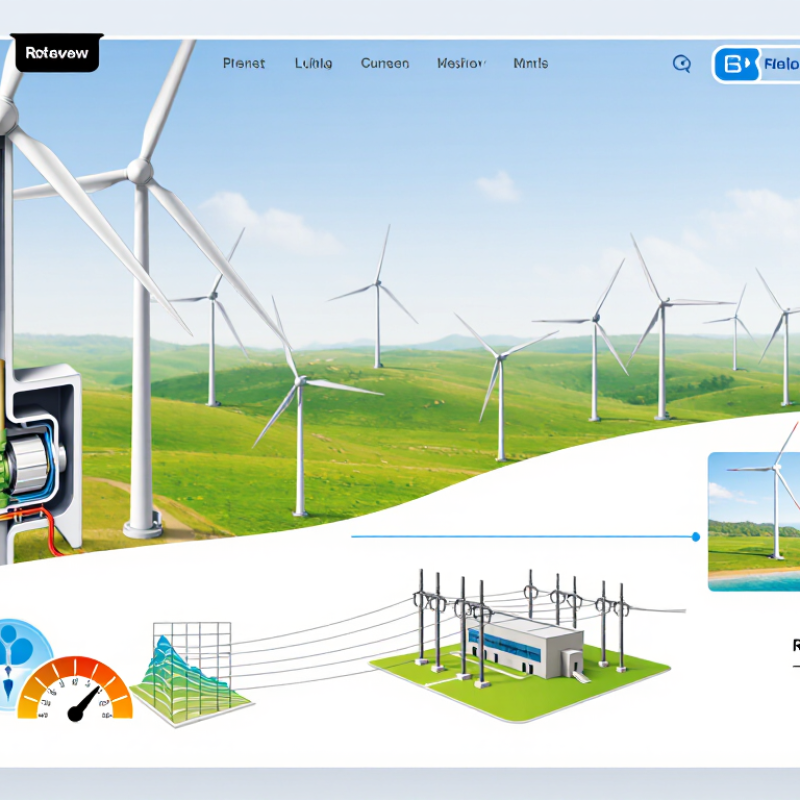
A wind turbine converts moving air into electricity. Its blades work like aircraft wings, creating lift as wind passes across curved surfaces. This lift turns the rotor, which drives a low-speed shaft, gearbox, and generator. Some modern designs use direct-drive generators instead. Inside the generator, magnets and coils create electric current. A converter then adjusts the electricity’s frequency and voltage before a transformer sends it toward the grid.

The process is clean at the operating stage, but it is not effortless. Wind speed changes hourly, so output rises and falls. The U.S. Department of Energy’s Land-Based Wind Market Report 2024 recorded an average capacity factor of about 33.5% for U.S. wind projects in 2023. In practical terms, a 3-megawatt turbine does not produce 3 megawatts continuously. It may generate more power overnight, when stronger winds move cold air across open fields.

Scale matters. IRENA reported global wind capacity exceeding 1,000 gigawatts by the end of 2023. That figure shows industrial maturity, not guaranteed returns. Buyers still need to inspect wind assessments, turbine condition, grid access, maintenance plans, and land agreements. A promising site can disappoint if turbulence, weak transmission, or difficult repairs reduce production. The technology is proven, yet every project deserves skeptical checking. Forecasts can be polished. Real wind remains unpredictable.
Why Wind Turbines Can Deliver Long-Term Financial Value

Why Are Wind Turbines a Smart Investment for Buyers?

Wind turbines can create long-term financial value through predictable electricity generation. According to IRENA’s Renewable Power Generation Costs in 2023, onshore wind reached a global weighted-average cost of about $0.033 per kilowatt-hour. This figure supports wind power’s growing competitiveness against conventional generation. After installation, fuel costs remain minimal. That can protect buyers from unstable energy prices.

The financial picture depends heavily on location. A turbine needs strong, consistent wind, suitable land, grid access, and realistic maintenance planning. The Global Wind Report 2024 recorded more than 117 gigawatts of new wind capacity installed worldwide in 2023. That growth shows strong industry confidence, but it does not guarantee every project will perform well. A spreadsheet can still lie. Permitting delays, weak wind data, or expensive repairs may reduce returns. Buyers should examine independent resource assessments, projected capacity factors, financing costs, and turbine service records.

Tips: Compare at least three production estimates. Ask how seasonal winds affect output. Review insurance, replacement-part costs, and grid connection fees. Leave room for underperformance. Conservative projections are often more useful than impressive promises. A professional feasibility study can reveal risks before a deposit becomes difficult to recover.

Key Factors Buyers Should Evaluate Before Purchasing

Why Are Wind Turbines a Smart Investment for Buyers?

Key Factors Buyers Should Evaluate Before Purchasing

A wind turbine can reduce electricity costs, but its value depends on the site. Buyers should measure average wind speed at hub height, not rely on nearby weather reports. Seasonal changes matter. A strong winter wind may hide weak summer production.

Ask for an independent energy estimate. The report should explain expected output, downtime, turbulence, and local restrictions. Check setback rules, noise limits, visual requirements, and grid connection costs before signing anything. Permits can delay installation for months.

Review the turbine’s design life and maintenance plan. Inspect access roads, tower materials, control systems, and replacement-part availability. A low purchase price may become expensive if a major component fails early. The payback estimate is never perfectly clean. Weather varies, and spreadsheets can look more certain than reality.

Compare financing terms with projected savings, insurance, taxes, and disposal costs. Ask who handles inspections and repairs after installation. A qualified installer should provide documented training, safety procedures, performance records, and clear warranty conditions. Buyers should also consider battery storage if the grid connection is limited. Sometimes, a smaller turbine fits the property better. Bigger is not always better.

Why Are Wind Turbines a Smart Investment for Buyers?

The chart compares global weighted-average levelized costs of electricity from renewable technologies in 2023. Onshore wind recorded one of the lowest average generation costs, which can support long-term investment value when the site has strong wind resources and reliable grid access.

Buyers should also evaluate wind-resource quality, turbine availability, land and permitting requirements, transmission capacity, financing terms, maintenance costs, expected operating life, and local electricity prices. Source: International Renewable Energy Agency (IRENA), Renewable Power Generation Costs in 2023.

Installation, Maintenance, and Operating Cost Considerations

Why Are Wind Turbines a Smart Investment for Buyers?

Installation costs depend on wind speed, tower height, soil conditions, and grid connection requirements. A professional site assessment should measure wind patterns across different seasons, not just during a windy week. Local permits, transport access, foundation work, and electrical upgrades can also change the final price. Small errors matter. A cheaper installation may create expensive repairs later if the foundation or cabling is poorly designed.

Maintenance is usually manageable, but it should never be treated as optional. Technicians may inspect blades, brakes, bearings, bolts, and electrical systems at scheduled intervals. Moisture, salt air, ice, and dust can accelerate wear. Keeping service records helps identify repeated faults before they stop production. However, maintenance estimates are not perfect. Unexpected component replacement can affect the payback period, especially for turbines in harsh environments.

Operating costs include monitoring, insurance, inspections, land use, and electricity purchases during low-wind periods. A realistic financial assessment should compare expected energy production with local utility rates and seasonal demand. Buyers should request documented performance assumptions and clear warranty terms from qualified installers. A turbine can reduce long-term energy expenses, but it is not automatically profitable at every site. Careful measurements and honest budgeting make the investment more reliable.

How Wind Turbines Support Energy Independence and Sustainability

Why Are Wind Turbines a Smart Investment for Buyers?

Wind turbines can strengthen energy independence by producing electricity close to where it is used. A suitable turbine may reduce exposure to changing utility prices and supply disruptions. It can power farms, factories, remote facilities, and community microgrids. On a clear, windy morning, rotating blades convert steady air movement into usable electricity. The process creates no fuel smoke during operation. However, output changes with weather, so buyers need realistic production estimates.

A professional site assessment should examine wind speed, turbulence, terrain, grid access, and local permitting rules. Even nearby buildings and trees can reduce performance. Independent engineers can review energy models, maintenance schedules, noise limits, and equipment warranties. These checks support informed decisions rather than attractive but weak sales projections. Buyers should also calculate foundation work, transport, insurance, repairs, and end-of-life removal. The purchase price is only one part of ownership.

The financial picture is not always tidy. A turbine may need years to recover its cost, especially where winds are inconsistent. Storage or backup power can improve reliability, but it adds expense and complexity. Some projects also face community concerns about landscape changes or sound. Listening early can prevent costly conflict. Careful monitoring after installation helps compare actual generation with forecasts. Small gaps matter. They may reveal poor maintenance, changing wind conditions, or assumptions that need revisiting.

Why Are Wind Turbines a Smart Investment for Buyers? – How Wind Turbines Support Energy Independence and Sustainability
Investment and Sustainability Dimension Typical Wind-Turbine Result Why It Matters to Buyers Key Conditions and Limitations
Operational greenhouse-gas emissions Approximately 0 g CO₂e/kWh during electricity generation Electricity is produced without combustion, helping reduce exposure to fossil-fuel emissions and supporting long-term decarbonization goals. Manufacturing, transport, installation, maintenance, and end-of-life impacts still exist and are included in lifecycle assessments.
Lifecycle carbon intensity About 11 g CO₂e/kWh median for wind power Wind power has a substantially lower lifecycle carbon footprint than coal- or gas-fired electricity in widely used lifecycle comparisons. The exact result varies with turbine design, site conditions, construction materials, grid connection, and expected operating life.
Typical capacity factor Onshore: approximately 30–45%
Offshore: approximately 40–55%
A higher capacity factor means more annual electricity from the same installed capacity and can improve the utilization of the investment. Capacity factor is a long-term average, not constant output. Wind speed, turbine height, terrain, and grid availability are decisive.
Energy payback period Generally measured in months, often around 5–8 months The turbine can typically generate the amount of energy used in its production, construction, and installation relatively early in its service life. Payback estimates differ by location, turbine type, wind resource, materials, transport distance, and project scale.
Expected service life Approximately 20–30 years A long operating period allows buyers to spread initial capital costs across many years of electricity production. Major components may require refurbishment or replacement, and actual life depends on maintenance, weather exposure, and operating conditions.
Fuel requirement No fuel purchases required for wind energy Wind has no fuel-price volatility, which can improve budget predictability and reduce dependence on imported energy commodities. Projects still have costs for operations, maintenance, insurance, land access, grid services, and financing.
Water consumption during operation Near-zero direct water consumption Wind generation does not require cooling water during normal operation, making it suitable for regions facing water stress. Water may be used indirectly during manufacturing, construction, cleaning, and component processing.
Energy independence contribution Domestic electricity from a locally available renewable resource Local generation can diversify the electricity mix, reduce reliance on imported fuels, and strengthen resilience against fuel-supply disruptions. Energy independence is strongest when paired with transmission upgrades, demand management, storage, or other flexible generation.
Revenue and cost visibility Long-term output can be modeled using wind-resource data and power-purchase or tariff structures Predictable operating costs and renewable-energy contracts can support long-term financial planning. Returns depend on the site’s wind regime, electricity prices, curtailment, financing, permits, taxation, and interconnection costs.
Land-use compatibility Most of the surrounding land can often remain available for farming, grazing, or conservation-compatible uses Wind projects can provide electricity while allowing continued use of much of the land between turbines. Local zoning, visual impact, noise limits, wildlife protection, aviation rules, and community consultation must be addressed.
End-of-life and circularity potential Steel, copper, aluminum, and many other components are recyclable; blade recycling is more technically challenging Responsible decommissioning and material recovery can reduce waste and improve the overall sustainability profile. Recycling routes and costs vary by component, local infrastructure, and applicable regulations.
Reference basis: Values are representative ranges and lifecycle estimates compiled from publicly available technical assessments, including the IPCC Sixth Assessment Report, National Renewable Energy Laboratory lifecycle-assessment research, and International Energy Agency renewable-energy analysis. Actual performance and financial returns depend on project-specific conditions.